Today we took the train to Billund, Denmark, the home of THE Legoland. It requires a bit of finagling to get to from Copenhagen – 2 or 3 train connections plus a short stint on a bus. Amir thankfully is a great navigator on all our trips. He can look at a route ahead of time (when internet is accessible) and navigate across an entire country from just Google Maps screenshots.
We dedicated today to travel with the goal of getting to Billund with time to check in to our hotel, grab some dinner at MINI CHEF, and unwind for a big day tomorrow.
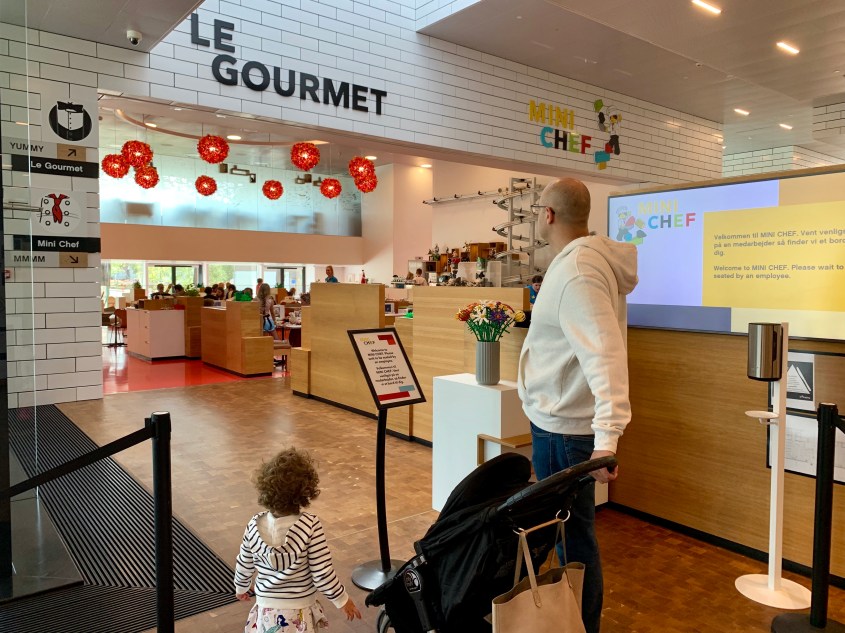
LEGO House, Billund, DenmarkHostess Stand at MINI CHEF
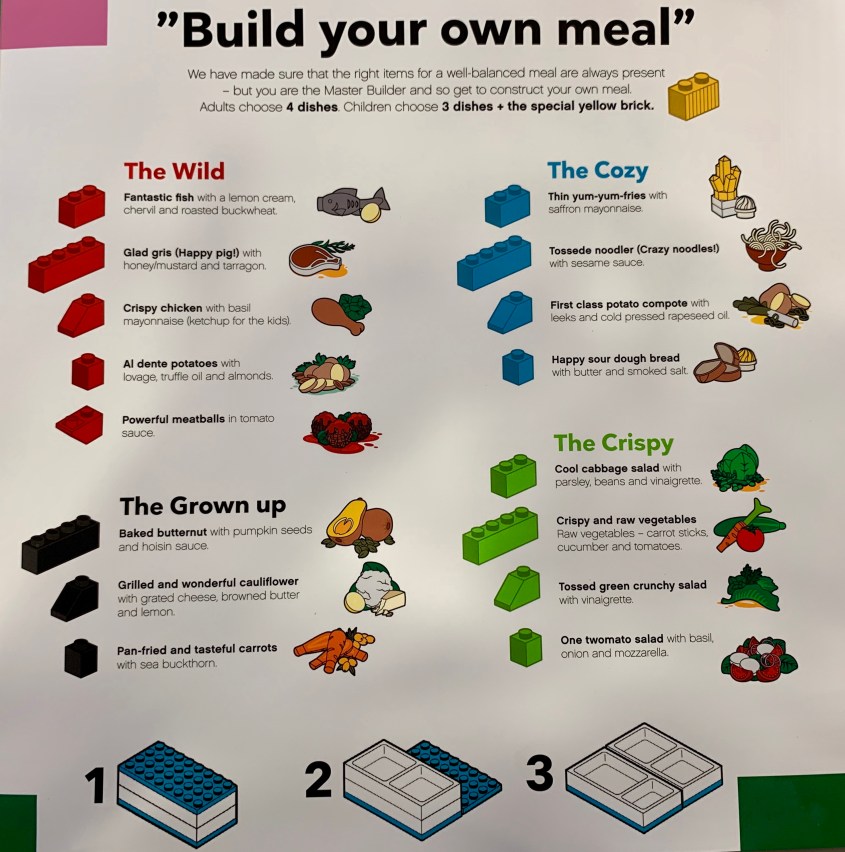
Jeff told us about MINI CHEF last night. Here’s how it works:
1. Pick one block of each color to build your meal. Kids get an extra special surprise yellow block.
The “menu” at MINI CHEFThe meal options
2. Stack your blocks in the tray and load it into the computer to create your meal.
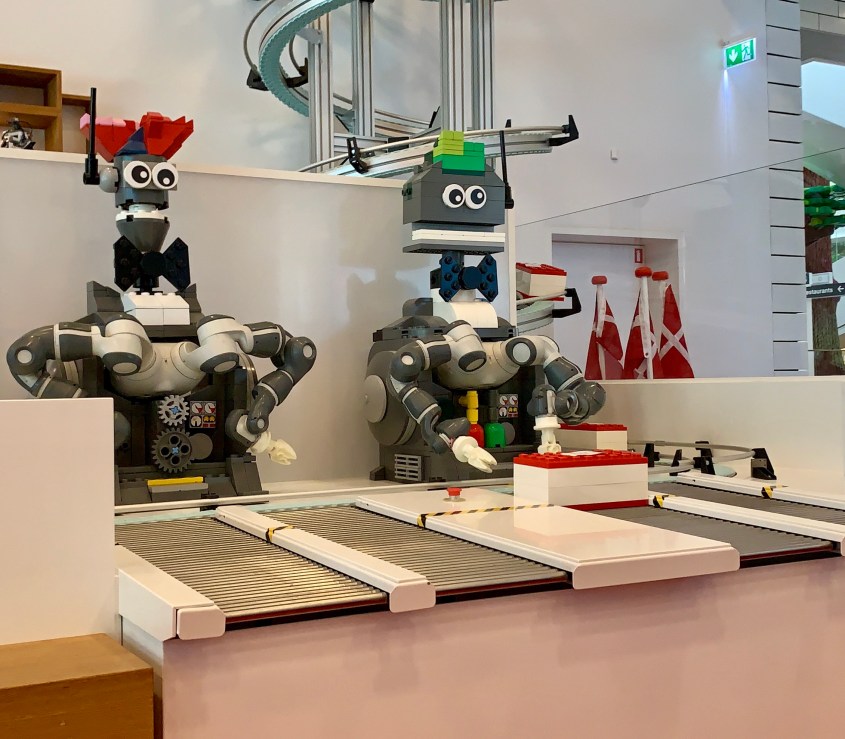
3. The computer detects your creation and little LEGO chefs build your meal.
4. A few minutes later, it appears on a conveyor belt where two friendly robots then deliver it to you.
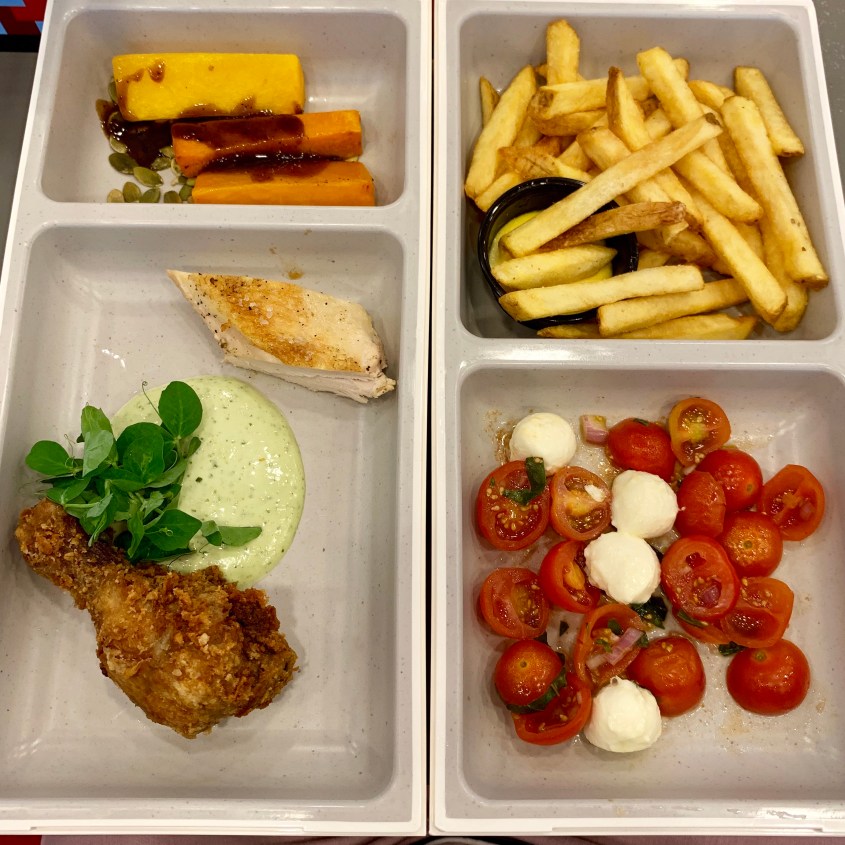
5. Bring your meal back to your table and enjoy!
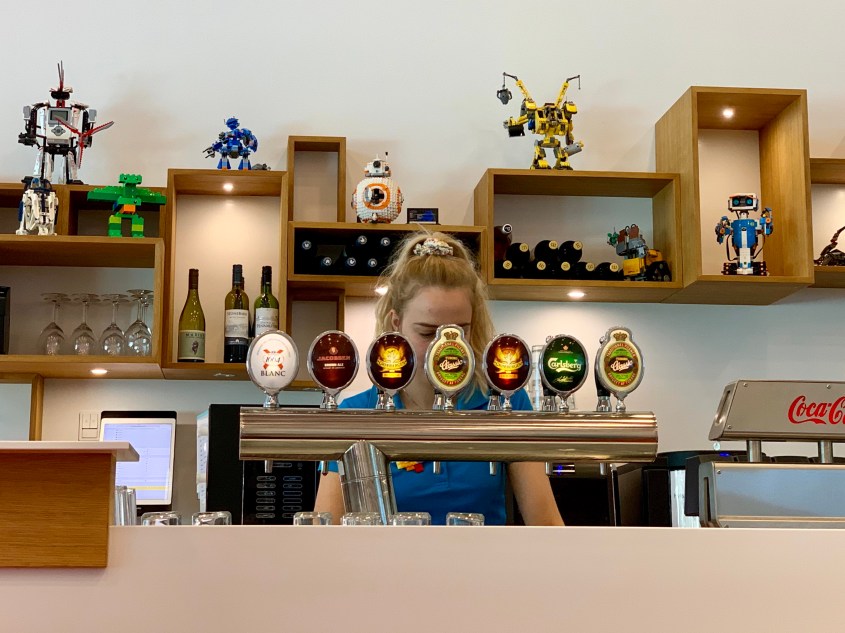
Don’t fret – they have adult beverages as well.
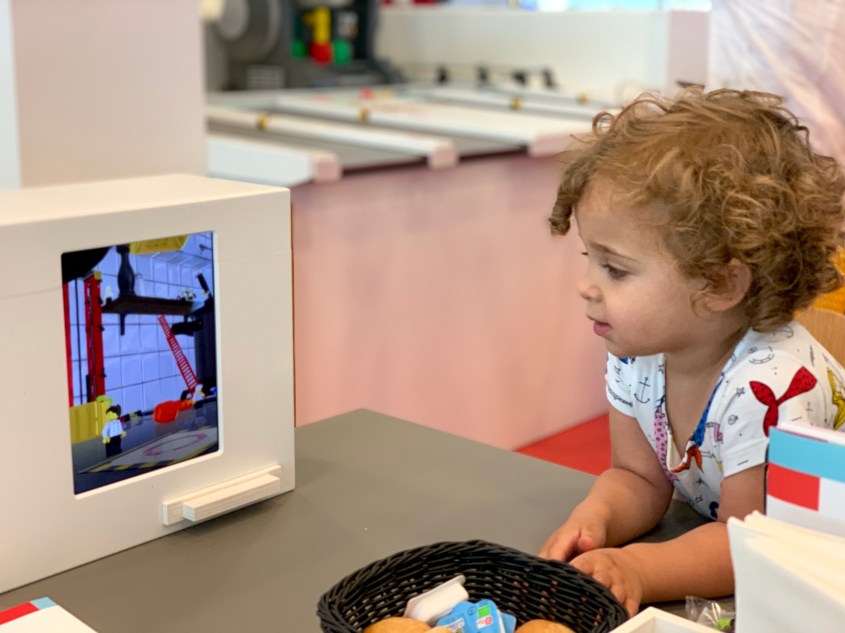
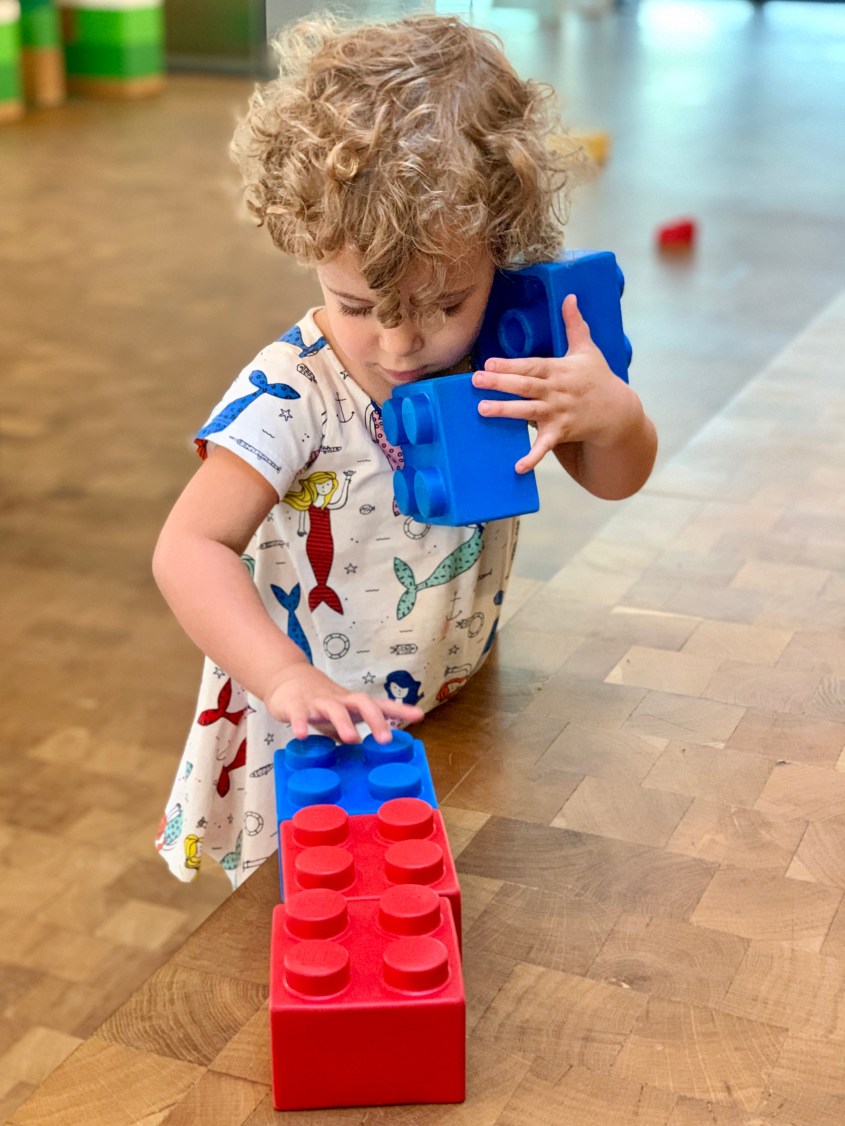
The whole dining area has activities for the kids within reach. Books, little LEGOs, big LEGOs, there’s lots to keep the kids busy while dinner is prepared.
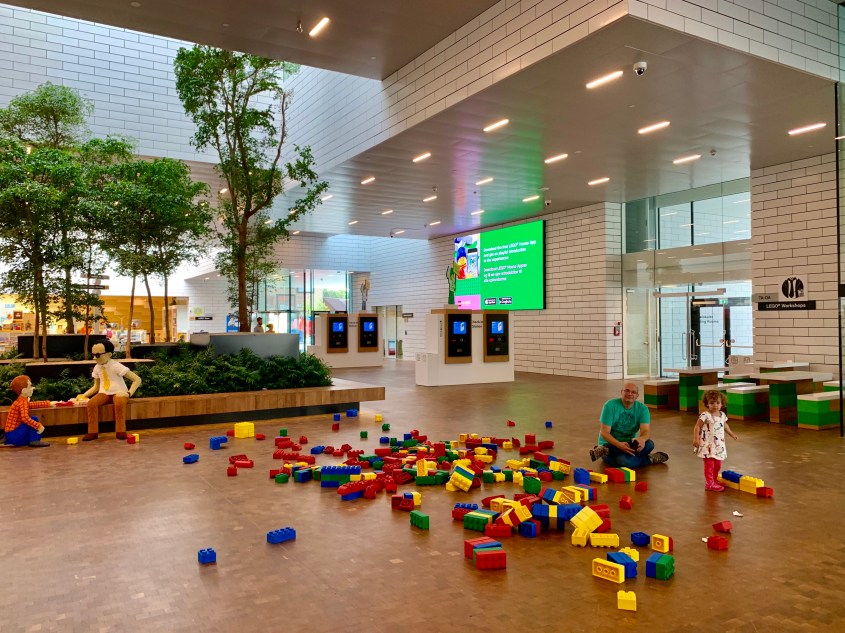
MINI CHEF is located inside LEGO House, which features a coffee shop, LEGO store and six zones of fun inside the main portion of LEGO House. You don’t need to buy a ticket to LEGO House to be able to eat at MINI CHEF or the cafe.
Making a mess is encouraged
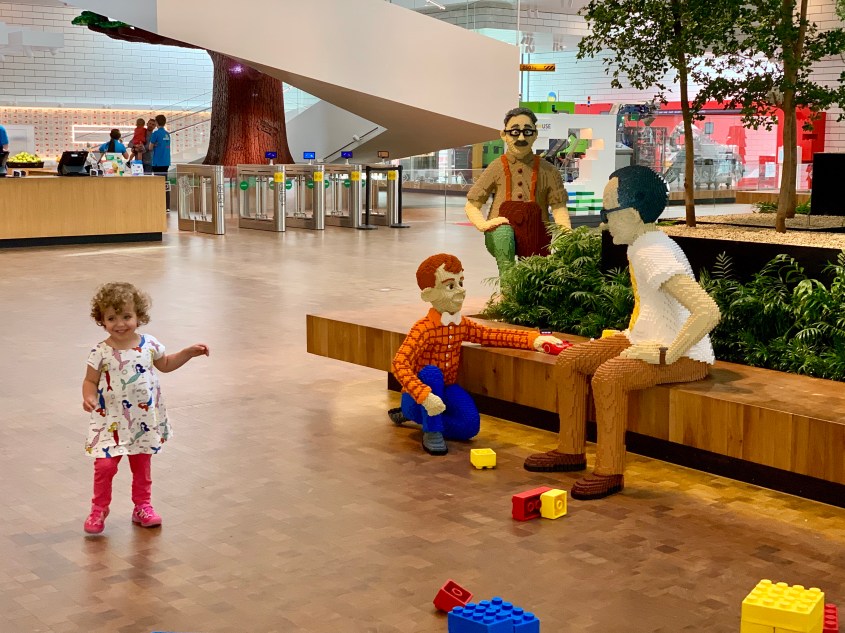
LEGO friends in the lobby
There’s a small LEGO store located inside LEGO House. All the favorites are available there including StarWars, LEGO Movie, Harry Potter and more.
Tomorrow morning we’ll walk a short distance from our hotel, Hotel Svanen, to Legoland to spend the day.
We went to bed last night at 9pm exhausted and with #1Toddler just having napped half the day. Needless to say we weren’t expecting much, if any, sleep.
We awoke at 11am, (yup, you read that right) despite the sun peering into our room since 4am. 14 hours of blissful sleep on hotel sheets. Our toddler parent dreams come true.
As mentioned yesterday, we packed a tad too lightly for the cool weather, so the goal today was shopping, then hot dogs and if energy – culture and World Cup. We accomplished all of the above with a little help from H&M, a friendly street vendor and Jeff & Nadja, our hosts.
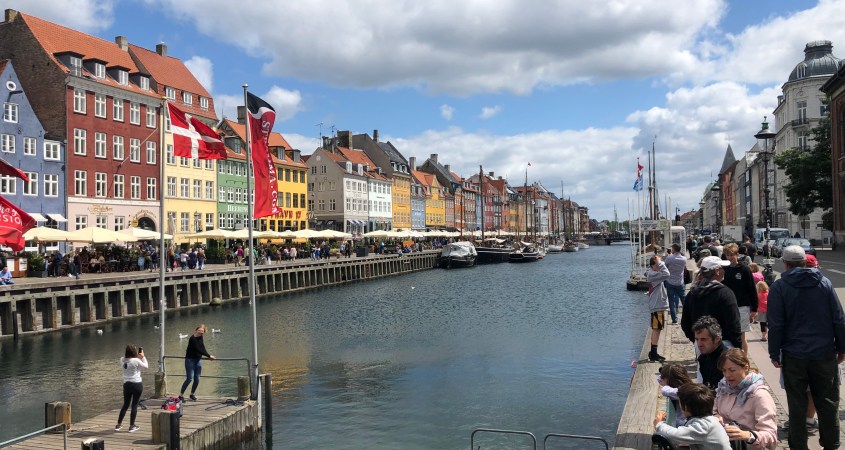
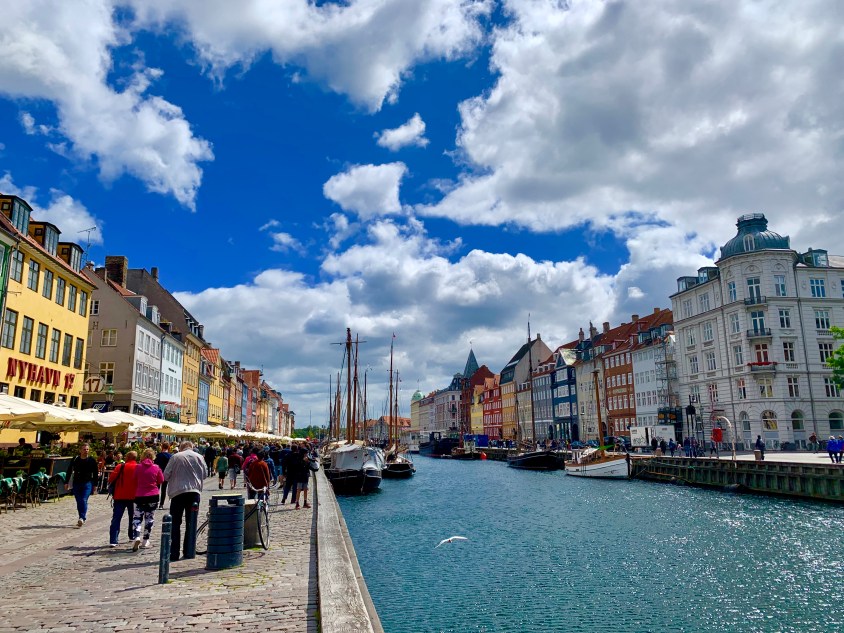
On our way to the shopping district, we passed through Nyhavn, a pedestrian friendly street lined with cafes, musicians and people pausing to converse and enjoy the water. You can take a canal tour if you prefer the view from the water.
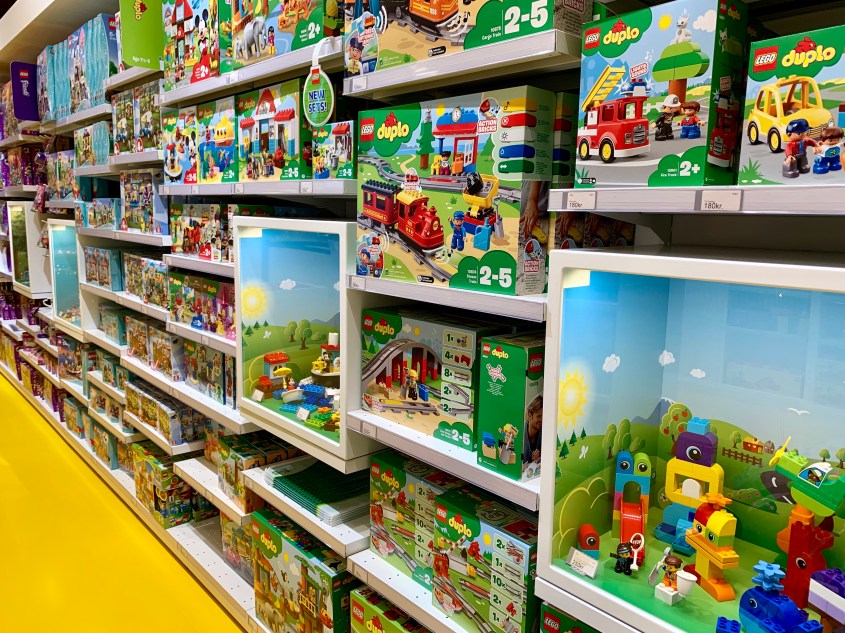
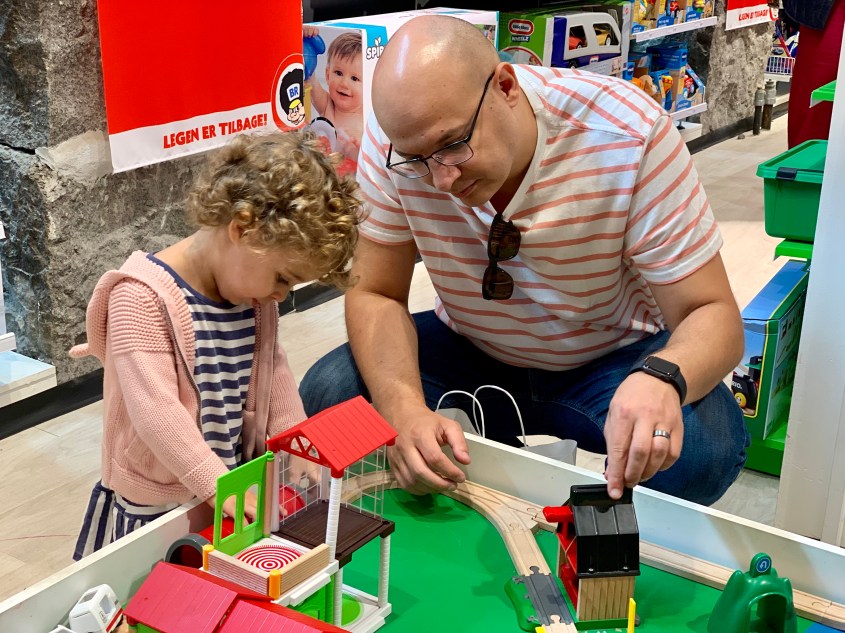
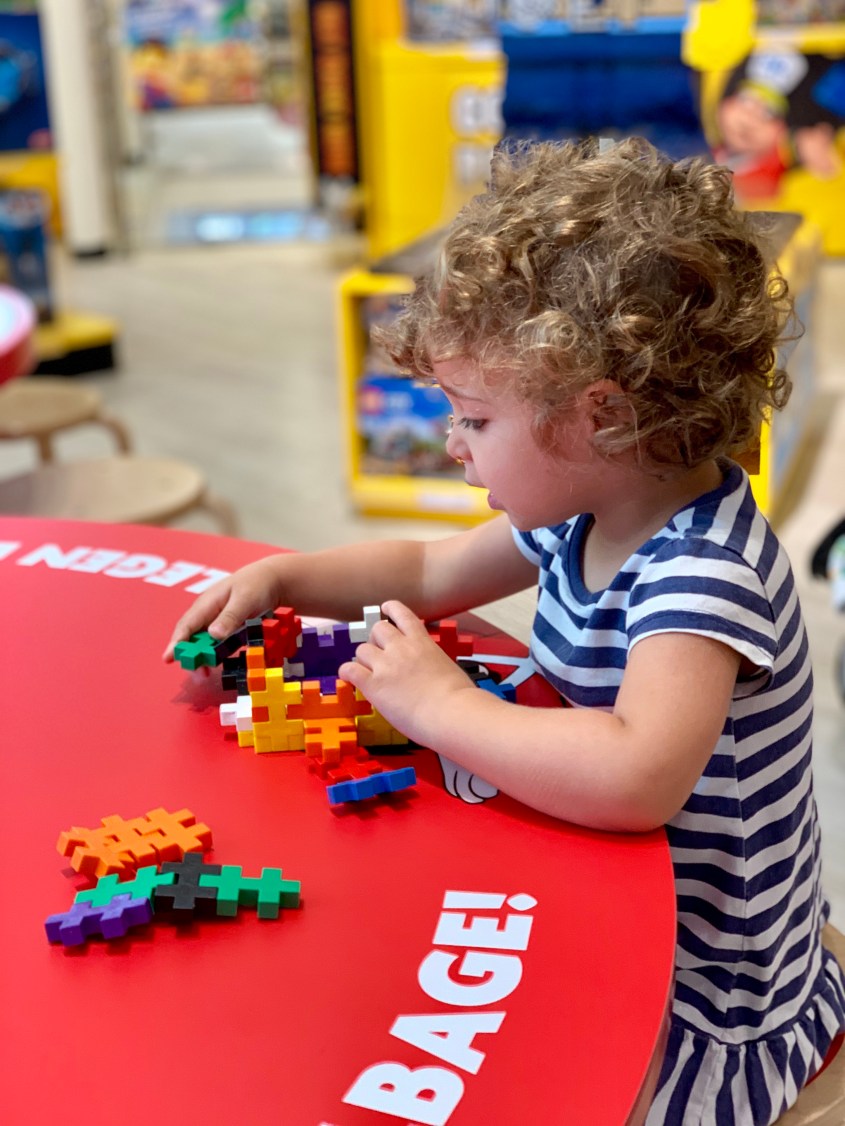
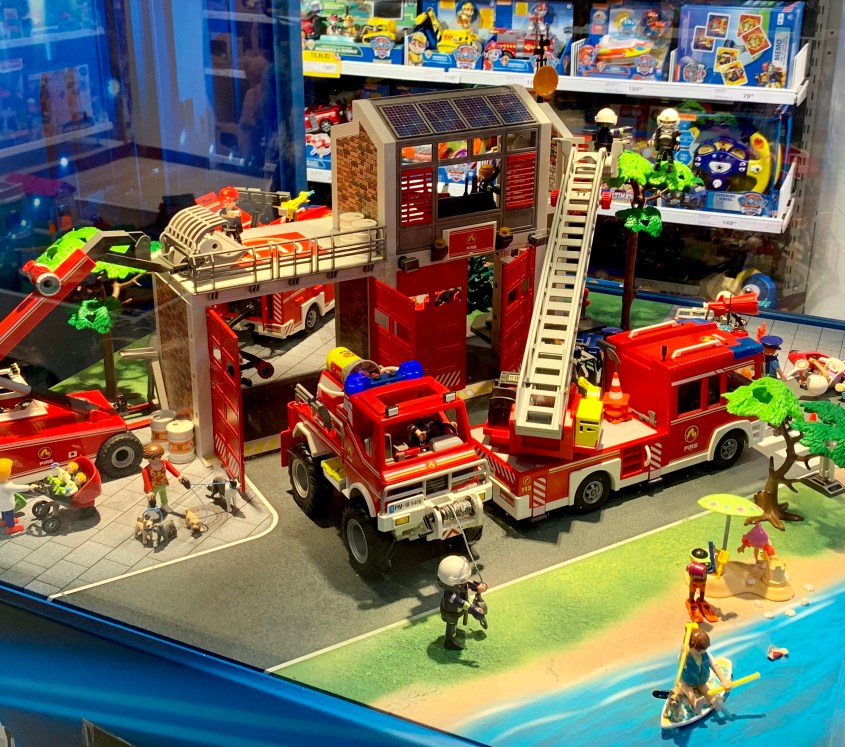
You can never go wrong with a train setBuilding tableA pretty serious “play” fire station
We always look out for toy stores along our walk. They provide a needed break from the bustle of pedestrians, cars and bikes (omg the bikes) of the city scene.
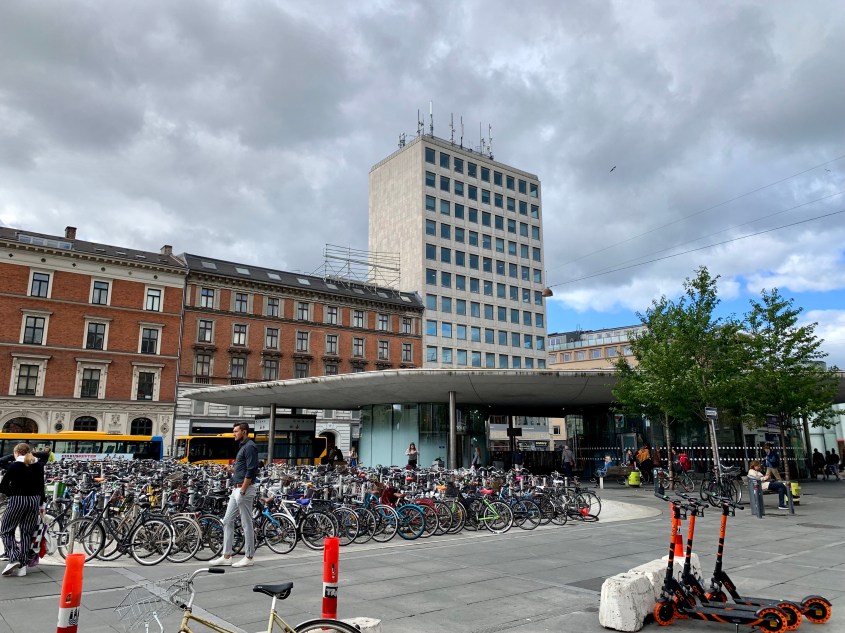
Biking is the preferred mode of transportation“Park n Ride” equivalent outside the metro station. These are commuter bikes, not rentals.
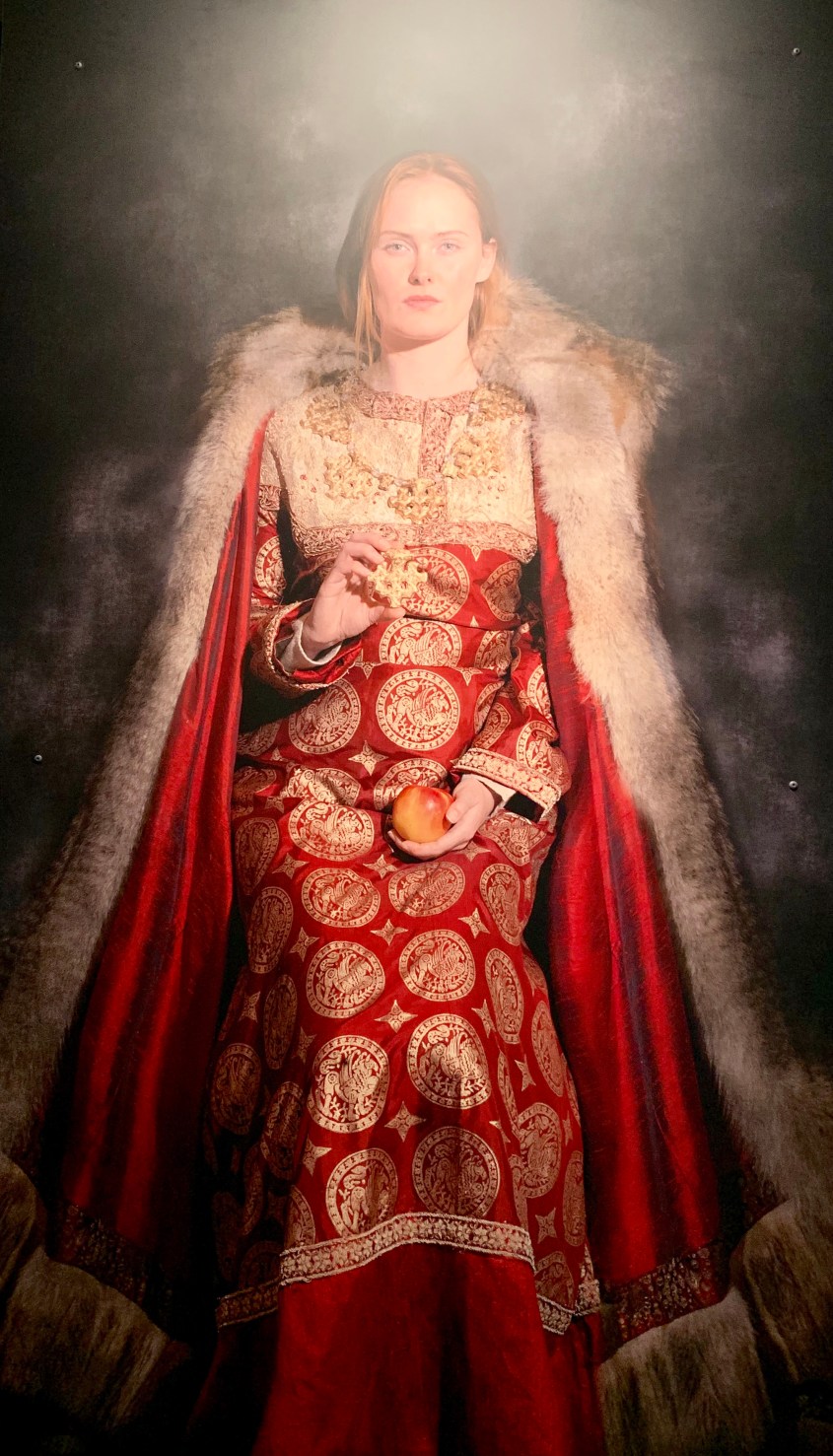
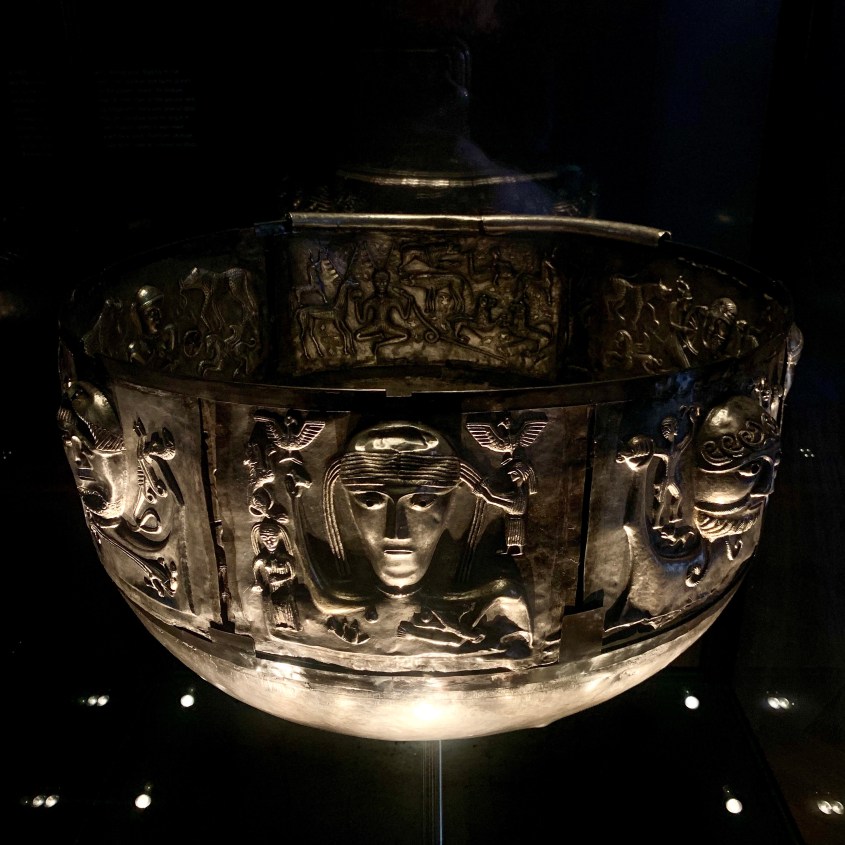
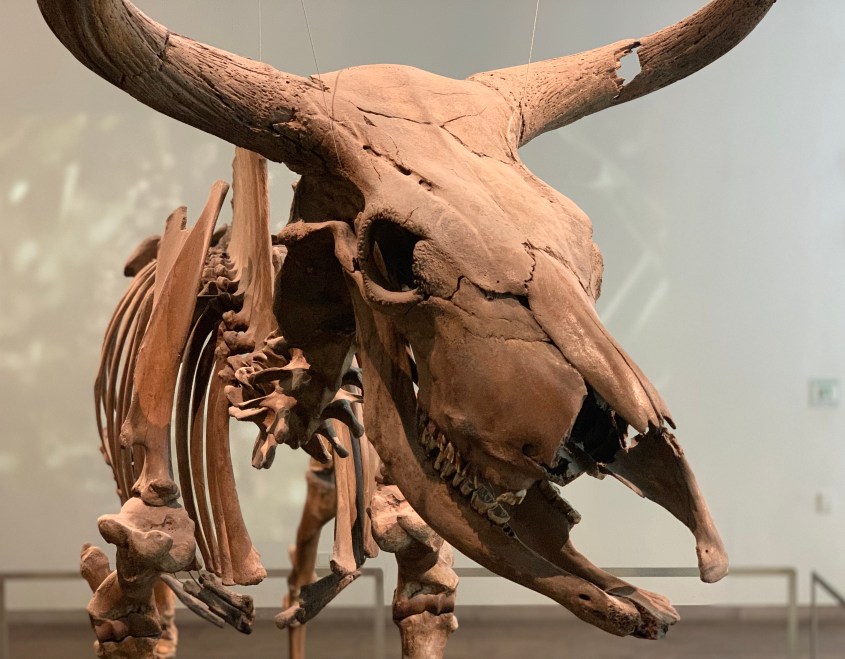
We were lucky enough to catch up with Jeff & Nadja after a quick stop at the National Museum. It houses a Children’s Museum within as well as a fantastic exhibit on the Mongolian Empire. #1Toddler’s take on the museum: “Too much scary.” (Lots of skeletons and masks on display).
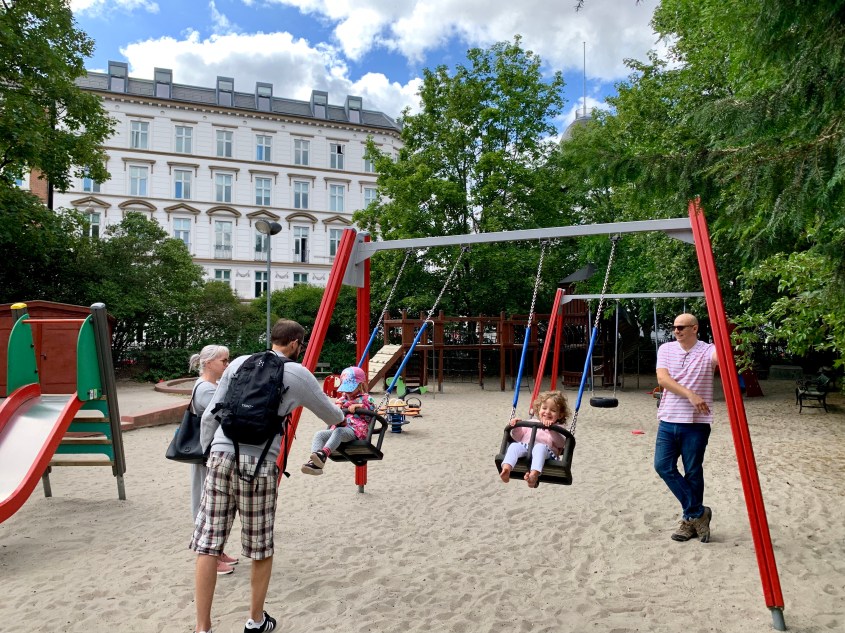
Unfortunately we got there just an hour before closing and didn’t get to see all it had to offer. It’s conveniently located right next to Ørsteds Park which has multiple swings, slides and a sandbox perfect for antsy toddlers.
Ørsteds Park
After H&M, we enjoyed our obligatory street food adventure with a local hotdog.
#1Toddler approved.
I ordered mine with mustard, crunchy onions and special sauce.
We met Jeff & Nadja at a local food market called Torvehallerne. We ordered duck sandwiches x 4 paired with local, unfiltered brown ale drafts.
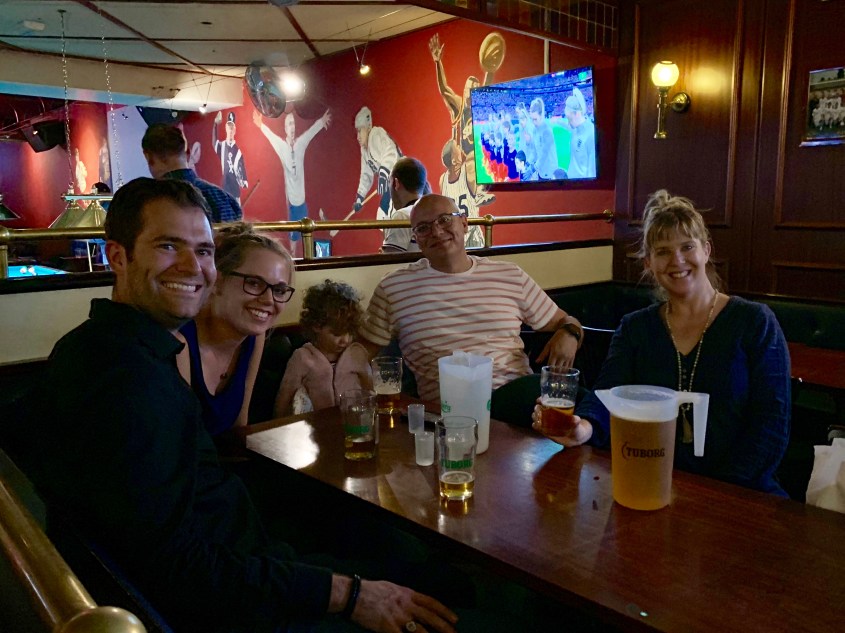
After dinner we walked to a pub that Jeff was fairly sure would be airing the Women’s World Cup match. USA vs England is a house divided for us and a match not to be missed under any circumstances.
Two pitchers of Carlsberg, one order of very bad nachos and a victory for the good old USA, and we called it a night. Tomorrow we head to THE Legoland.
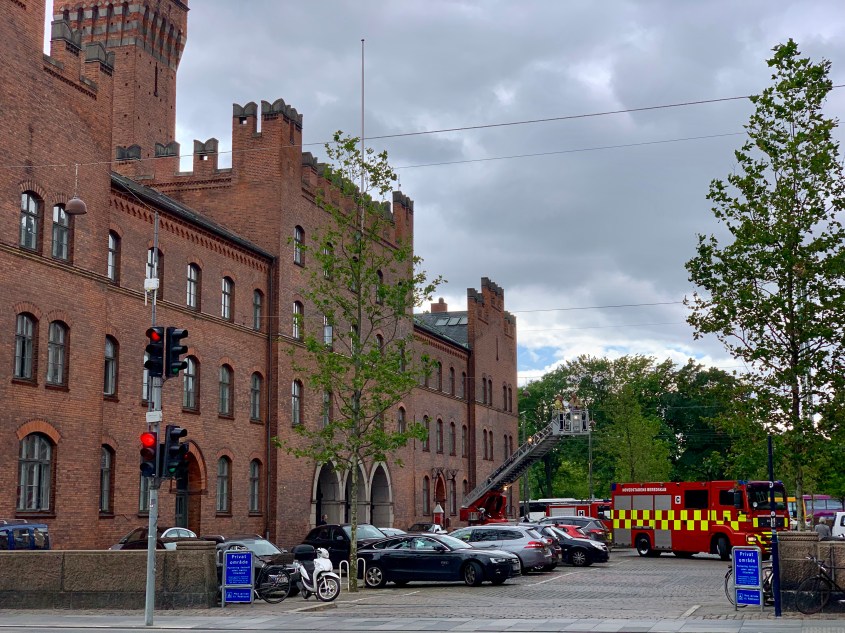
Backing the engine into the fire station after a call
Phew. We made it. And I say that not because #1Toddler was bad or misbehaving in any way, but because forgot how those Transatlantic flights afford you roughly 2 hours of sleep and packing for 10 days (including fancy attire for a wedding) yields more luggage than our usual.
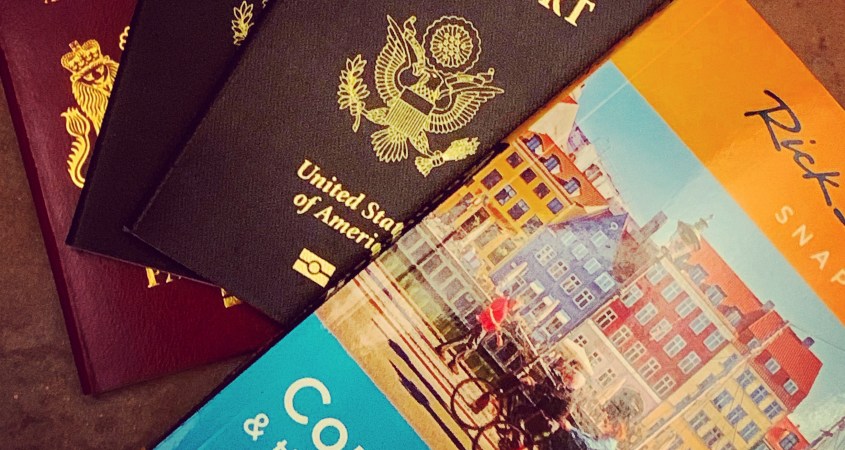
We’ve travelled to Copenhagen to celebrate the wedding of Amir’s roommate from undergrad, Jeff, also a groomsman in our wedding. Born of Danish blood but in the United States, Jeff moved to Denmark just a few years after finishing college. He met Najda here and never looked back. Having been here In Copenhagen less than 24 hours, I can already see why.
#1Toddler has lots of “my stuffs” to keep occupied
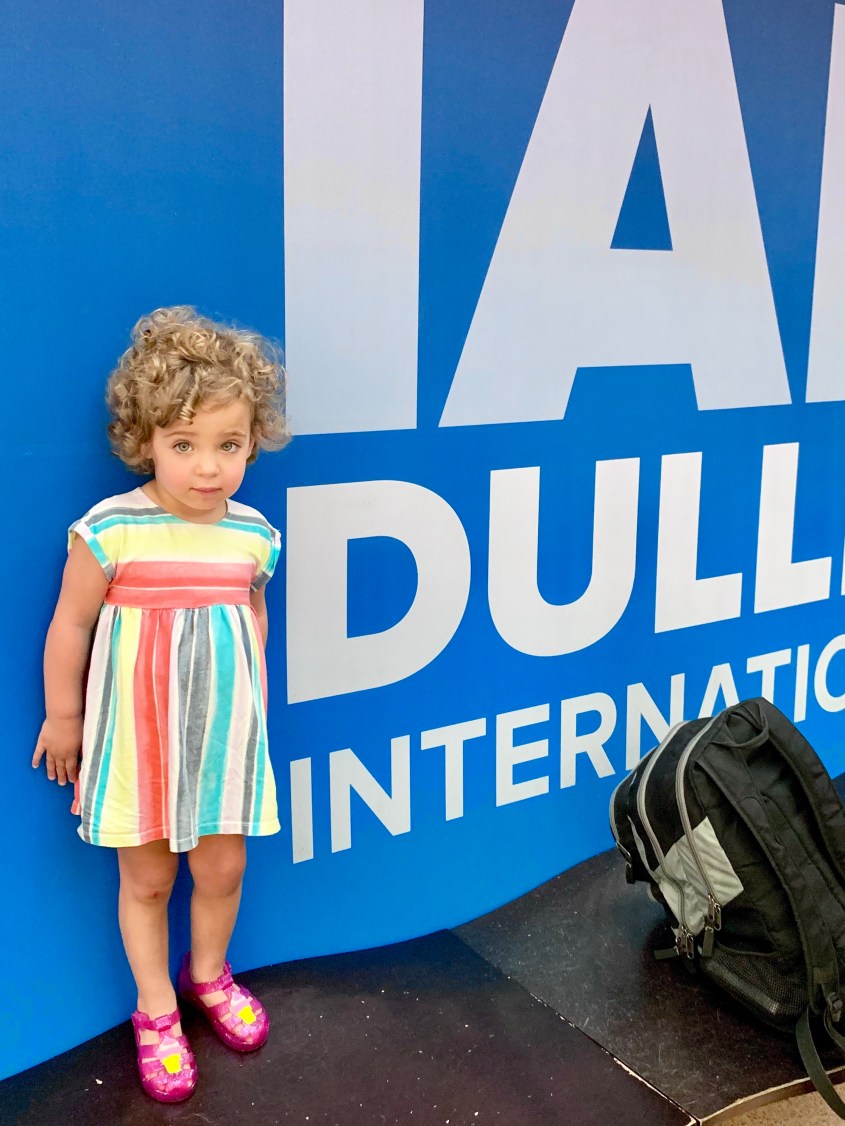
The drive to Dulles was thankfully uneventful, as was the flight from Dulles to Heathrow. No mid-flight cardiac arrests this time. As we entered that same elevator where we met the man who would later die and the woman who would become his widow, I paused and wondered how she has been coping in the 6 months since our paths crossed.
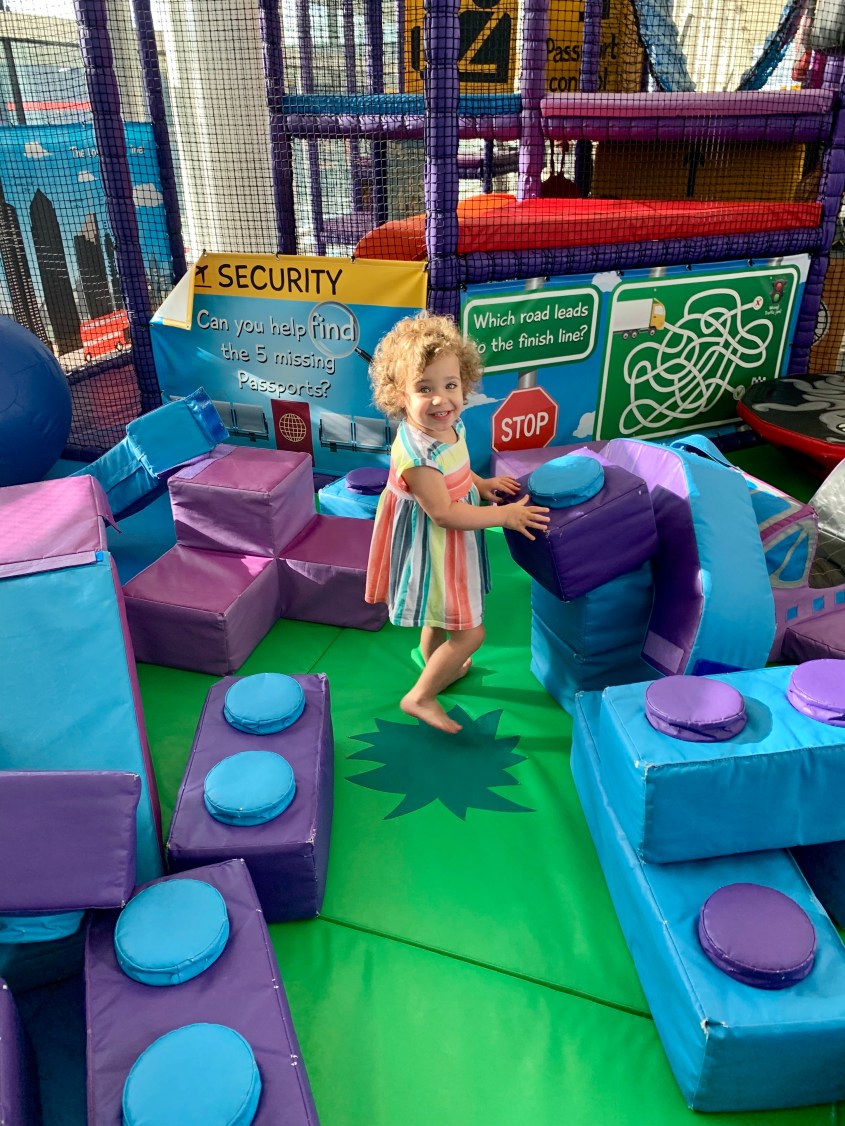
We love connecting in Heathrow ever since discovering their “soft play” areas in multiple terminals. The one thing a toddler really needs after a 6.5 hour transatlantic flight is to run around and let loose. Ask any airport staff member to direct you if you can’t find your way.
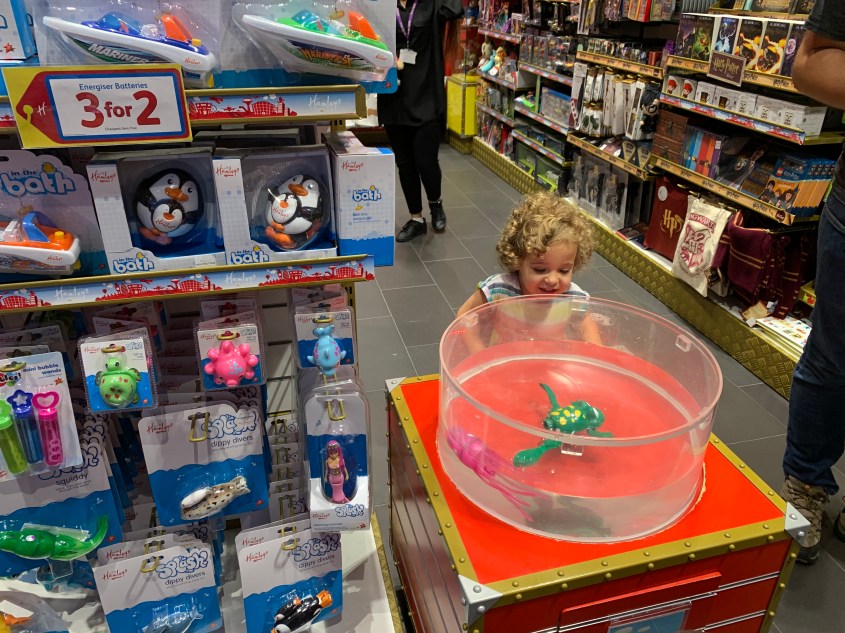
Soft Play area, Terminal 2, Gate A12Making Friends at Hamleys Toy Store
The flight from Heathrow to Copenhagen was a tad more taxing for all. Someone cried for the last hour of the flight. Not naming names.
As we’d boarded the flight at Dulles earlier, #1Toddler insightfully asked us, “ears hurt again?” – clearly remembering her last transatlantic flight for our trip to Greece. We both marveled at how she could maintain memories and make connections between similar events 6 months apart. She’s only two, and I can barely remember yesterday.
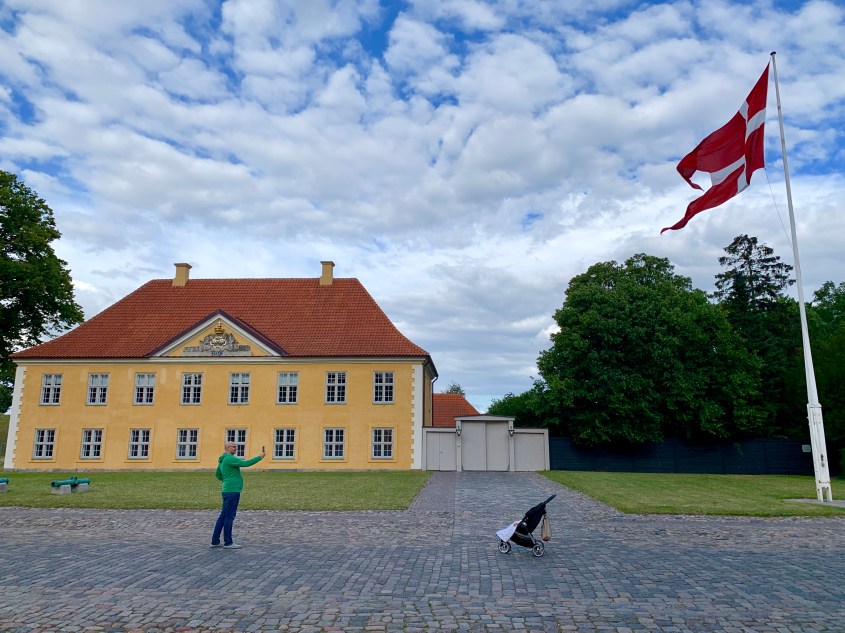
Exploring Kastellet Fortress
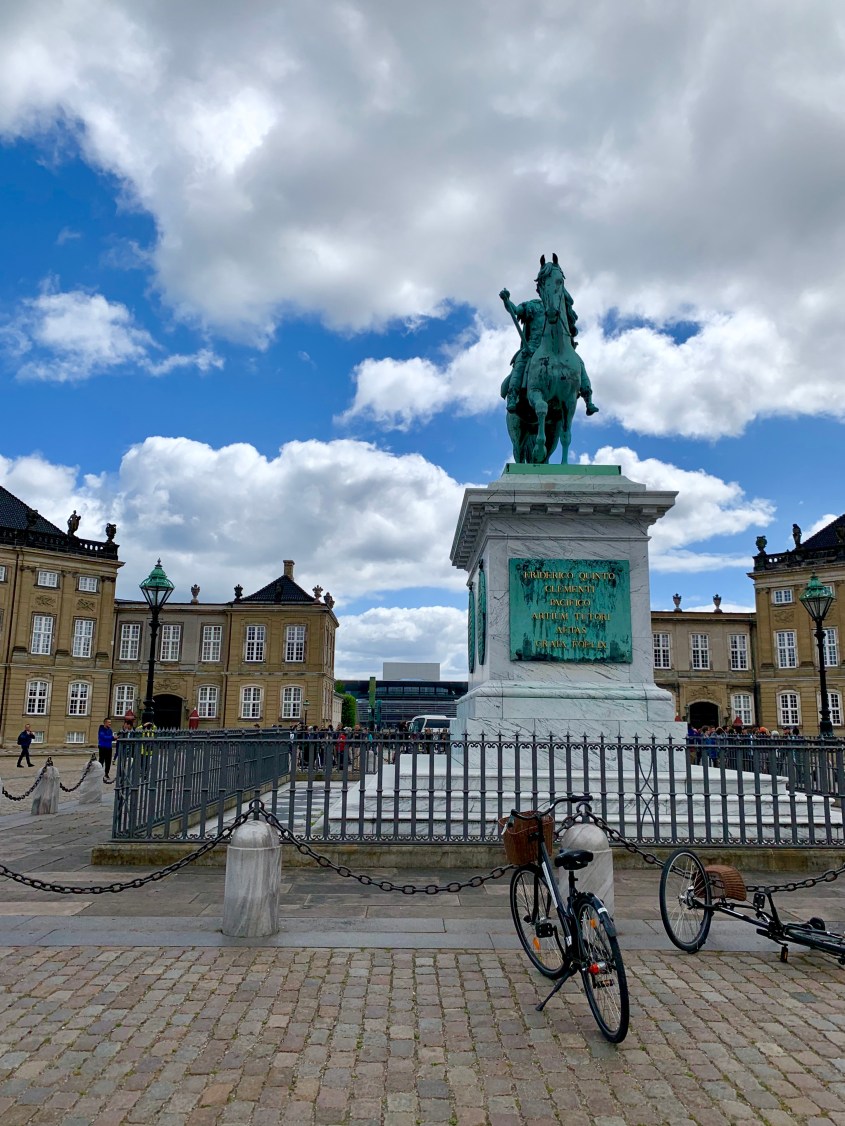
As we like to do whenever arriving to a new city, we dropped our bags at our hotel and went for a casual walk to explore. We walked the “moats” of Kastellet, a 17th century fortress. I use quotes because the water surrounding this fortress used to serve a defensive purpose, but now filled with lily pads and swans, it’s what draws visitors closer.
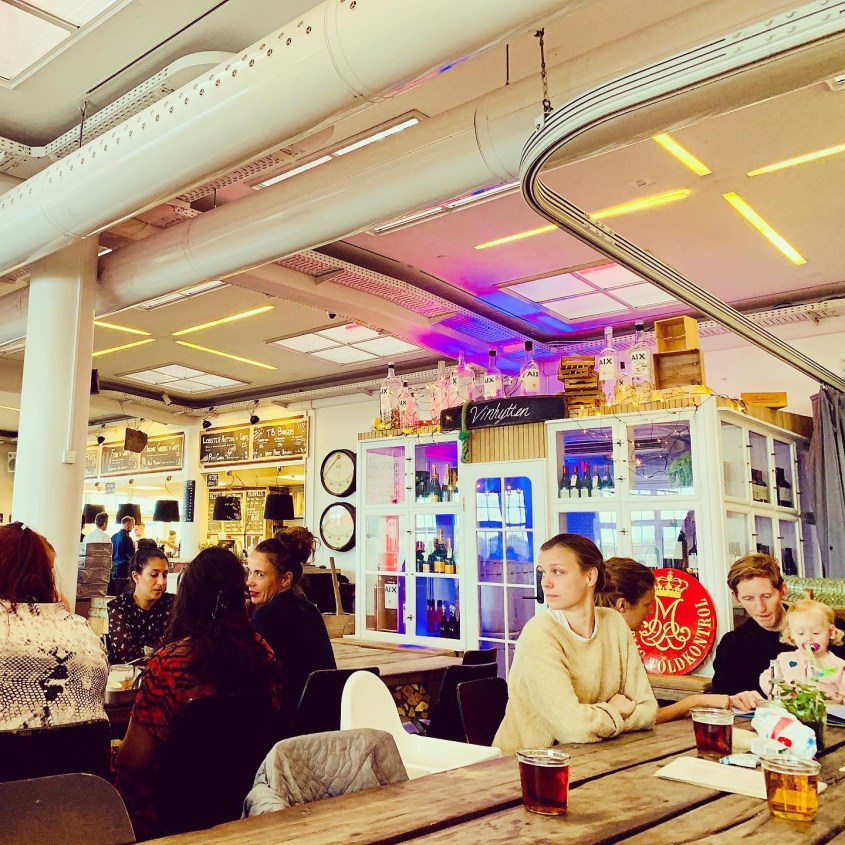
Amir has scouted Google Maps for a casual place to stop and grab dinner. Wherever we go, we are always on the hunt for the best casual seafood restaurant with tons of atmosphere. Near home, it’s Merrior in Topping, VA. In Copenhagen it’s Toldbogen. Complete with outdoor space by the water and an inviting interior that mixes salt water fishing with industrial and techno, there’s tons of visual interest. Amir ordered a meat sampler and I the fish n chips. Both came served on a bed of perfectly salted string French fries and with freshly plucked raw veggies draping over top. Simple preparation of delicious ingredients allowed all the natural flavors to speak for themselves.
Fish n chips, ToldbogenVibrant atmosphere indoors and outLocally brewed beers are served in these large, thick round glasses
Tomorrow we have some utilitarian plans. I realized I forgot to pack my Rothys last minute as I’d left them out to dry (hint: they are machine washable flats). So tomorrow I’m on the hunt for walking flats. Oh darn.
I also packed a bit too lightly – we left 95 degree weather in Virginia and arrived to a crisp, lovely 65 degrees here. Daytime will be fine, but the evenings command light layers. To the shopping district I go!
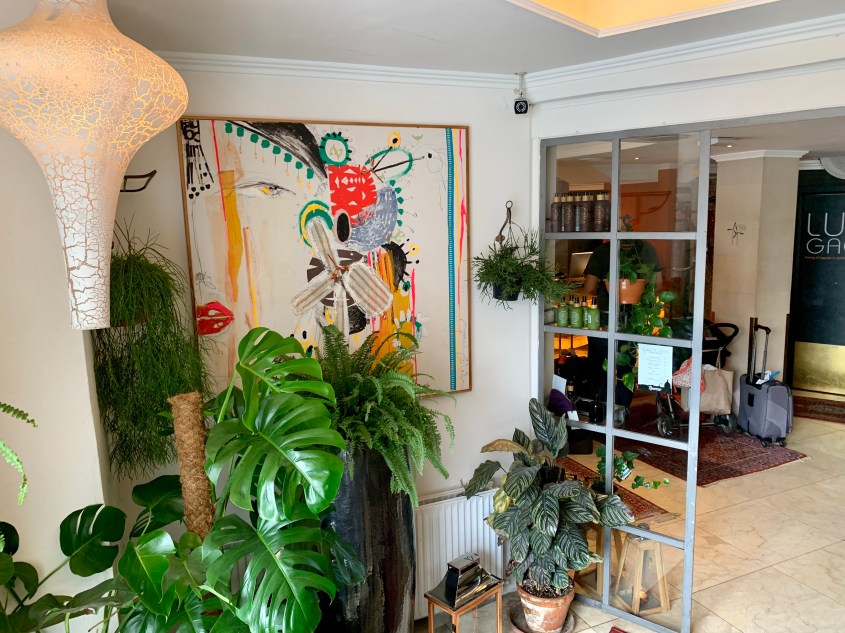
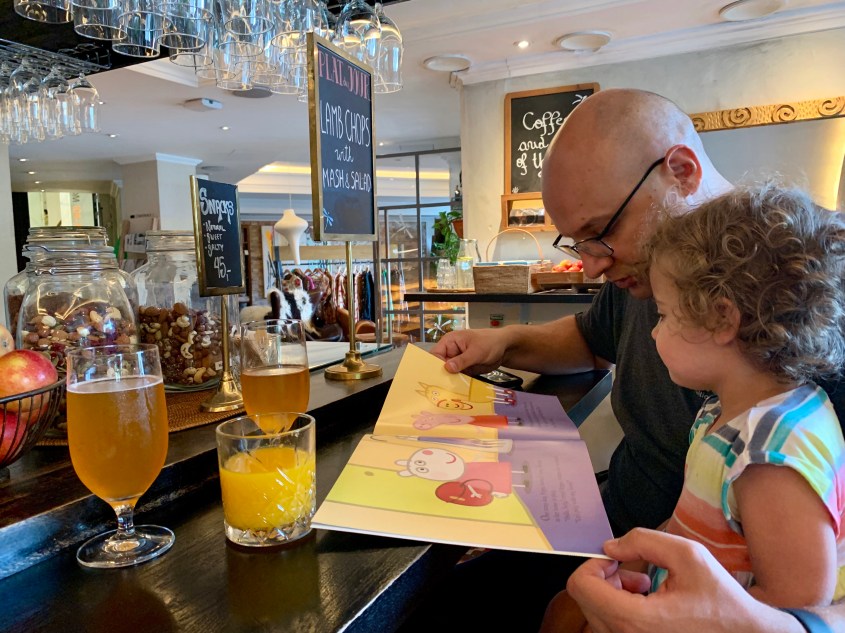
Entryway of Babette HotelPassing the 20 minutes before check-in with drinks at the bar
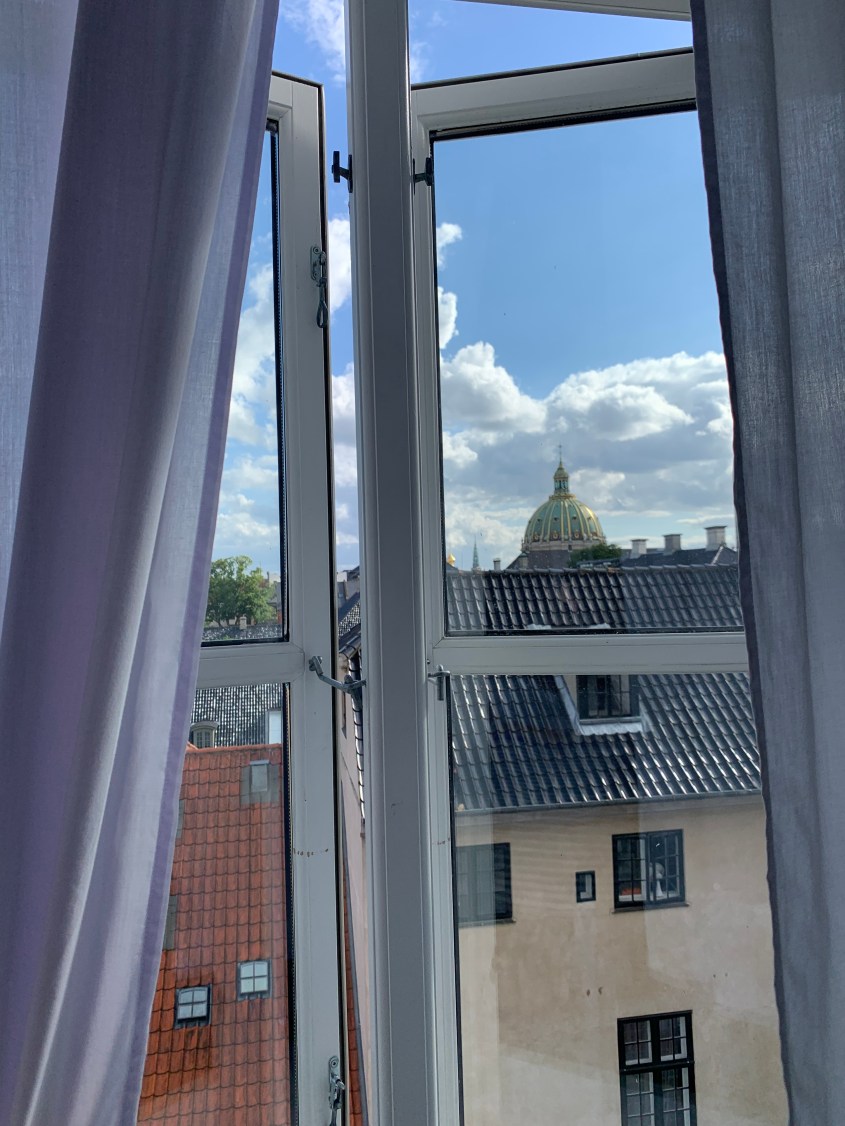
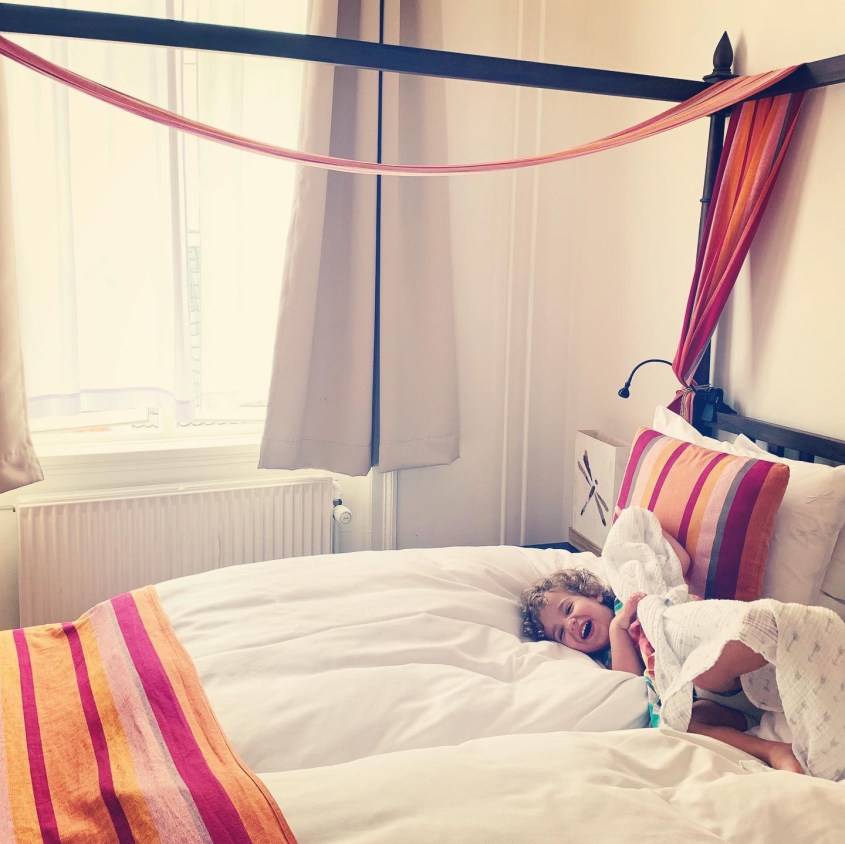
Our small balcony with Firenze-like viewsHotel sheets are the best!
Unfortunately the forecast our last day in Crete called for severe thunderstorms. Given the treacherous nature of the roads even when dry and sunny, we opted not to stray too far from home.
Roadside church with resident goats
We drove to Kissamos, a small town on the coast just north of where we are staying. There’s an Archeological Museum, seaside walk and plenty of restaurants. Unfortunately for us, while the sign outside said it should be open, the caretaker for the Archeological Museum decided to take the day off, and the museum was closed.
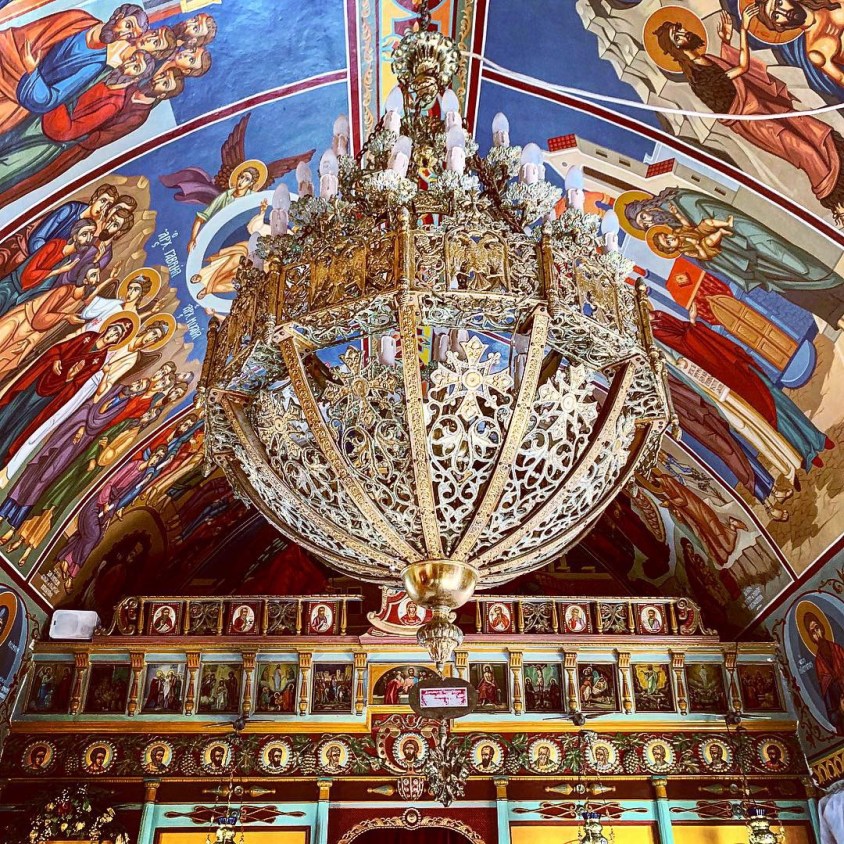
Ornate ceilings inside the small church at Kissamos SquareThe town square in Kissamos features plenty of outdoor cafe seating
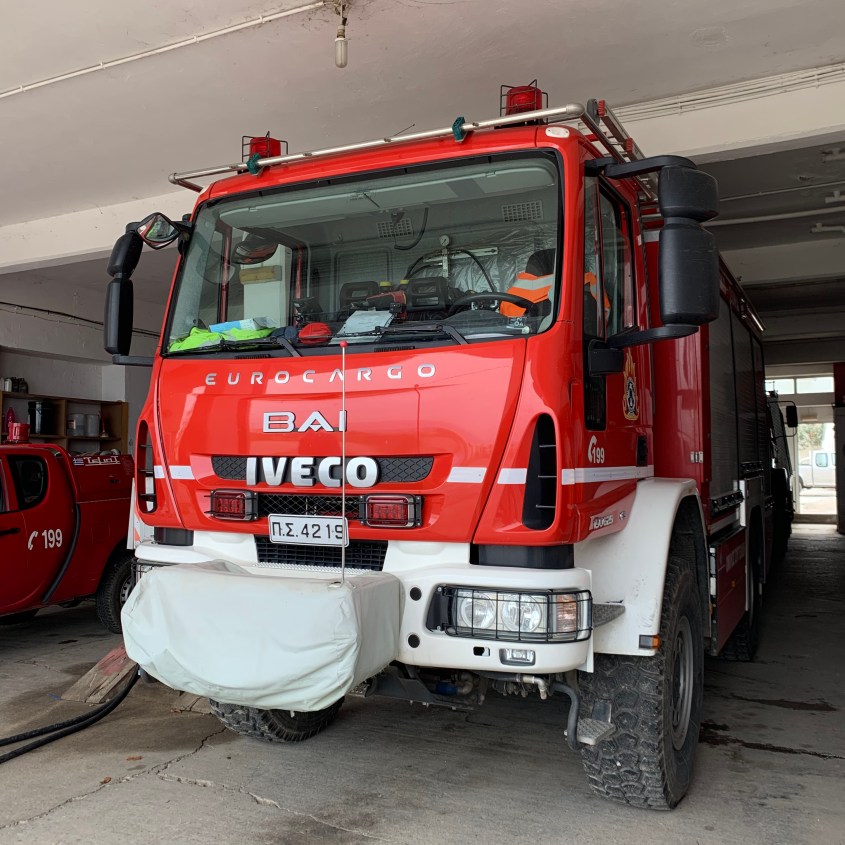
After lunch we walked in search of the local fire station. Despite our start to the trip, we’ve otherwise seen no signs of a medical system. I’ve yet to see a hospital anywhere, and have seen only one ambulance back in Athens. Public services have been scaled back over the years as the Greek economy struggled.
The Kissamos fire station has tanker trucks but no ambulancesThey had three of these vehicles
We continued walking towards the beach and passed by the Bishop’s Palace by the seaside.
The Bishop’s Palace, Kissamos, Crete
At first glance, I thought it was a municipal building or home of a celebrity. It was only then I noticed the crosses topping the flagpoles that I realized this was a religious-affiliated building.
Lifeguard stand at Kolpos Kissamou, Greece
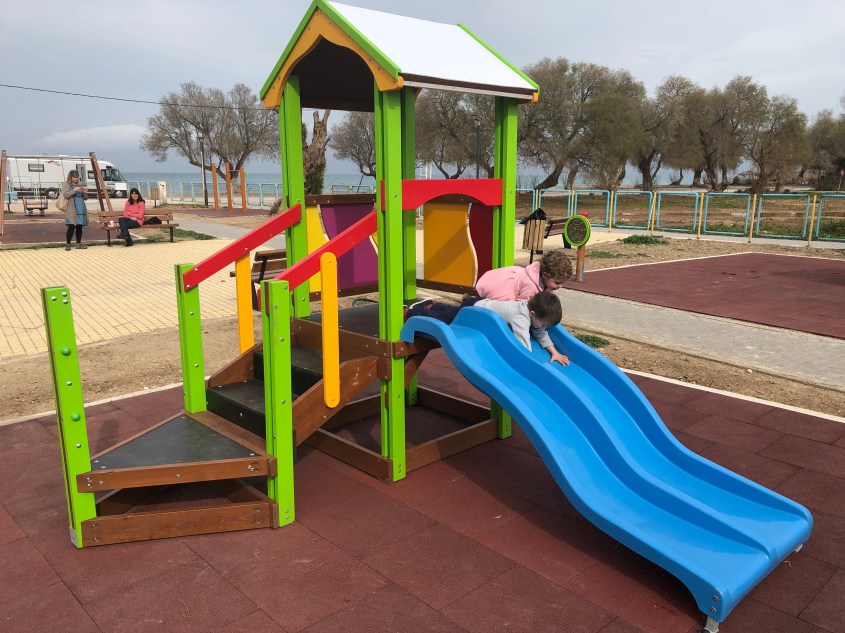
We hit the jackpot when we rounded the corner and saw a large public playground with slides, swings and monkey bars. Greece has a fair number of public playgrounds. We’ve run into one at almost every tourist destination.
Two slides but the left is just much more appealingChurch next to the fire station
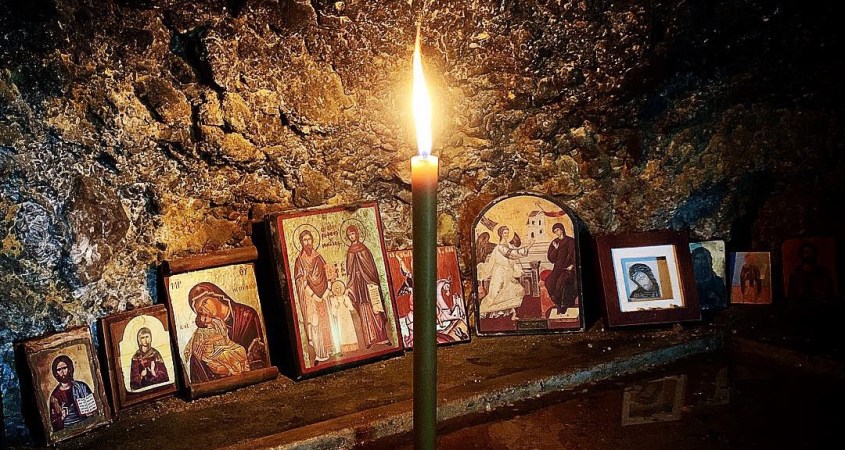
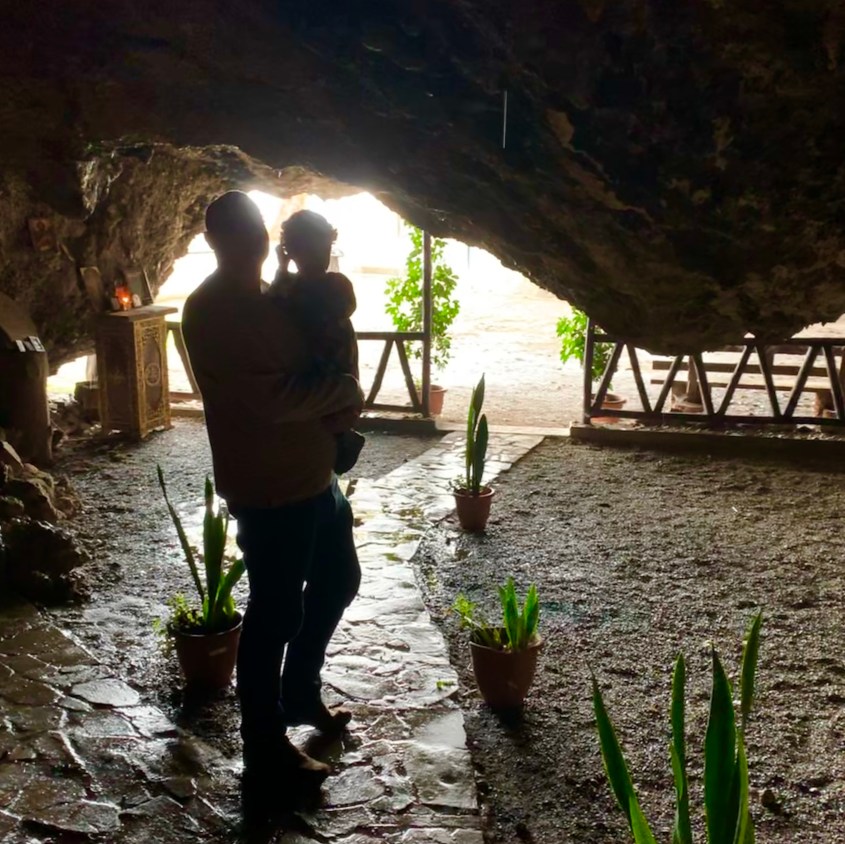
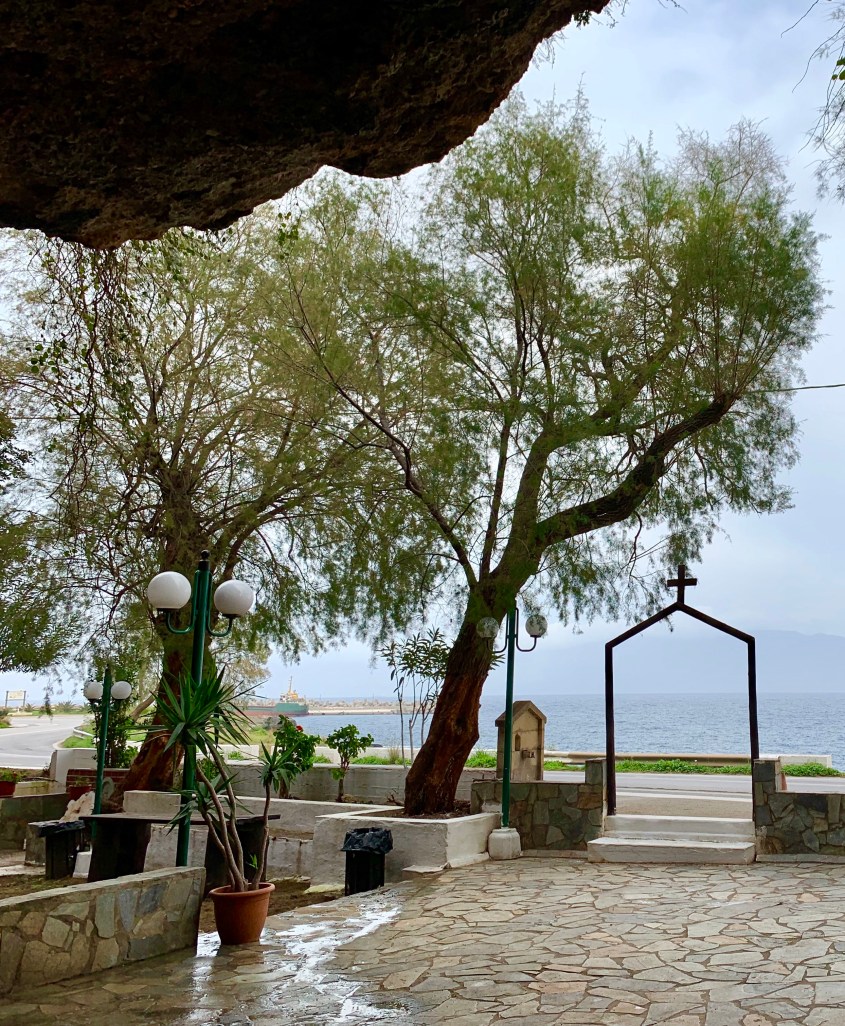
We opted to drive back early to Villa Irene as we didn’t want to get caught in the rain. As we exited Kissamos, we were able to make a quick stop at a small church built inside of a seaside cave called Cave Church St. John.
Saint John Damialis Church & CaveAltar inside the cave
The church was built in the 10th century. There’s a natural rock formation that provides a dramatic ceiling for this special church.
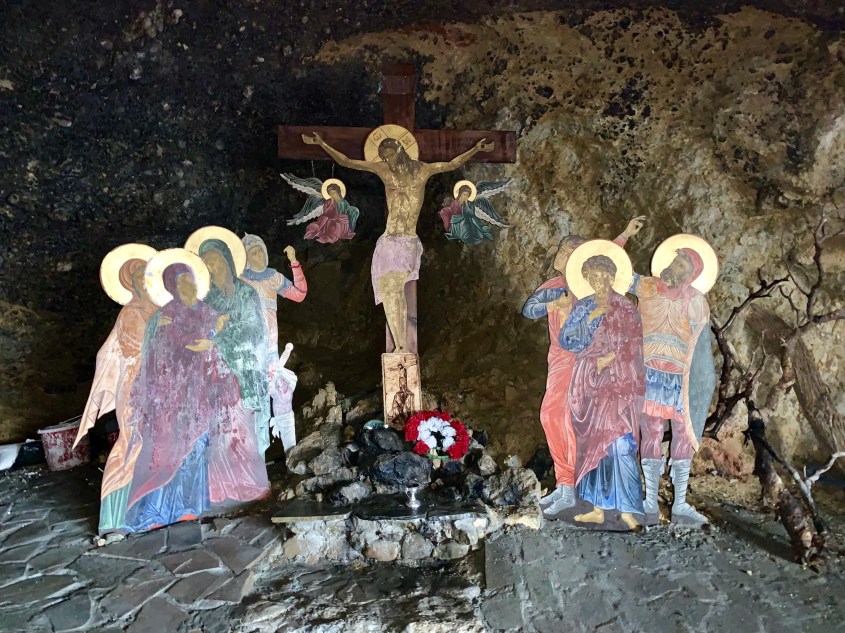
A structure sits to the left, and on the right within the cave are multiple altarsWhile we were alone, multiple candles were shining brightlyWater drips through the porous rocks and from the ceiling of the caveGilded figures line the walls
I entered the church with the black and white floor carefully. The floor was wet and slippery and the whole area dark.
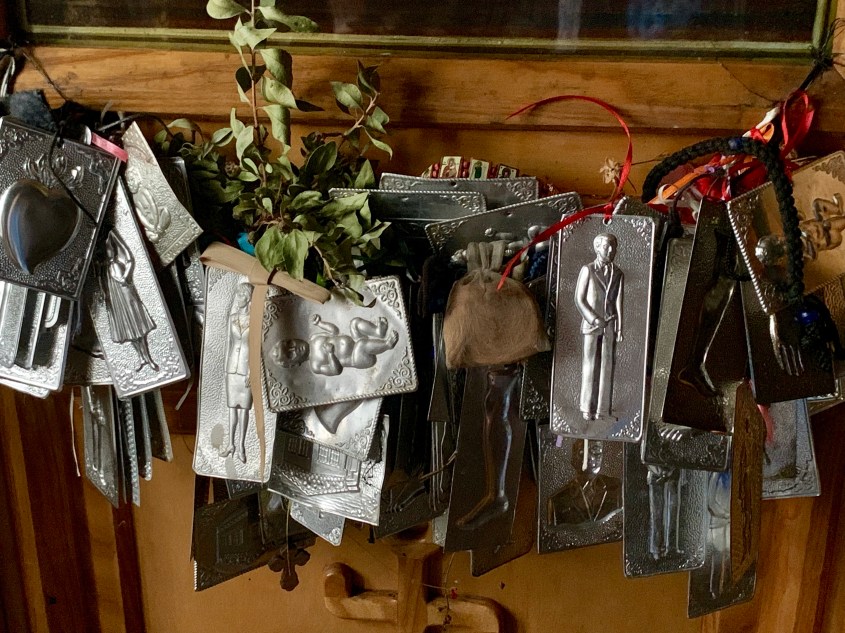
Confessional booth within the churchReligious iconsLooking out at Kissamos Bay
We made it back to Villa Irene just before the thunderstorm unleashed torrents if rain, wind and lightening on the coast. Our instinct to get home before the storm was on point. Driving in the storm would have been dangerous and nail-biting.
Tonight I’ll start packing up for the flight back to Athens tomorrow. It’s hard to believe our trip is coming to a close.
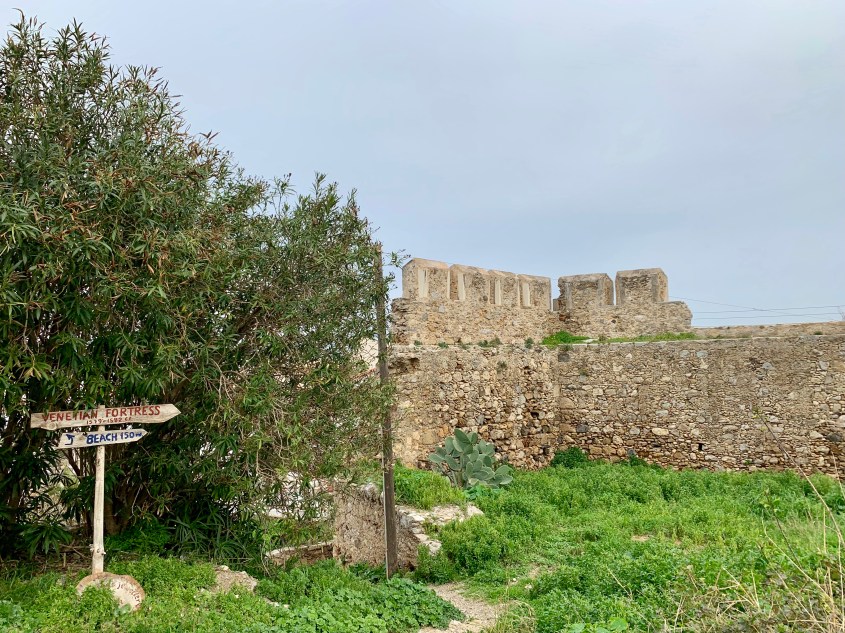
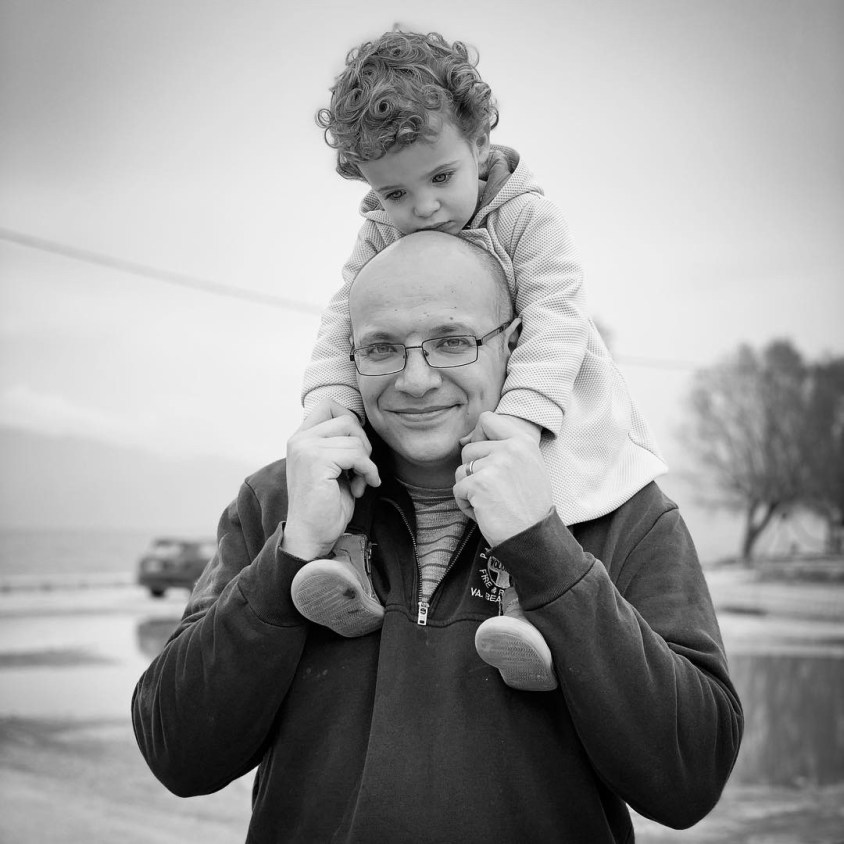
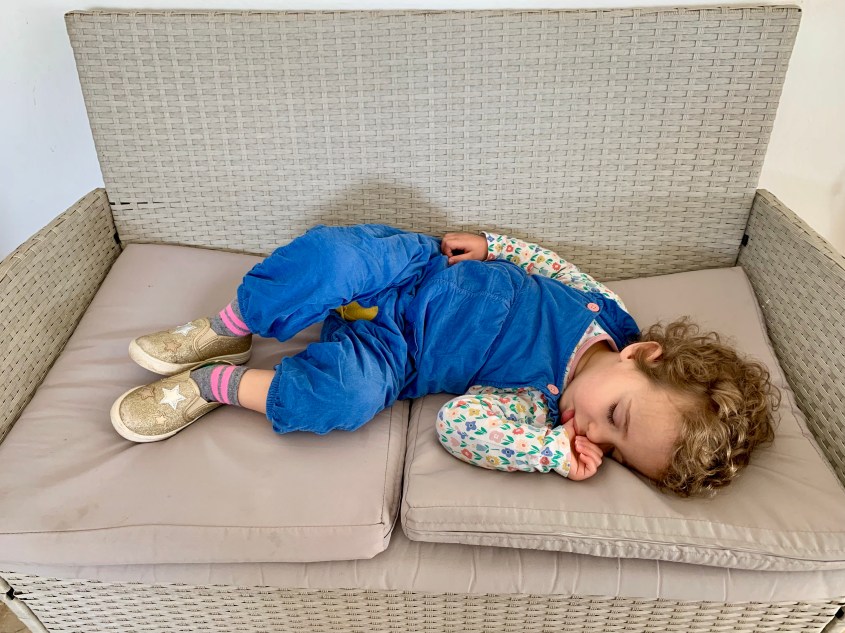
Venetian Fortress of Kissamos, 1579-1582 AD.#1 Toddler was tired after the playgroundKissamos Beach
So it’s 6:30pm here in Greece, and we’re drinking champagne and eating peanut M&Ms. That’s been the theme of the day – slow and casual. We started the day with no clear plans, but not for a lack of trying.
Mr. Snail taking his time
We started the morning playing in the yard, swinging on the swings and appreciating the small gifts from Mother Nature. There are tons of snails and millipedes here at Villa Irene. Amir was drying out his bathing suit yesterday,and when I shook it to bring it inside, 4 millipedes fell out. Ooopfff.
Despite it being winter, the rose garden of Villa Irene still offers some jewels
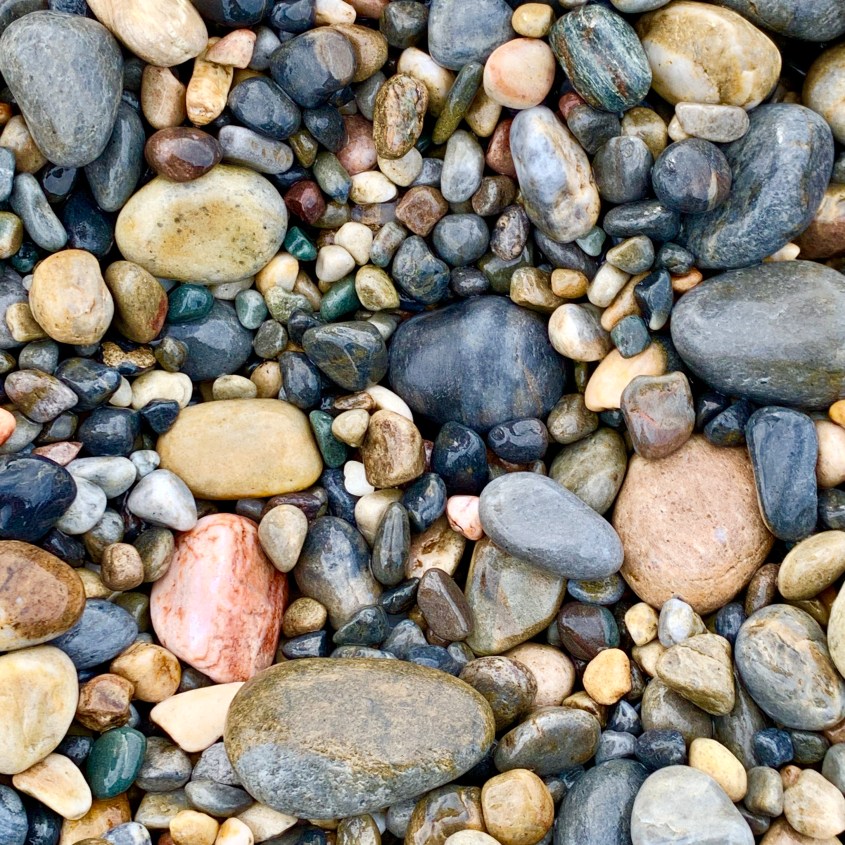
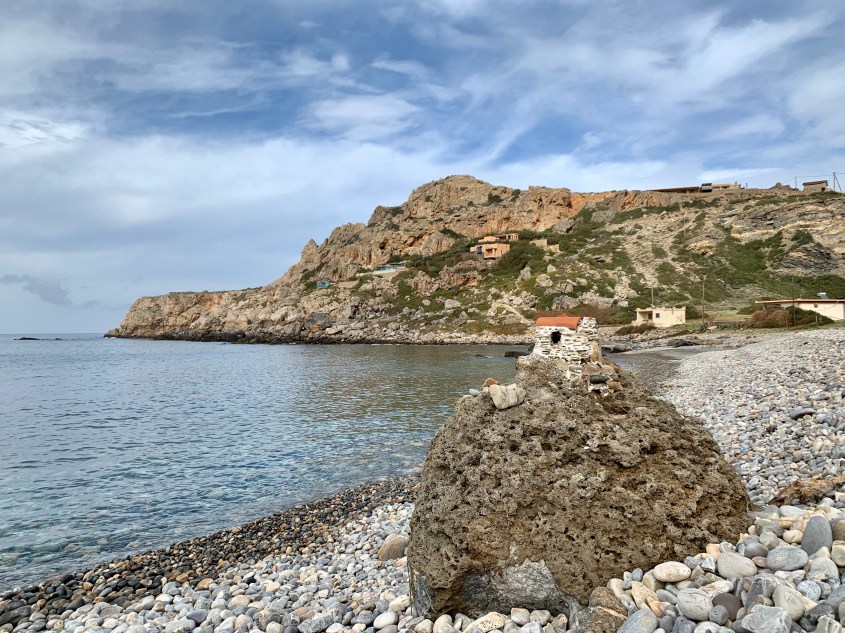
We drove a short way to nearby Keramoti Beach easily visible from Villa Irene. It’s a pebble beach, consisting of rocks ranging in size from sand to boulders. I thought of the rock tumbler I’d begged my parents to buy when I was twelve. Here I was standing on the biggest crop of polished quartz, marble, slate and other gems. A natural rainbow.
Rock rainbow at Keramoti Beach
#1 Toddler enjoyed the tactile experience of picking up and throwing the rocks into the water then watching for a splash. Many of hers fell short, but her dad staved off her disappointment by skipping rocks for a solid meter.
Skipping rocks on the beach at Keramoti
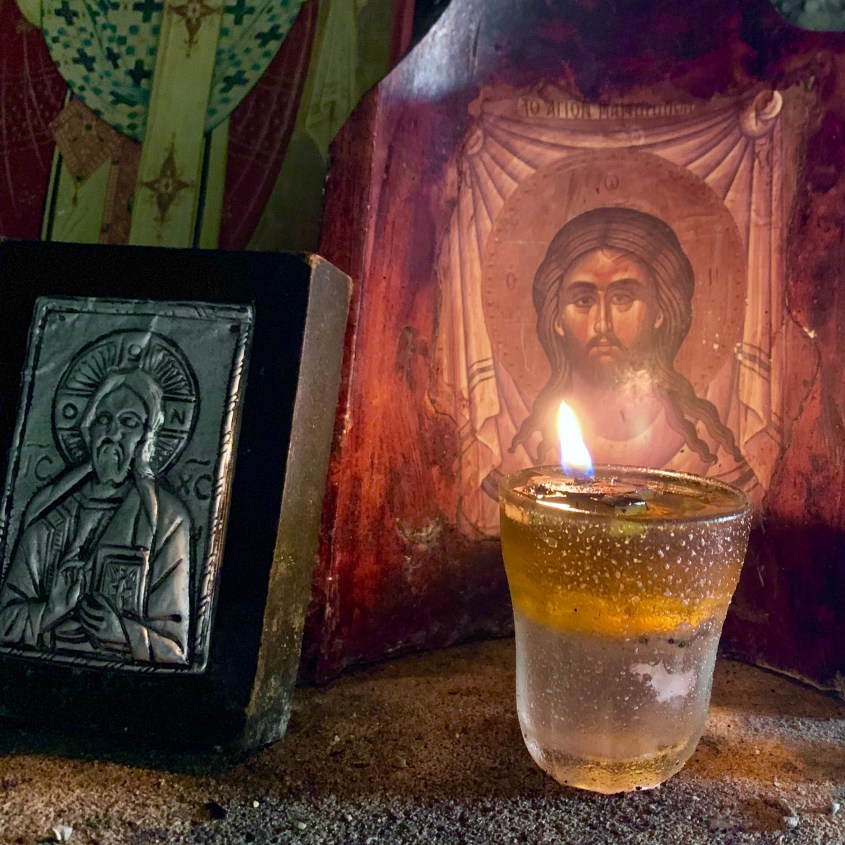
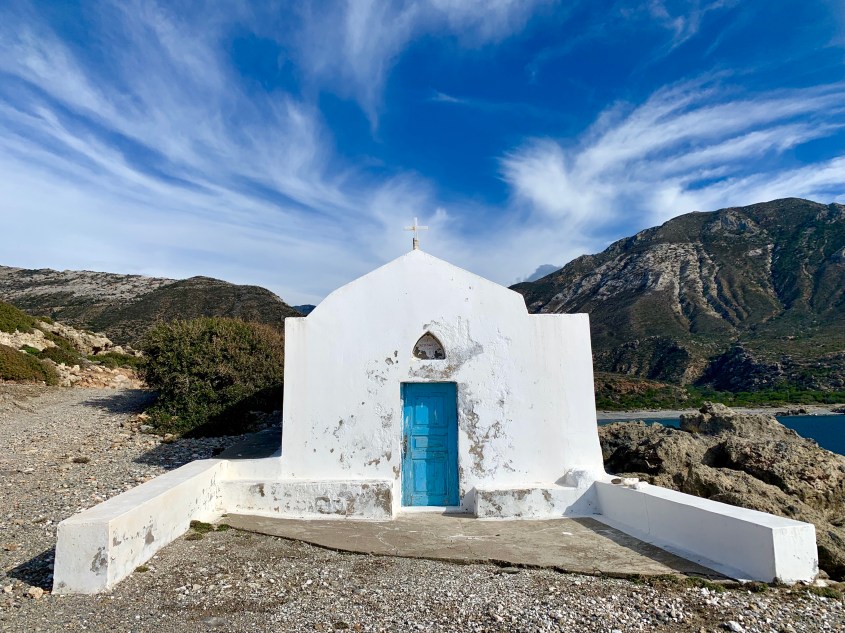
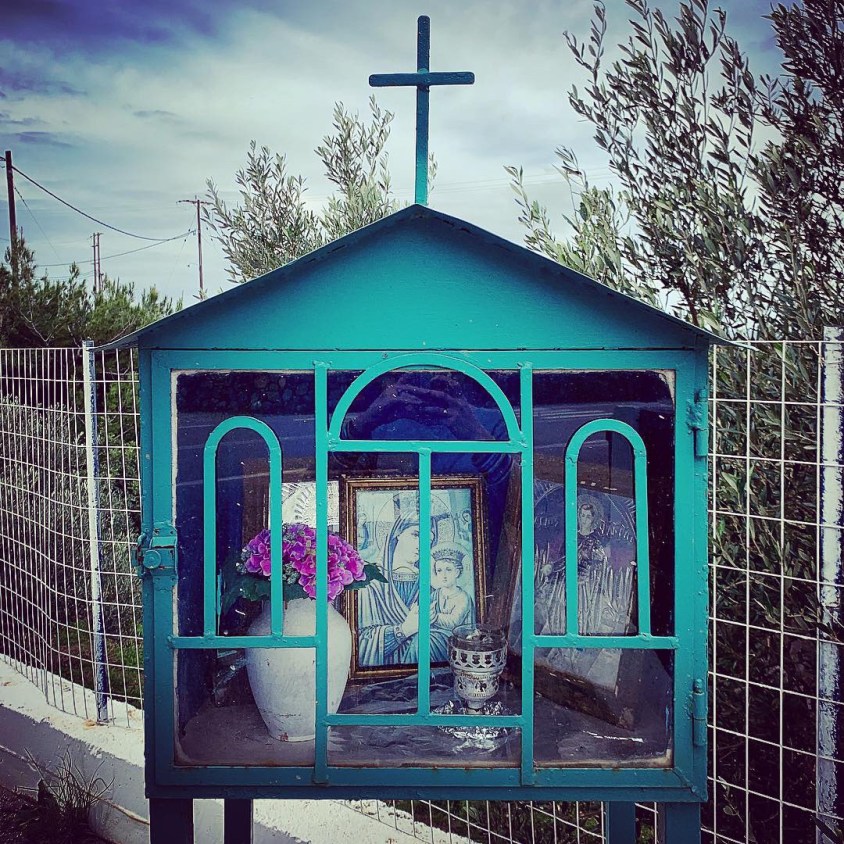
There was one Kandylaki on the shore at this beach. Atop a large boulder, I couldn’t see inside to appreciate its inspiration.
Seaside Kandylaki near Villa IreneSponge and seashells washed up on the shore
She loved throwing rocks a tad too much and ended up getting soaked. Amazingly she wasn’t cold or pouty given that it was only 60 degrees out.
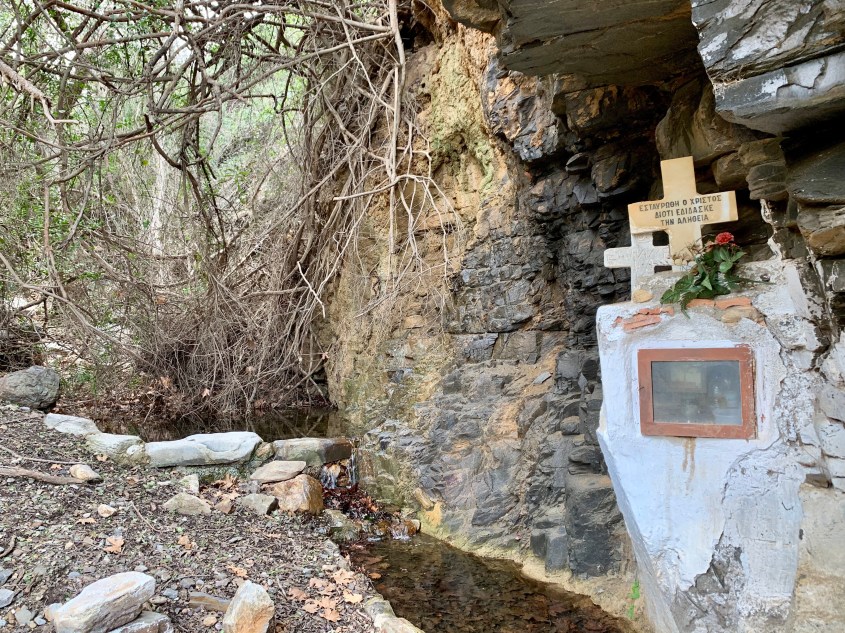
On the drive down to the beach, we spotted a small cave with a trickling stream. It was the cave that initially caught my attention and beckoned my camera, but as I approached, I realized there was a Kandylaki here in this special place.
Roadside cave with a stream and Kandylaki
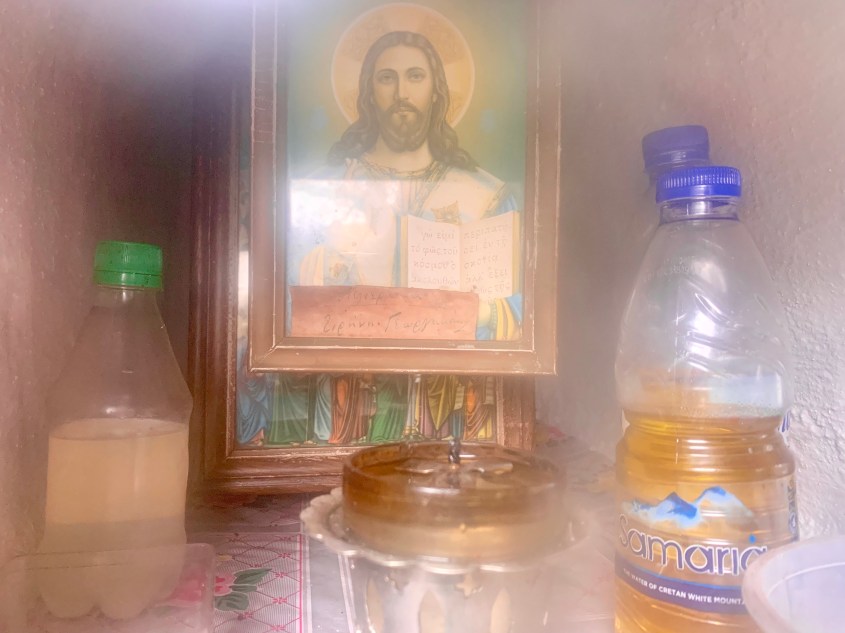
The glass is fogged, but you can still appreciate the wine and other offerings
After the beach, we headed home for a change of clothes since some of us were soaked. We looked online briefly for an alternative lunch spot, but ultimately we returned to Kochilas since we’d had such an amazing meal there two days ago.
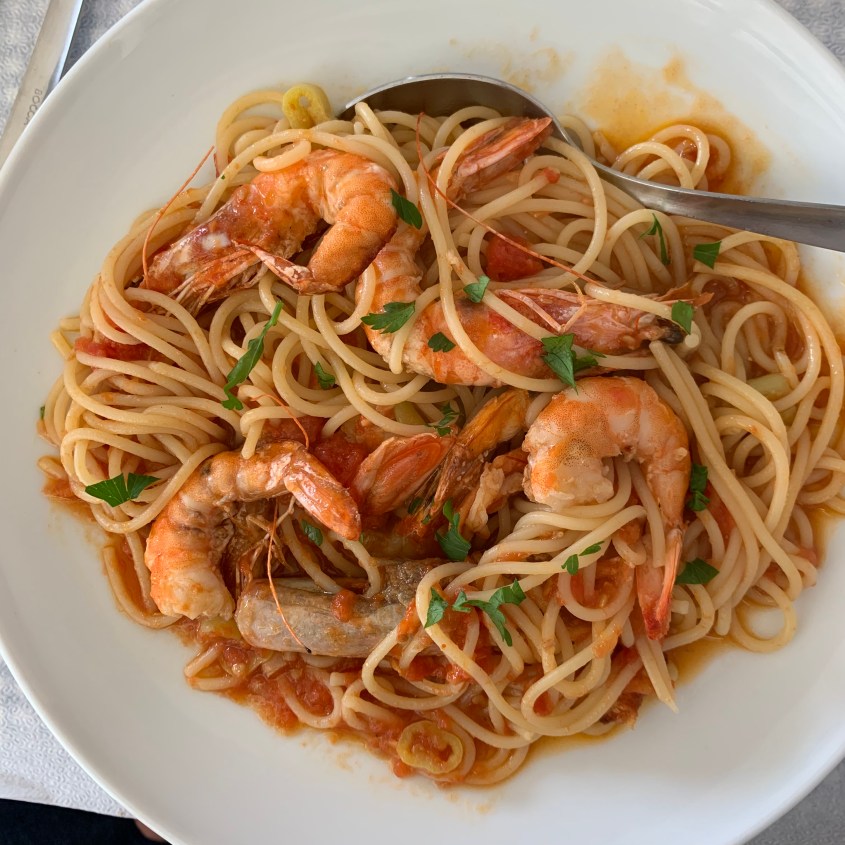
Goat cheese and tomato purée on toastShrimp spaghetti, simple and deliciousShe napped through the first half of lunch
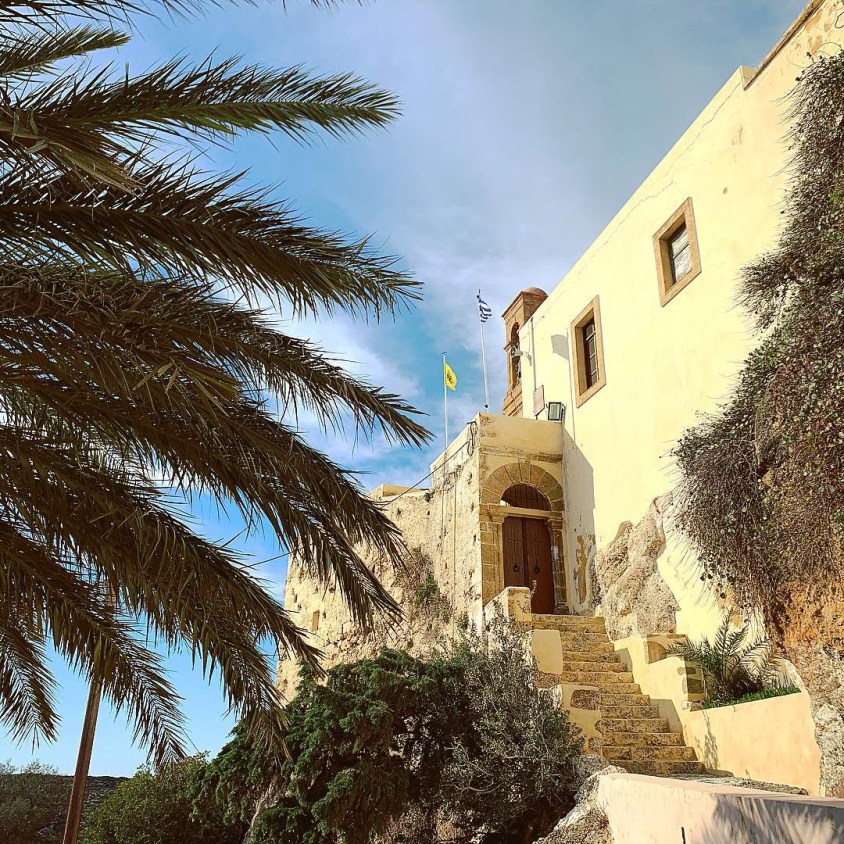
After lunch we hopped back in the car to explore the nearby Monastery. Unfortunately the interior closes from 1-5pm daily, so we were limited to the exterior tour.
Μονή Παναγίας ΧρυσοσκαλίτισσαςExterior of the monasteryI wish I knew what was behind that closed door
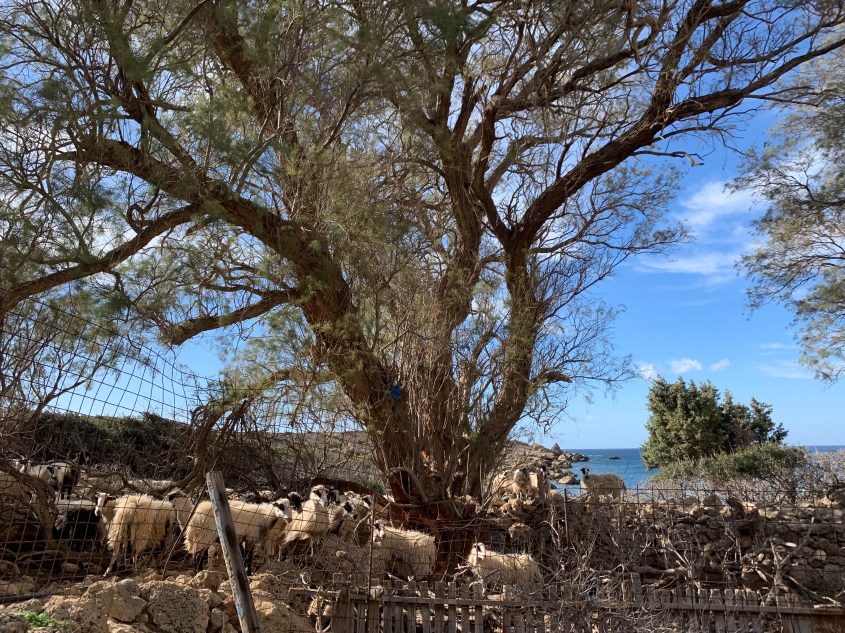
While the monastery being closed was certainly a disappointment, it did satisfy one desire for the day – to see more sheep or goats.
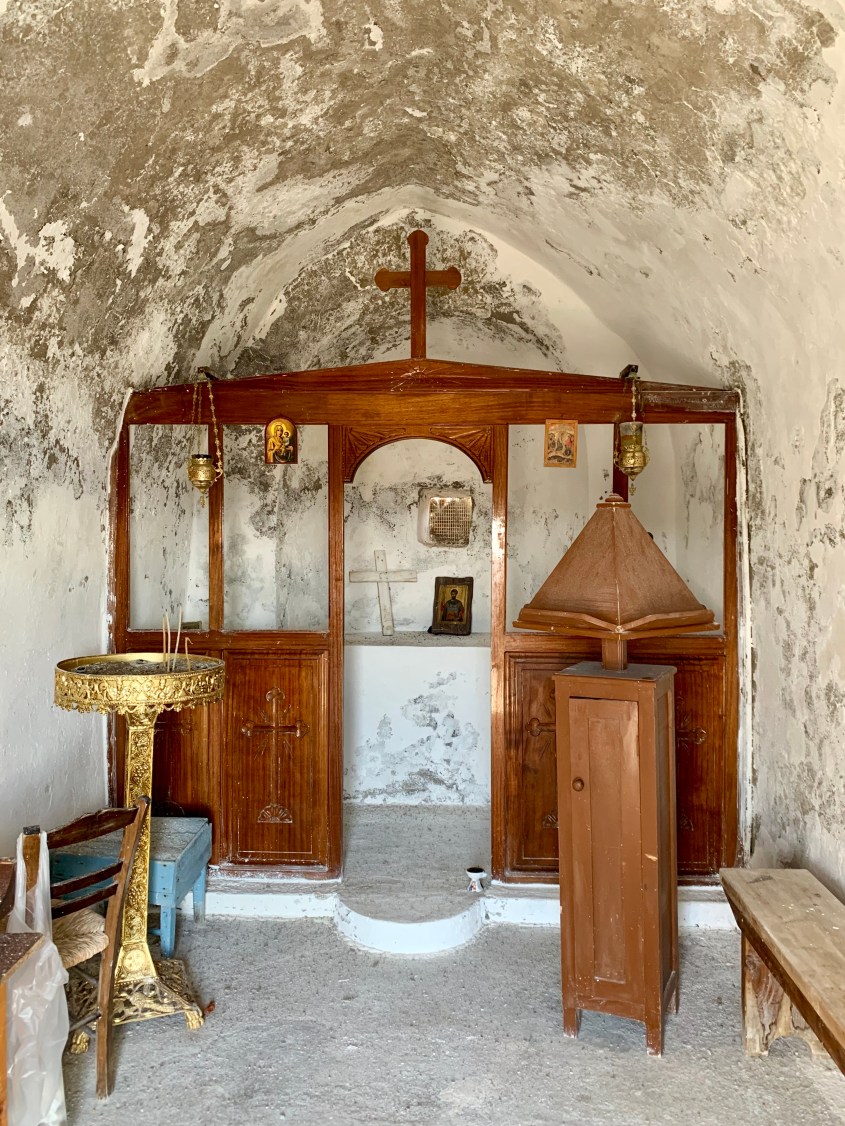
On the drive home, we stopped at the Church Agios Theodoros to take a closer look. We drove past it two days ago on our drive to Elafonissi Beach but didn’t stop.
Ageos TheodorosThe altar inside Ageos Theodoros
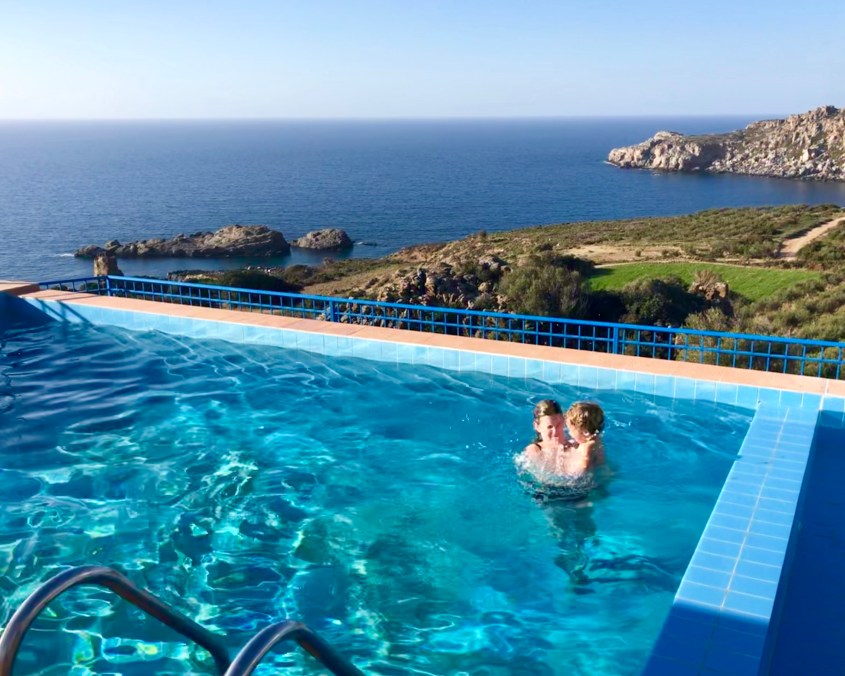
After returning home, I had the sudden urge to go swimming in our heated pool. Tomorrow’s forecast is for 100% chance of rain, so we may just enjoy the storm from inside the comfort of Villa Irene, or if the roads aren’t too bad, we might check out the Archaeology Museum in Kissamos.
Splashing in the heated pool at Villa IreneAnother Kandylaki from today’s travels














 Unfortunately we got there just an hour before closing and didn’t get to see all it had to offer. It’s conveniently located right next to Ørsteds Park which has multiple swings, slides and a sandbox perfect for antsy toddlers.