Day 4: A Welcome Like Family

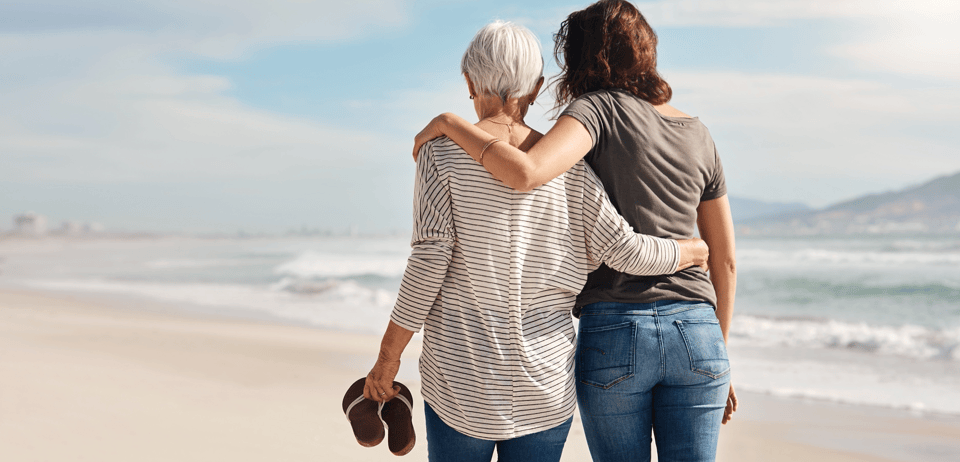
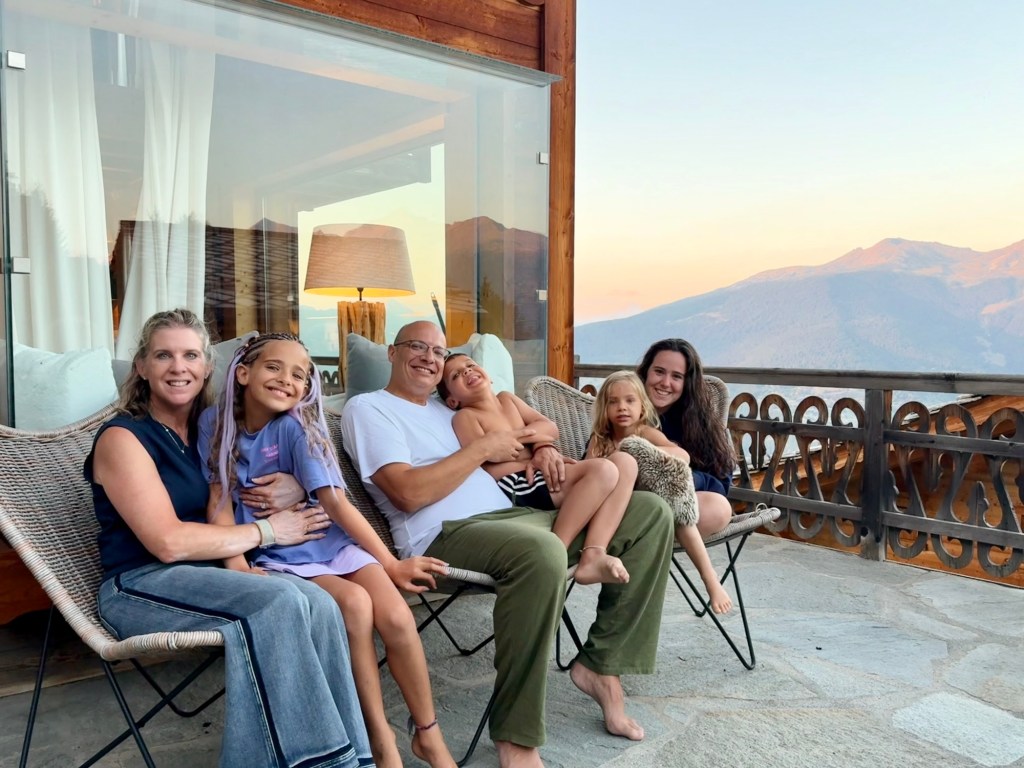
As we pulled up to Lidia’s parents’ house in Autol, they were already outside waiting for us, waving both arms enthusiastically in the air with the kind of joy that instantly makes you feel wanted. Before we had even unloaded the van, we were greeted with hugs, smiles, and an excitement that couldn’t be faked.

Candy and Estrella

Inside, they welcomed us into their home as if we’d been friends for years. The kids were surprised with thoughtful gifts, while Amir and I were each handed an ice-cold Estrella beer—a perfect way to toast the beginning of our stay. We met Lidia’s grandparents, toured the family home, and immediately began to understand where Lidia gets her warmth and generosity.

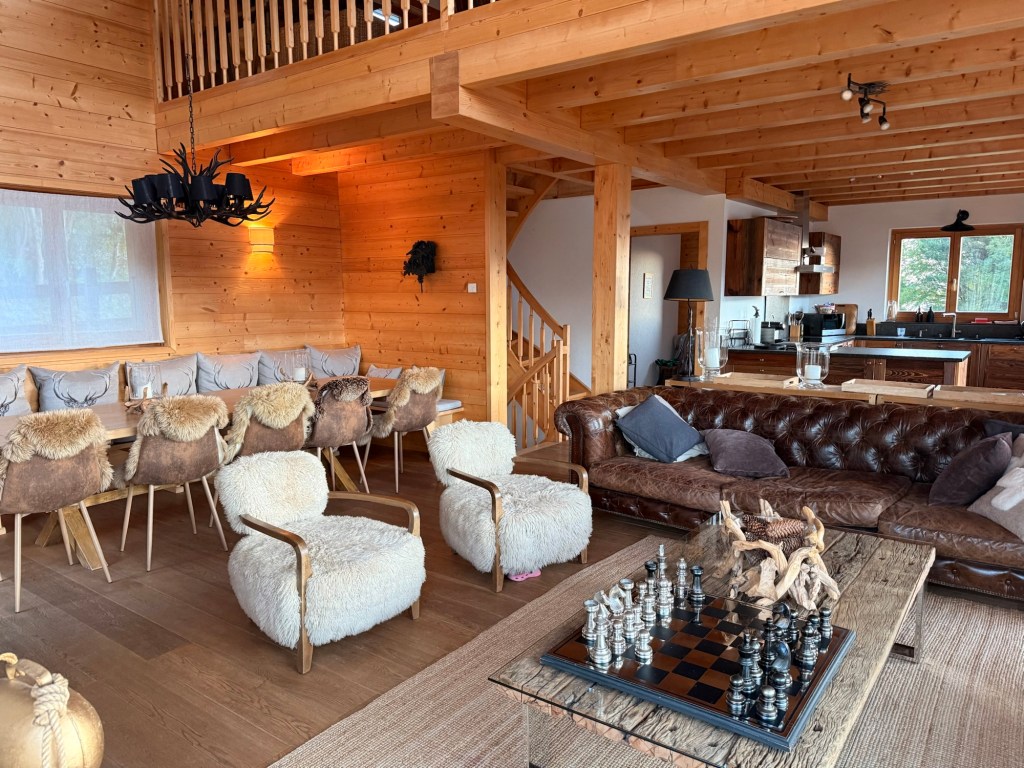
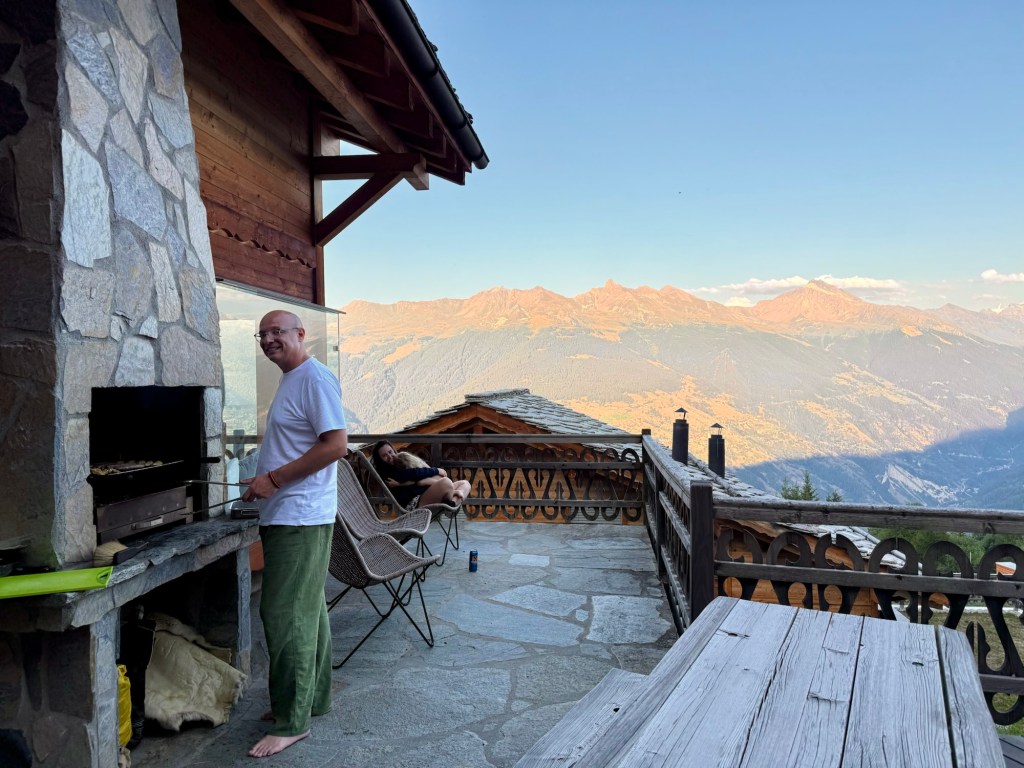
From there, they took us to the home where we’ll be staying for the next few days. Perched high on a hill overlooking Autol, it belongs to close family friends who graciously share it when they’re away. Lidia explained that this is common here. Many families who live in the compact apartments and narrow streets of town have a second home in the surrounding countryside, where there’s room to gather, a swimming pool, and space to enjoy long summer evenings.

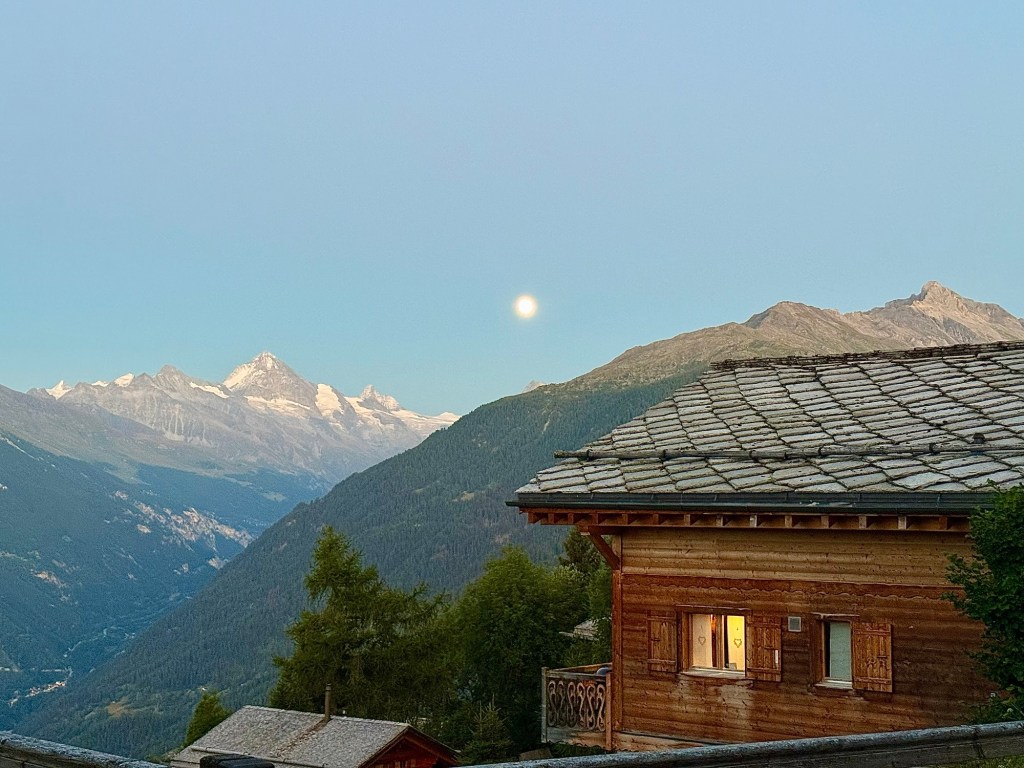
View from the garden at the pool house

The view was breathtaking. Green and gold vineyards rolled across the valley below, framed by rugged cliffs and dotted with olive groves that have likely stood here for generations. As the sun began its slow descent, the entire landscape glowed in shades of amber and gold.

Dinner was simple, unpretentious, and absolutely delicious. We shared bowls of patatas fritas, olives stuffed with sardines, sharp local cheese, paper-thin slices of jamón, fresh bread, and a chilled white Rioja wine—the first white Rioja I’ve ever tasted. Like so many things on this trip, it challenged what I thought I already knew.

The conversation around the table was an adventure all its own. I stumbled my way through Spanish whenever I could. Amir relied on his Meta glasses to translate conversations from Spanish into English, with surprisingly mixed results. And whenever technology or my high school Spanish failed us, Lidia effortlessly bridged the gap, translating with patience and a smile. Somehow, between imperfect Spanish, artificial intelligence, and a wonderful human interpreter, we all managed to understand one another.

As we watched the sun disappear behind the vineyards, I found myself thinking that the most memorable moments of travel are rarely the ones listed in guidebooks. They’re the evenings spent around a table with people who open their home, share their food, laugh with you through language barriers, and make you feel less like a visitor and more like family.

There is a Spanish word—sobremesa—that describes the time spent lingering around the table after a meal, talking and enjoying one another’s company. Tonight was my first real experience of it, and I can’t think of a better introduction to life in this little corner of La Rioja.

A tour of the Rioja winery

This morning, we were given a behind-the-scenes look at the heart of Lidia’s family’s livelihood: their winery.

Pablo, Lidia’s cousin, welcomed us and took us into the vineyards that have been in their family for generations. Along with his brother, Javier, and their father, he now runs the winery, carrying forward a legacy while thoughtfully embracing the future.

Pablo explaining the history of espumante

Standing among rows of vines stretching across the hillsides, we learned that making wine in Rioja is about far more than simply growing grapes. It is a region defined by tradition, regulation, and an unwavering commitment to quality. Production is intentionally limited, ensuring that only the highest quality grapes become Rioja wine. Every authentic bottle carries an official Rioja label and its own unique identification number, certifying its origin and authenticity. That protected designation allows growers to command a higher price—not because they produce more, but because they produce less, and they produce it exceptionally well. It was fascinating to see how an entire region has chosen to prioritize excellence over volume.

At the same time, Pablo showed us that tradition and innovation are not mutually exclusive. The family is continually exploring organic and environmentally friendly farming practices. One of the highlights for Oliver was meeting—and getting to drive—the vineyard’s bright blue electric robot. The compact machine quietly moves through the rows of vines without producing emissions, helping reduce the vineyard’s carbon footprint while performing tasks that would otherwise require larger equipment.

Perhaps the biggest surprise of the morning was learning that the family still considers the phases of the moon when caring for the vines. Pablo explained that as the lunar cycle changes, the movement of water and nutrients within the plants changes as well, influencing when certain vineyard tasks are best performed. Amir and I exchanged glances—we had never heard of such a thing. Whether discussing centuries-old traditions or cutting-edge technology, it became clear that every decision is made with incredible intention.

What struck me most wasn’t simply the wine itself. It was the pride. The vineyard isn’t just a business; it’s a family story. Every generation has added its own chapter, honoring the work of those before them while preparing something even better for those who will come next. Watching Pablo speak about the land, it was impossible not to admire the passion he has for preserving both his family’s legacy and the future of Rioja winemaking.

The gardens at the vineyard

After returning to the pool house, the afternoon slowed into one of those perfect summer days. The kids spent hours in the swimming pool while the adults relaxed in the shade. Meanwhile, Amir and Lidia’s father, Jesús, embarked on a culinary adventure together. Armed with their Meta glasses and real-time translation, they somehow managed to cook an incredible paella.

Tomorrow promises to be another unforgettable day. We’ll return to the vineyard—not for work this time, but for celebration. Lidia’s parents are celebrating their 25th wedding anniversary, and family and friends will gather in the vineyard gardens we saw today. If the warmth we’ve experienced over the past two days is any indication, it’s sure to be an evening filled with laughter, good wine, and the unmistakable feeling of family.

A Village Comes Alive

After an afternoon siesta back at the pool house, we headed into Lidia’s village just as it was coming alive. The streets had been closed to traffic, and there was an unmistakable buzz in the air as everyone prepared for the weekend festival. Families filled the plazas, children darted through the streets, and every café seemed to spill onto the sidewalks.

Running with the vaquitos

We found a small café, ordered cold Estrella beers, and settled in to wait for one of the evening’s traditions: the vaquitos. Unlike the famous fighting bulls, these are small bulls with no horns, making them a much safer introduction to the sport. A temporary ring had been set up in the middle of town, and nearly every child in the village seemed eager to test their courage. They perched on the fence surrounding the ring, taking turns jumping inside to tease the vaquito before scrambling back over the rails at the last possible second. It was equal parts bravery, chaos, and laughter.

The only real excitement came from outside the ring. A woman watching the festivities suddenly collapsed. Without hesitation, Amir rushed over to help until the ambulance arrived. She briefly lost consciousness again while he was assisting her, but thankfully she recovered and was eventually okay. It was a reminder that sometimes the biggest drama isn’t the one everyone is watching.

With the excitement behind us, we wandered over to the carnival. The kids tried a fishing game using long poles with hooks to catch floating rubber duckies, each marked with points on the bottom. Every one of them walked away proudly clutching a prize. But the biggest hit of the night was a trampoline attraction where they were harnessed to giant bungee cords and launched high into the air, soaring, bouncing, and even attempting flips. #1BigSister declared it the best part of the entire evening.

As darkness settled over the village, we found ourselves at the aptly named Dublin Bar, a lively gathering spot with a playground for the kids and plenty of outdoor seating for the adults. The contrast made us smile—children climbing and laughing while parents lingered over food and drinks well into the night. We finally sat down for dinner… at 10:00 p.m. In Spain, that’s perfectly normal. For us, still operating somewhere between American and Spanish time, it felt incredibly late.

Tomorrow morning may come far too early, but tonight we experienced exactly what makes small-town Spain so special: traditions passed down through generations, children with endless energy, neighbors filling the streets, and a community that seems to come alive only after the sun begins to set.

~Steph
Day 3: Road Trip to Autol “¿Ya llegamos?”

Today we traded the energy of Barcelona for the open road. We slowly packed up our Airbnb, still mourning England’s loss, and somehow fit six people and what felt like half our possessions into a rented Mercedes V-Class van, and pointed ourselves four hours west toward Autol, the hometown of our au pair, Lidia.

Traveling as a family of six has taught us one thing: a normal rental car simply isn’t an option. Between three kids, six suitcases, backpacks, snacks, and all the miscellaneous things that seem to multiply every day, the Mercedes van isn’t a luxury—it’s a necessity. It feels enormous until every seat is occupied and every inch of cargo space is full.

Lidia’s family has been counting down the hours for our arrival. Our phones have been buzzing with excited messages all day: ”¿Dónde estáis?” (“Where are you?”) and ”¡Os esperamos!” (“We’re waiting for you!”). Their excitement has made the drive feel like we’re not just visiting another town—we’re being welcomed home.

The soundtrack for today’s journey has been equal parts Benito Kamelas and Apple’s Spain Top 100 playlist. Somewhere between rock anthems and Spanish pop hits, the scenery rolled by in shades of gold, green, and dusty hills.

Waiting for our giant van

Of course, no family road trip is complete without the universal question that transcends every language on Earth.

“Are we there yet?”

Every ten minutes.

Seriously—why do children everywhere, regardless of nationality, seem to receive this programming at birth?

About halfway through the drive we stopped at one of Spain’s roadside service areas. Calling it a “rest stop” almost feels unfair. These aren’t rows of fast-food chains and vending machines. They’re more like casual cafés serving real food, just quickly.

Lunch was simple and delicious: jamón y brie on fresh French baguettes, crispy croquetas de jamón y queso that the woman at the register happily popped into the oven for us, and wonderfully hot café con leche to keep the adults going. Fresh bread, good coffee, warm croquetas—it was exactly what a road trip should taste like.

We didn’t need fuel just yet, though the van’s diesel tank will eventually remind us that our adventure is only beginning.

For now, we’re back on the highway, music playing, kids asking if we’re there yet, and a family in Autol waiting with open arms.

Sometimes the best part of travel isn’t the famous destination. Sometimes it’s the road between two places, good coffee in hand, Spanish music on the speakers, and knowing that somewhere ahead, people are genuinely excited to see you.

Hasta pronto, Autol. We’re almost there… I think.

~Steph
Day 2: La Segrada Família and Parque Güell

I’ve been to Barcelona only once before. It was 1994, and I was 15 years old, traveling with my parents for Spring Break of my sophomore year of high school.

Back then I didn’t get to determine the destinations – I was just happy to go anywhere beyond Virginia. A little disclaimer up front though – my memories of that family trip are a bit limited, because something tragic happened while we were gone that ended up overwriting most of what I’d imprinted. One of my closest friends at that time, Matt Fidler, was killed along with his friend Ryan Smith, while cave diving in the Bahamas. I deal with death daily now as an adult, and especially as an Emergency Physician, but he was the first true friend I’d lost. It had happened the first few days of that Spring Break, but I learned of it after the rest of our friend group as my family was unreachable abroad.

That said, I have three distinct memories from that trip to Barcelona. 1) Parque Güell, with its winding mosaic walls, 2) La Segrada Familia, which was only 25% complete then, but the most mind-blowing thing I’d seen in my life to that point, and 3) more of a feeling than a place, the mood of Barcelona, coming off a high after hosting the 1992 Summer Olympics. The police officers still wore their distinctive white gloves with the Olympic logo embroidered, but their faces and the whole mood of the city was one of emotional comedown, post-Olympic blues.

Today, at 70% completion

We took two cabs from our AirBnB to La Segrada Familia. We learned the hard way to get tickets more than a month in advance, otherwise you can expect to pay a premium. If you are going during the sweltering summer like us, pack your bottled water and be prepared for crowds.

As we rounded the corner and caught our first glimpse of this UNESCO site, the exterior texture was what floored me. Unwrapped colorful candies affixed to a drip sand castle. Colorful beads dotting the spires atop towers that reach for the sky. You have to crane your neck and squint to see them in the distance above.

Tickets to ride the elevator up the spires are extra. We opted to stick with the ground-level interior experience. #1BigSister noted the deliberate use of warm and cool colors on opposing sides of the church, and the specific absence of purple. Perhaps Gaudí drawing a clear line. I vaguely remembered something about the abrupt death of Antoni Gaudí, that he’d been hit by a car – a tram to be precise thanks to ChatGPT correcting my memory.

Gaudí began construction of his masterpiece in 1882. It was plagued with difficulties throughout the entire course of construction, even today, which is why it’s taken 144 years (and counting) to build it. Barcelona elites found Gaudí’s style to be tacky and excessive, gaudy even (no relation though, as this word dates to 16th century old English).

I wish we had more time here to explore Gaudí’s works. I’m adding an off season trip (less crowds, less heat) to my return travel list.

He’s leveled up to Meta glasses and an iPhone

From La Segrada Familia, we split up into two cabs again, this time bound for Parque Güell. Roughly 1.5 miles apart, in this heat we weren’t going to be able to walk it.

The park is known for its winding pathways and mosaic walls. There are gardens and musicians, newlyweds and large tours with families. The people echo the tapestry of the art itself.

We taxied to an open air food market, Mercat de Santa Caterina, and caught it just as the stalls were closing. Starving, we lucked out and got an easy table for 6 at Cafe Bar L’Univers. I’ll let the photos speak for themselves. We loved everything we ordered.

Stuffed, we slowly walked home, knowing we had a siesta ahead of us, allowing us to recharge before the England vs Argentina match.

~Steph
Day 1: ¿Fiesta en España? Count us in!

Marriage and parenthood are hard. Achievements big and small deserve celebrating. It’s no secret we love travel and we love a great party – so when Lidia’s parents invited us to come celebrate their 25th Wedding Anniversary in Spain, we replied “¡Si si por su puesto!”

For most trips we take, the flights (and credit card reward points) dictate our actual itinerary. For this adventure to Spain, it made the most sense to fly Dulles —>Munich—>Barcelona and spend a few days in Barcelona ahead of the family event in Autol, Lidia’s village.

We’re arriving three hours ahead of the Spain vs France World Cup Quarter Final game. For weeks we’ve known this perfect alignment could happen – being in a country that lives and breathes fútbol and experiencing watching that game with the food, drinks and energy of those people. We couldn’t have planned it better, save for going to the actual game itself. (I looked up those ticket prices a few days ago out of curiosity – $2700-$6800 each for those wondering).

Studying even though it’s Summer

Earlier this summer with World Cup approaching, I made an impulse buy at the Walgreens next to the New Kent ER. A FIFA booklet and collectible sticker featuring each team and individual player. Little did I know this would come to attract everyone’s interest and define our summer. #1BigBrother is refining his reading skills, and #1LittleSister (4 years) letting “Uzbekistan” roll right off the tongue.

Not nearly complete but still working on it

We landed in Barcelona, quickly exiting the terminal thanks to connecting in Munich and not needing a complicated customs exit. Our bags took 20-30 minutes to materialize on the carousel, but I had reassurance they’d made the journey with us thanks to an AirTag I slid in to my roller bag pocket.

Staying here two nights

We unlocked our AirBnB, dropped our bags, each took 2 minute showers and set off to find a suitable place to watch the game. We walked for 30+ minutes, passing by a French fry-only establishment that looked a little dull, and soon learned beggars couldn’t be choosers. Every bar was spilling out the door with fútbol fanatics. We quickly realized anywhere we could see a screen would need to do.

Spoiler alert: SPAIN Won! And even as I type out this post, the streets of Barcelona are brimming with the energy of victory. Horns honking, mates shouting, firecrackers. Now we have to change our Sunday plans to accommodate the Finals. Who would have thunk it.

~Steph
Costa Rica Day 8: The Journey Home

Two of the three kids awoke at 3:30AM in tears from Swimmer’s Ear. Considering how much time they spent in the pool, it’s not at all surprising. We checked out of our AirBnB before heading to the pharmacy for cipro drops and breakfast at Mono Congo Cafe. By check out, I mean we just left the place unlocked with the keys on the table. They are very light on rules here. Pura Vida.

We took the Sansa puddle jumper back from Quepos to San Jose without much fanfare. The weather was clearer this go around, letting my nerve relax a bit.

Kids Zone at San Jose Airport

We have a direct flight back to Dulles, then the (hopefully) 2 hour drive back to Richmond.

Pros of Costa Rica:

  • Easy to get to from East Coast
  • Food (fresh fruit, simple ingredients) is appealing to all ages
  • Water everywhere – with endless opportunities for swimming, #1LittleSister officially know how to swim
  • Housing/lodging is very affordable
  • Friendly people everywhere
  • Nearly everyone speaks English in addition to Spanish

In general we tend to not repeat trips (Florence and London are exceptions as we had family both places). But I could see us coming back here for sure.

Thankfully tomorrow is Sunday, and no one has to work or be anywhere. I’ll hide the Easter baskets in the morning, and we’ll hunt for eggs in the yard just like last year.

Thanks for following along with me. Pura Vida.

~Steph
The Louka Family