Category: Emergency Medicine

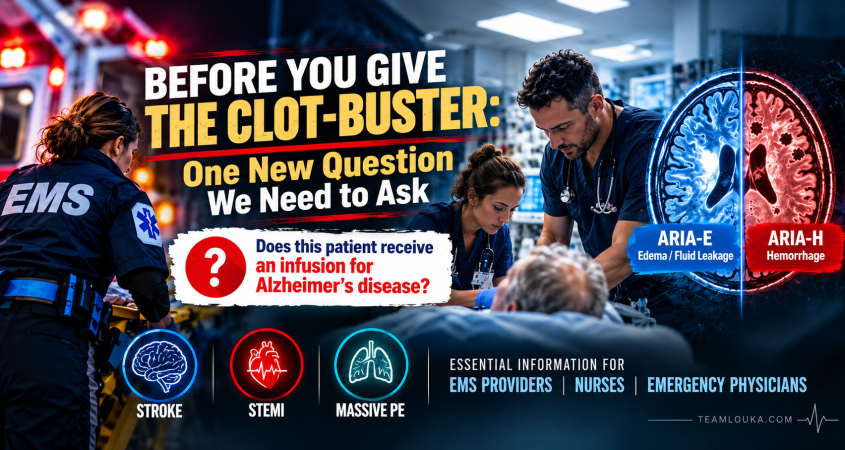
Before You Give the Clot-Buster: One New Question We Need to Ask

For years, when evaluating a patient for thrombolytic therapy, emergency clinicians have been trained to ask about blood thinners. There is now another medication history we need to know.

“Does this patient receive an infusion for Alzheimer’s disease?”

That seemingly small question may have major implications for emergency stroke care—and potentially for other emergencies in which thrombolytics are considered.
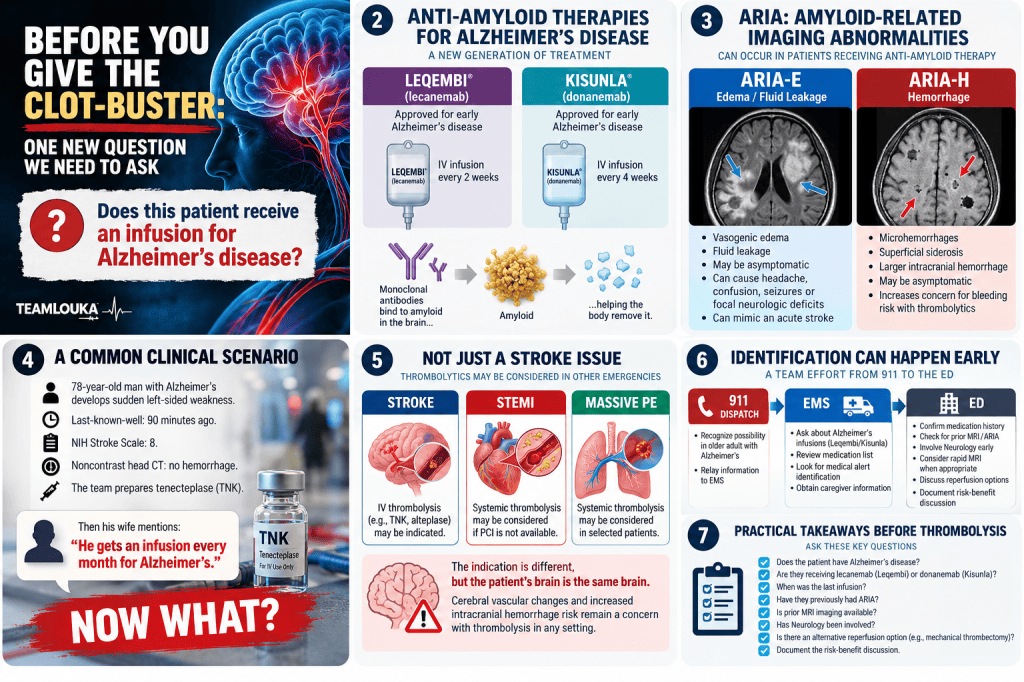
Infographic about considerations for administering thrombolytics in patients with Alzheimer’s disease, featuring details on anti-amyloid therapies and clinical scenarios.

A new generation of Alzheimer’s treatments

Two newer medications, lecanemab (Leqembi) and donanemab (Kisunla), are monoclonal antibodies used to slow the progression of early Alzheimer’s disease. Rather than simply treating symptoms, these drugs target amyloid in the brain and help the body remove it. Impact of Anti-amyloid therapie…

That is an exciting development in Alzheimer’s treatment.

But it creates a new challenge for emergency medicine.

Amyloid doesn’t accumulate only in brain tissue. It can also deposit within the walls of cerebral blood vessels—a condition known as cerebral amyloid angiopathy. Impact of Anti-amyloid therapie…

As anti-amyloid antibodies help clear amyloid, some patients develop ARIA: Amyloid-Related Imaging Abnormalities.

There are two major types:

ARIA-E involves edema or fluid leakage.

ARIA-H involves hemorrhage, including microhemorrhages and other bleeding-related changes.

Most ARIA is asymptomatic, but symptomatic patients may develop headache, confusion, seizures or focal neurologic deficits—the last of which can look remarkably like an acute ischemic stroke. Impact of Anti-amyloid therapie… Impact of Anti-amyloid therapie…

And that creates a potentially dangerous dilemma.

When ARIA looks like a stroke

Imagine this:

A 78-year-old man with Alzheimer’s develops sudden left-sided weakness. His last-known-well was 90 minutes ago. His NIH Stroke Scale score is 8. His noncontrast head CT shows no hemorrhage.

The team prepares tenecteplase (TNK).

Then his wife casually mentions:

“He gets an infusion every month for Alzheimer’s.”

Does that change anything?

It should at least make us stop and investigate. Impact of Anti-amyloid therapie…

Patients receiving anti-amyloid therapy may have underlying cerebral vascular changes that aren’t apparent on a routine noncontrast CT. ARIA is evaluated with MRI, and administering a thrombolytic to a patient with vulnerable cerebral vasculature may increase the risk of catastrophic intracranial hemorrhage. Fatal hemorrhages following thrombolysis have been reported in patients receiving anti-amyloid therapy. Impact of Anti-amyloid therapie… Impact of Anti-amyloid therapie…
Close-up portrait of an elderly man with white hair and a slight smile, wearing a checked shirt.

So are thrombolytics contraindicated?

This is where things get complicated.

There is not yet one universally adopted protocol. Recommendations differ, and practices can vary between institutions and even clinicians.

The American Heart Association Stroke Council has advised avoiding thrombolytics in patients receiving anti-amyloid immunotherapy until safety data are available. Published appropriate-use recommendations for donanemab recommend against IV thrombolysis without a pretreatment MRI unequivocally excluding ARIA. FDA guidance also emphasizes considering whether focal neurologic symptoms could actually represent ARIA-E before thrombolytic treatment. Impact of Anti-amyloid therapie…

That doesn’t mean we stop treating stroke.

It means we need to know who is receiving these drugs before making a time-critical reperfusion decision.

Mechanical thrombectomy may still be an option for appropriate patients. Neurology consultation, review of previous imaging and, when appropriate and feasible, rapid MRI may become increasingly important pieces of the emergency stroke pathway. Impact of Anti-amyloid therapie…

This isn’t only a stroke issue

Thrombolytics aren’t exclusive to stroke.

Consider a patient with a STEMI presenting somewhere without immediate PCI capability. Or a patient in shock from a massive pulmonary embolism.

Systemic thrombolysis may enter the discussion in either situation.

The indication is different, but the patient’s brain is the same brain.

The possibility of vulnerable cerebral vasculature and intracranial hemorrhage doesn’t disappear simply because we’re giving the thrombolytic for a heart attack or pulmonary embolism instead of a stroke. Impact of Anti-amyloid therapie…

The practical takeaway

We have spent decades teaching clinicians to look for anticoagulants before giving thrombolytics.

Now we need to recognize another category of patient: someone who may have unusually fragile cerebral vasculature because of Alzheimer’s disease and anti-amyloid treatment. Impact of Anti-amyloid therapie…

For EMS and emergency clinicians, the medication history needs to evolve accordingly.

When an older patient with Alzheimer’s or cognitive impairment presents with a possible stroke—or another condition in which thrombolysis may be considered—ask specifically:

  • Do they receive an infusion for Alzheimer’s disease?
  • Is it lecanemab/Leqembi or donanemab/Kisunla?
  • When was the last infusion?
  • Have they previously had ARIA?
  • Is prior MRI imaging available?
  • Has Neurology been involved before thrombolysis is given?

My ED checklist also includes considering alternative reperfusion options and documenting the risk-benefit discussion. Impact of Anti-amyloid therapie…

This information needs to be identified before the patient reaches the point of a thrombolytic decision whenever possible. That means educating not only emergency physicians, but also dispatchers, EMS clinicians, nurses, neurologists, cardiologists, radiologists—and patients and caregivers themselves.
A young woman and an elderly woman standing together on a beach, looking at the ocean. The elderly woman has short grey hair and is wearing a striped shirt, while the young woman is in a gray t-shirt and blue jeans. They are embracing each other, sharing a moment of connection.

One question worth remembering

Anti-amyloid medications represent an important advance in Alzheimer’s treatment. But as these therapies become more common, their effects will increasingly intersect with emergency care.

We don’t need every EMS clinician or emergency physician to become an expert in Alzheimer’s immunotherapy.

We do need them to recognize the medications.

So the next time you’re evaluating a patient with Alzheimer’s disease for thrombolytic therapy, don’t stop after asking about Eliquis, Xarelto or warfarin.

Ask about the Alzheimer’s infusion.

That one piece of medication history could fundamentally change the next decision you make.

~Steph
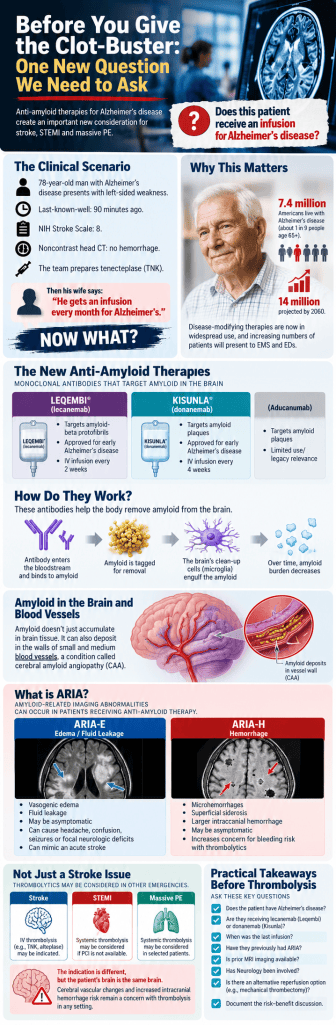
Infographic discussing considerations for administering clot-busting drugs in Alzheimer's patients, featuring information on new anti-amyloid therapies, their mechanisms, and associated risks.

Rwanda Day 10/11: Reflections on Rwanda

January 30/31, 2018

This morning we returned to the Lemigo Hotel for the last day of the trauma course taught by the students we trained last week. It was again inspiring to see these new educators helping to expand SAMU and improve trauma care throughout Rwanda. The goodbyes were difficult knowing I won’t likely come back to Rwanda. My husband, Amir, will hopefully be making the next trip towards the end of April if things go as planned. I’m excited for him to meet these wonderful people and share some of the same moving experiences. Travel is something we love to do together. In this case we are both sharing a travel experience, just 3 months apart.

The end of a trip is always a time for reflection. Interestingly, my goals in keeping this daily travel journal have expanded since I first started. Day 1 I was trying to capture my observations for the benefit of my own memory and perhaps to help educate my daughter. But what I found through the power of social media, was that the audience wanting to learn about Rwanda, SAMU and the efforts by VCU was much larger. As each day drew to a close, and I struggled to do justice to the beauty and energy of Rwanda with my photos and writing, I somehow received more feedback, more questions, more people engaged in learning about this unique place.

In full disclosure, I have chosen to make some edits to my earliest posts. As I learned more about the culture, tradition and pride of Rwandans, I realized that as a guest invited to their country, I wasn’t always respectful of that invitation. I haven’t written anything untrue, just adjusted my perspective and henceforth my words. Trust is a difficult thing for Rwandans (as expected when neighbors turn on neighbors), and I just want to give it due respect.

IMG_1418 (1)

One of my major goals both personally and professionally was to understand Rwanda’s EMS system. I’ve written much about the training, equipment and staffing, but only briefly mentioned how their 912 (911) system functions. Mobile phones aren’t widely available in rural areas of Rwanda. The country has designated a team of laypeople as citizen responders throughout these regions. When someone requires 912, they often do not have a phone with which to call. Instead, they physically go to the citizen responder who does have a mobile and that person dials 912. As described in my Day 2 post, the call is answered by one to three individuals (staffing is variable) who have a single mobile phone that rolls to a single backup should the first be busy. Calls are tracked in an Excel spreadsheet where data is manually entered and then the information ultimately filed away by day. Ambulances do not call the hospital directly, rather they call the 912 dispatcher to provide their patient report. This can be problematic for many reasons. The 912 dispatchers vary in their medical training, anywhere from no medical training to Nurse Anesthetist. So, it is possible that a patient report could be called to a dispatcher without medical training, who then has to call the charge nurse at the receiving hospital to relay that information. It’s literally the telephone game.

Additionally, there is no formal process for online medical direction. Since the ambulances don’t speak with the nurses or doctors at the hospital, they can’t easily call and ask them questions or request orders. In speaking with many of the SAMU staff, often individual providers will have relationships with certain doctors and happen to have their mobile number. One nurse anesthetist described a case where a man had suffered a spinal injury during a motor traffic accident (MTA). On physical exam, he had an obvious step-off deformity of his thoracic spine and no movement in his lower extremities. Unclear how to safely immobilize him given the severity of the step-off, she dialed up the Neurosurgeon directly for guidance.

Everyone I spoke to had at least one story where they called a doctor directly to ask a question. But, if you are new or just don’t know the right specialist, you are on your own. Given the severity of injuries and frequency of polytrauma in this system, I feel bad these guys are out there doing it on their own, without the support of online medical direction. It’s a testament to their professionalism and ingenuity that they can do what they do without that support. The good news is that in speaking with the SAMU leadership, dispatching, online medical direction and protocols are a top priority for development. There are plans in place for SAMU to borrow best practices in dispatching from the Richmond Ambulance Authority, and work is underway to modify the ODEMSA protocols to fit the needs and challenges of Rwanda. After all, if you’ve seen one EMS system you’ve seen one EMS system.

IMG_0558

Somewhat off-topic but of interest (at least to me), is the continuing education (CE) process for medical staff at all levels in Rwanda. Just like the US, Rwanda has category 1 and 2 requirements, with credits granted in 1 hour time blocks. Ahead of our trip, Dr. Sudha spent significant time working with the Ministry of Health to ensure our Trauma Care Course met all continuing education requirements for the nurses, nurse anesthetists and doctors taking our course. After passing the final exam for the course, students received a certificate of completion and an official government stamp in their CE books. The Medical, OB/Neonatal and Pediatrics courses the team will return to teach later this year will also count towards CE for the SAMU staff. Now if only it counted for physician or EMS CE for me.

Lastly, there’s something that’s been haunting me since visiting the Genocide Memorial. I’m the first to admit that unlike my husband who can recite dates and motives for every international conflict since the existence of man, I am not a history buff.  Like most, I knew of various genocides throughout history, but I had never taken the time to truly understand how a nation and its people propel towards that tipping point. In visiting the Genocide Memorial, you see how the two ethnic groups at the time in Rwanda, Hutu and Tutsi, suffered under a systemic campaign to pit one group against another and eradicate the Tutsi. It didn’t happen overnight but rather over years.

Propaganda, which as a child of the 80s growing up during the cold war, I thought of as a Soviet, communist tool, filled the radio airwaves and newspapers across Rwanda. In April of 1994, I was finishing my sophomore year in high school. Privileged to attend one of the best public schools in Virginia, my biggest worries were whether or not Pearl Jam was going to break up, and how to best prep for my PSAT. Across the globe in Kigali, someone was importing thousands of machetes and distributing them to the Hutu, all while the government spread a message of hate and violence.

IMG_1236

In one compelling exhibit, the Genocide Memorial features skulls of many of those killed, “hacked by machete” as the plaques read. Nearly all of the skulls have obvious fractures if not complete holes, the consequence of which is obvious, even to the untrained eye. Thousands of Rwandans, including babies and children, died from traumatic brain injury (TBI) during the Genocide. As I rounded this week in the hospital, I couldn’t help but note how TBI (now mostly from MTAs) still plagues this country. I felt like I had PTSD – my mind flashing between the images of the Genocide, heads wrapped in makeshift bandages, and now patients in CHUK, heads wrapped in gauze.

As I expected to be the case, multiple people I met on this trip lost multiple loved ones during the Genocide. I’ve deliberately not told those stories by request for privacy, but please know that they are real. How someone can survive a Genocide, recover from losing nearly every member of their family, and then devote their lives to helping others… it’s overwhelming to think about.

I am leaving Rwanda feeling honored. Honored to teach such resilient and passionate people. Honored for the opportunity to see and learn about genocide at the Kigali Genocide Memorial. Honored to have met the survivors themselves – been entrusted with their stories, and seen first hand how you can rise to inspire others, even after you’ve lost all hope.

If you are ever lucky enough to travel to Rwanda, visit the Kigali Genocide Memorial. Head east to Akagera National Park to enjoy the animals. If you see an ambulance or find yourself in hospital, say “thank you” to the staff.  When you meet a Rwandan, don’t ask if they are Tutsi or Hutu. It’s not that it will offend them, but rather it is a waste of your time. Every answer you get, from the President to the street sweepers, will be “I’m Rwandan.”

~Steph


Explore more days in Rwanda:

Rwanda Day 1 | Rwanda Day 2 | Rwanda Day 3 | Rwanda Day 4 | Rwanda Day 5 | Rwanda Day 6 | Rwanda Day 7 | Rwanda Day 8 | Rwanda Day 9

Rwanda Day 9: Seeds to Blooms

January 29, 2018

This morning Jane and I returned to Central University Hospital of Kigali (CHUK) for Rounds and then to give lectures on Event Medicine, MCI and START triage. Here in Kigali SAMU is often called upon to staff everything from high profile international business meetings to football matches with 50,000 fans. They are challenged by short notice for the events, which sometimes leaves little time for planning. Fortunately everyone seems to recognize that Rwanda is growing and becoming more high profile, and with that the need for Event Medicine management increasing.

IMG_1324
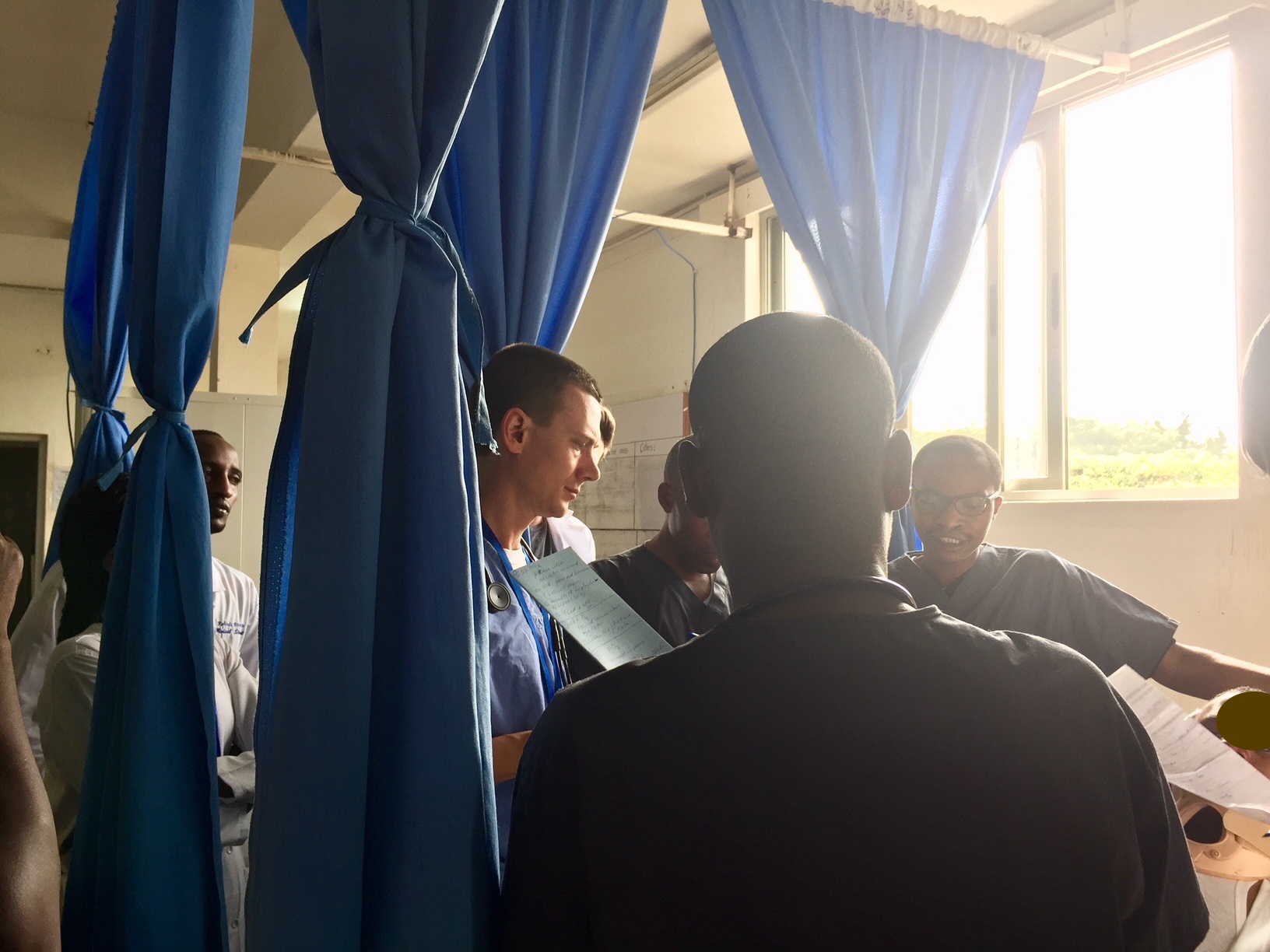
Dr. Noah and the team see patients on Rounds

IMG_1326
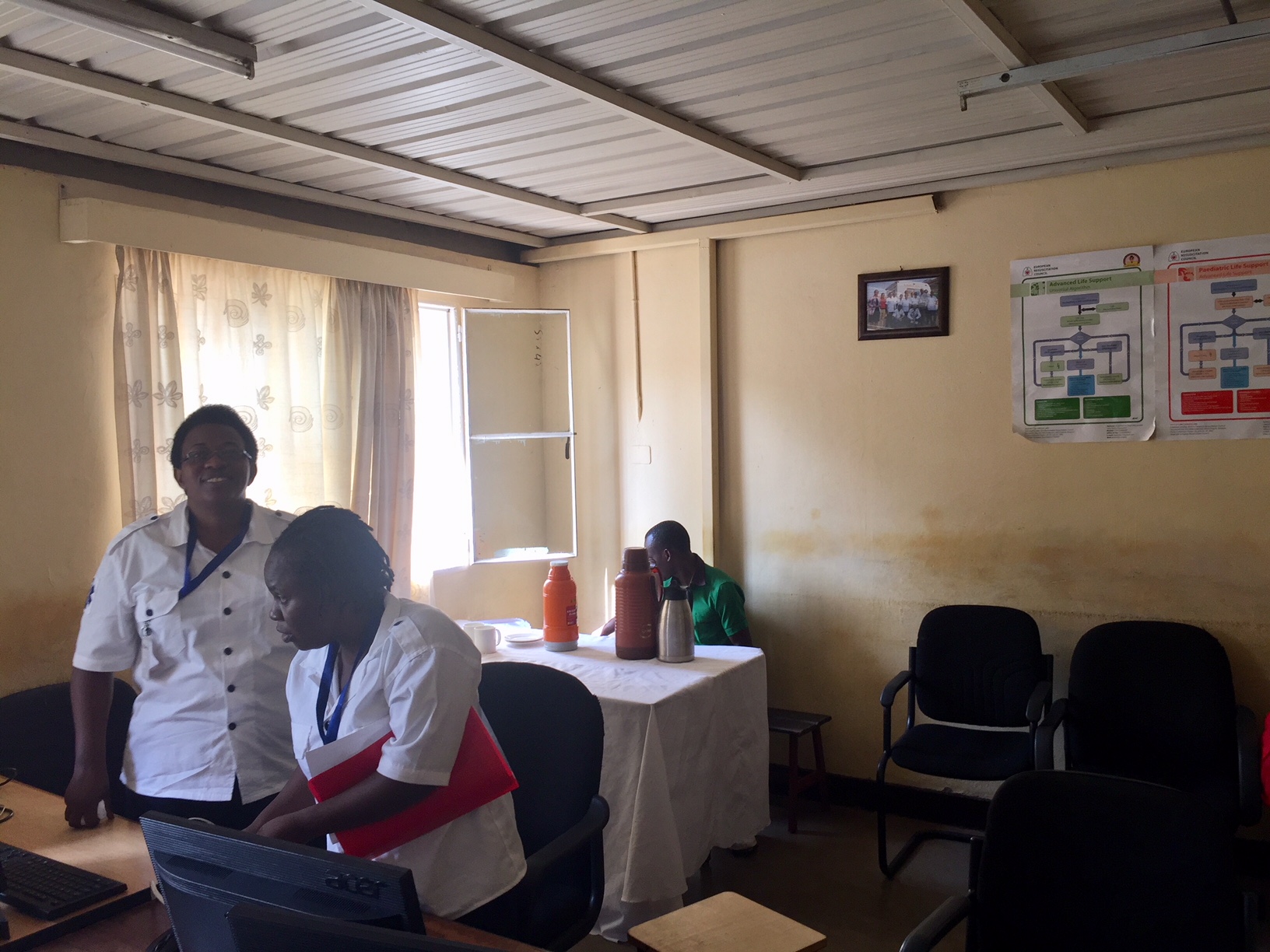
Coffee and tea at the ready in the SAMU office – a sign of a well-prepared EMS agency

The lectures were well received, probably because we started by passing out Toblerone chocolate bars Dr. Sudha bought in the Amsterdam airport. Free food at a meeting or lecture is universally well received.

IMG_1333
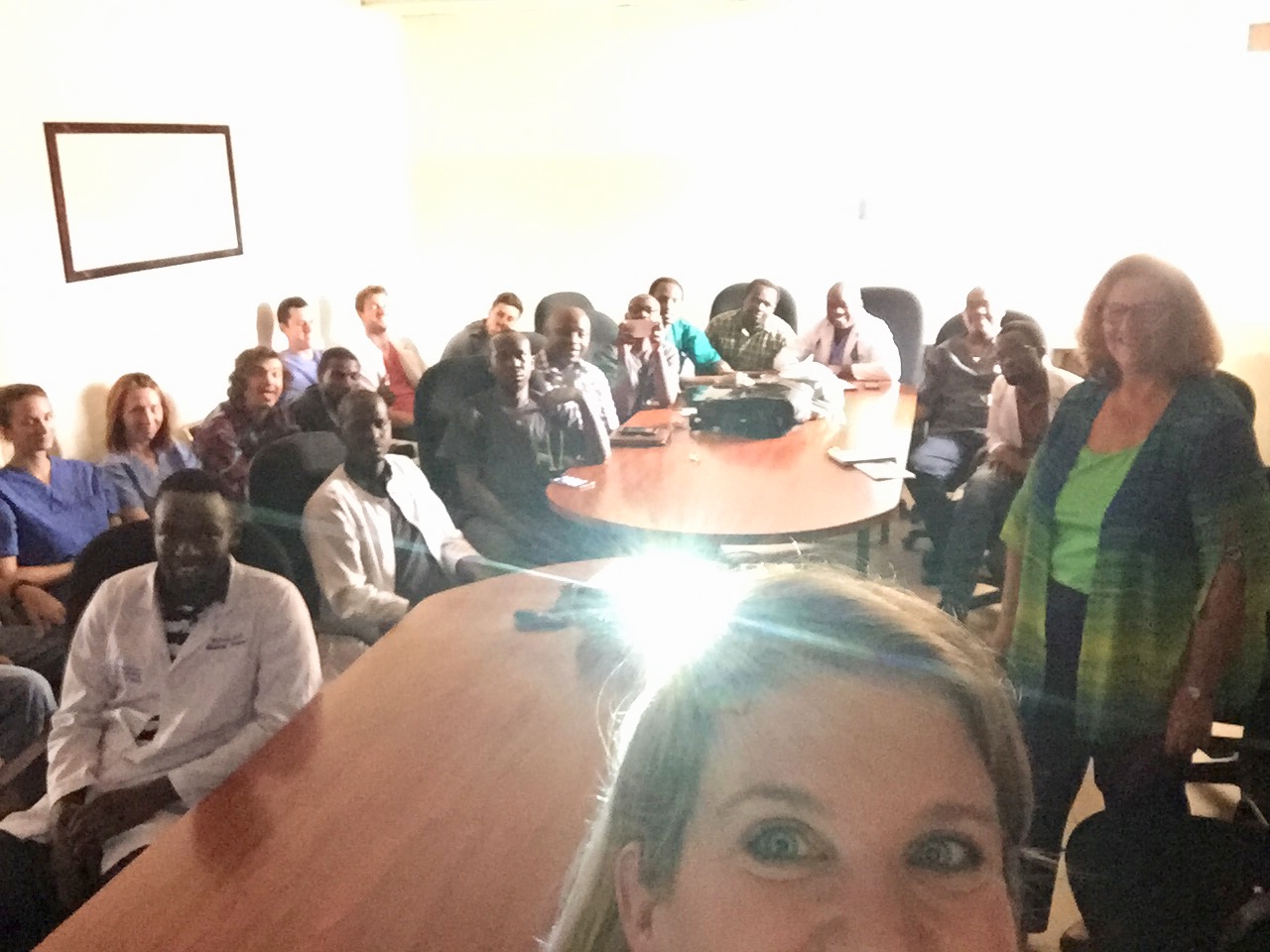
USA far left, Germany back left corner and the rest CHUK ED staff, a diverse crowd discussing Event Medicine this morning.

After lectures at the hospital, Jane and I rejoined Dr. Sudha and Basil at the SAMU Trauma Course. Last week we taught this course to 25 of SAMU’s brightest providers with high potential to be great educators. Friday, Basil taught them fundamentals of medical education in the adult learner. Today and tomorrow, those 25 are now teaching the same course to 25 more SAMU staff from district hospitals all over Rwanda.

The change can be felt already. Yes, the test scores were significantly improved last week, but more importantly, the SAMU staff have already incorporated their trauma training into their regular practice. While at CHUK this morning, the residents told us that SAMU was no longer performing reductions on extremities with intact pulses. The residents asked for clarification so that everyone would be on the same page. The change in practice was apparent to the hospital staff.

Sitting back and watching these instructors teach was quite inspiring. Just a few days ago, they too were uncertain and had only a fragile confidence. The preparation they invested over the weekend was obvious. Switching between three languages to ensure they are meeting the needs of all students, they delivered the content with enthusiasm and grace.

It’s a good thing these new instructors are strong, because I can barely follow what they are saying in French or Kinyarwanda. Every few sentences I recognize words or phrases like “stay and play” or “scoop and run.” It’s amusing to discover that some of these expressions are universal no matter where you practice EMS.

One thing I’ve been asking myself is “how important is creating a culture of EMS?” What does a star of life patch signify? How do awards and recognition of heroic calls help motivate providers? In a line of duty death, the traditional funeral exercise that follows…

Are these traditions specific to EMS in the US, or are they something universally necessary to growing and sustaining a productive EMS system? Would SAMU of Rwanda benefit from connecting with other International EMS agencies? How can we help SAMU grow without imposing too many of our own values that may not be what’s right for SAMU. It will be interesting to watch the SAMU staff grow and develop over the next few years. I’ve seen them grow so much just this short week.

IMG_1400.jpg
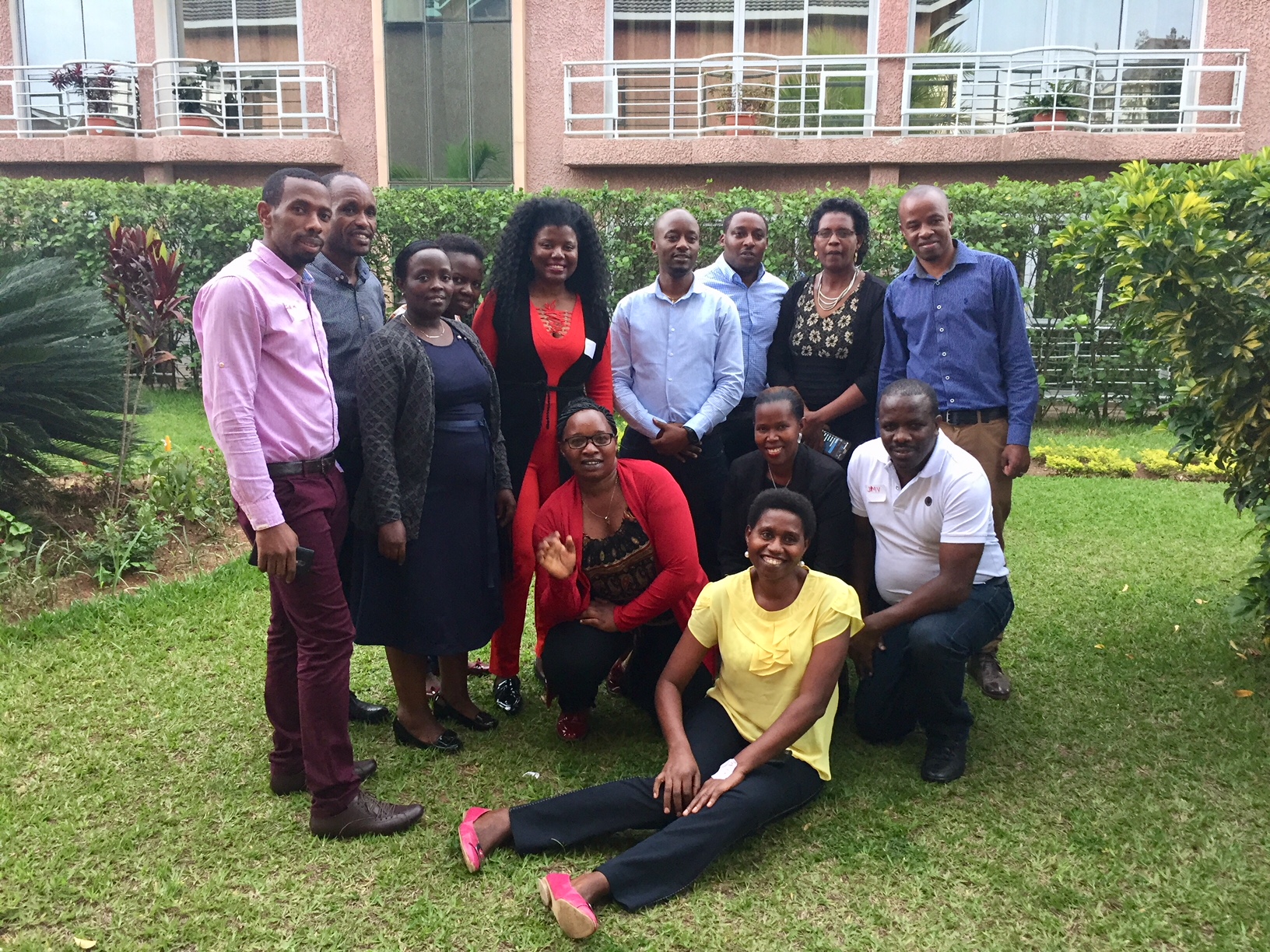
The very first class of course organizers and instructors

~Steph


Explore more days in Rwanda:

Rwanda Day 1 | Rwanda Day 2 | Rwanda Day 3 | Rwanda Day 4 | Rwanda Day 5 | Rwanda Day 6 | Rwanda Day 7 | Rwanda Day 8 | Rwanda Day 9 | Rwanda Day 10/11

Rwanda Day 8: Rest and Recovery

January 28, 2018

Sunday is a day of rest in Rwanda, with most people attending church or mosque and many of the businesses closed. I opted for the same. I’ve been going to bed around midnight each night and waking up between 5:00am and 6:00am each day, so sleeping in was a high priority. Last night I finished typing my safari recap and made a point not to set my alarm. I still woke up at 7:30am.

I threw on some clothes and headed to brunch before showering for the day. I couldn’t resist that morning latte much longer. Our table was much smaller this morning as both Basil and Frank attended local church services with their respective denominations. From the window in my room all morning, I’d been hearing an auditory collage of church bells, choir singers and the Islamic call to prayer, all layered atop the typical sounds of the city.  In an attempt not to over-plan my day, I had committed to nothing, and now found myself with nothing to do all afternoon besides review my lectures.

IMG_1320
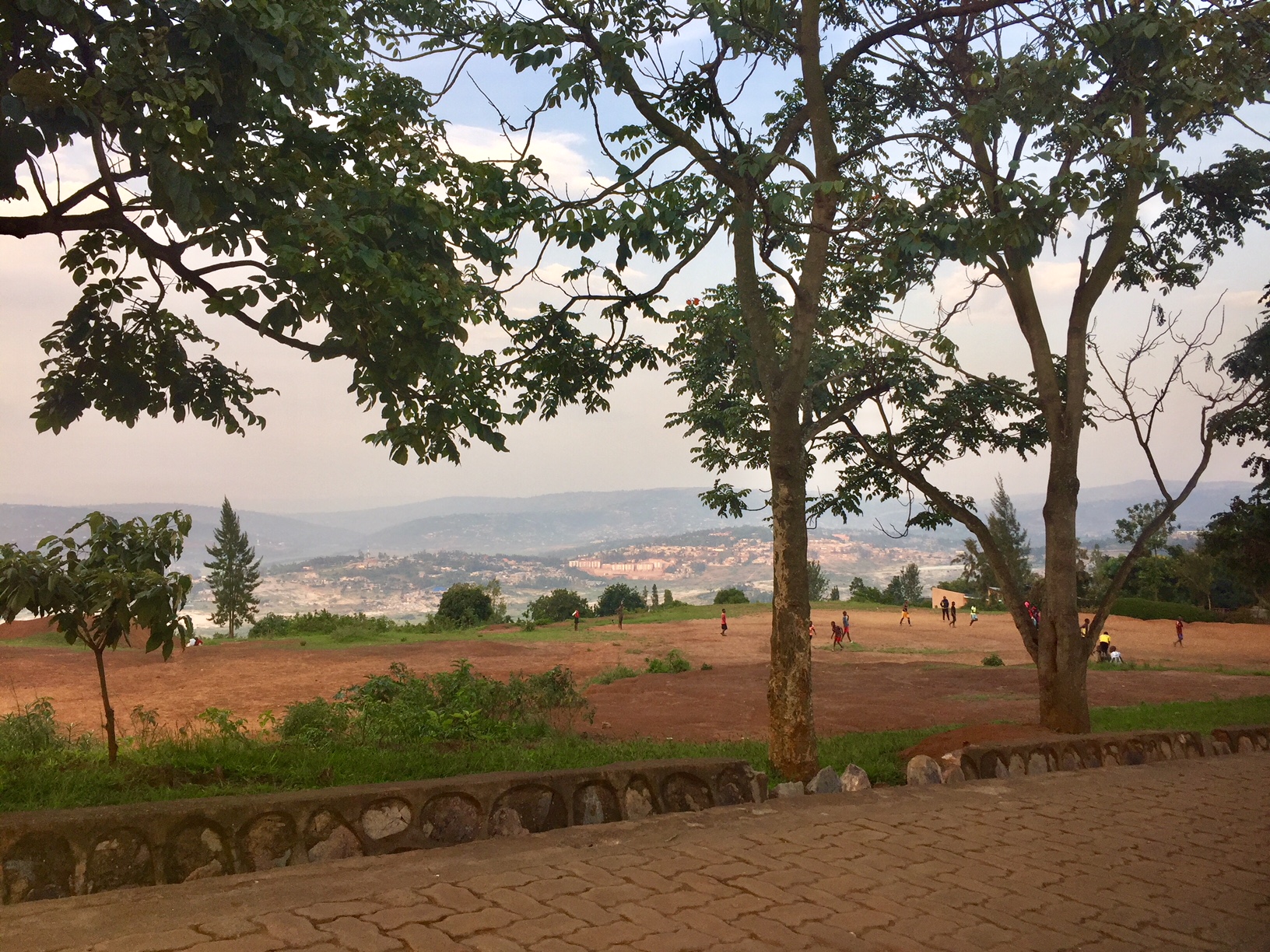
Kids playing football in a field near Kigali

Eric, a student in our course, offered to give me a driving tour of the city. The rest of my team explored the city by taxi earlier in the week, but I had opted to take a nap and missed out. This seemed like a good opportunity. Not to mention I still needed to buy a little something to take back to my husband who has been holding down the fort at home with a sick baby.

Eric is the same age as me, 39. He grew up in a village not far from Kigali, the youngest of 10 brothers and sisters. When “1994 happened” (how he refers to the genocide), he was in art school studying drawing. Eric doesn’t say much about 1994. He’ll tell you he prefers to think of Rwanda’s bright future rather than dwell on the past.

What’s fascinating and admirable about Rwanda is its ability to heal. Years later, with prisons overcapacity and no way to sustain them, thousands of prisoners, convicted of both violent and non-violent crimes, were released back into their communities. For some this meant living next to the person who had killed their family member.

Prior to coming here, I read a great book based on the film “As we forgive,”  which profiles a few of the family members faced with this uncharted challenge. Yet somehow, Rwanda healed. Eric explained that while things were difficult, the government made positive changes that gave people hope. The people started to be able to envision a new future, which helped them heal from the past.

souvenirs-imigongo
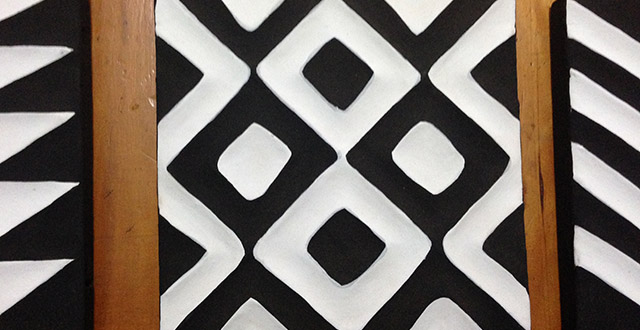
Various B&W patterns can be found on buildings, sidewalks and artwork across Kigali

There’s a palpable energy in Rwanda, as if everyone here knows something big is about to happen. The country is achieving unimaginable successes economically, and is on the radar of multiple multinational corporations as a hidden secret gem of opportunity, about to explode with growth. If I am lucky enough to return in a few years, I’d bet I may not recognize the place, but will still recognize its lovely people.

~Steph


Explore more days in Rwanda:

Rwanda Day 1 | Rwanda Day 2 | Rwanda Day 3 | Rwanda Day 4 | Rwanda Day 5 | Rwanda Day 6 | Rwanda Day 7 | Rwanda Day 8 | Rwanda Day 9 | Rwanda Day 10/11

Rwanda Day 7: Photo Safari at Akagera National Park

January 27, 2018

Fred, our driver and nature guide, arrived to pick us up 10 minutes early at 5:50am.  “Dis is terrible! We must go. Should have been on dee road at 5:30am – will heet so much traffeek!” he proclaimed with annoyance.  Now, it’s Saturday morning and here he was claiming that traffic could be overwhelming but made more tolerable by a 30 minute head start.  “Why’s there so much traffic on a Saturday morning?” I asked.  He explained to me that one Saturday, each month, everyone in Rwanda participates in a day of service, typically cleaning up the streets.  The event brings everyone outside at once, and often leads to increased pedestrian traffic in the roads.

We made excellent time, cutting the 3 hour drive east to Akagera National Park down to just 2.5 hours.  Fred drives this route as many as 5 times a week and just took a group there yesterday.  Established in 1934, the park is roughly 1200 miles of woodland, swamps, low mountains and savannah.  The park used to be much larger, but was reduced in size by about 40% in 1994 after the Genocide.  As refugees returned to Rwanda, the government took land from Akagera and gave it to the refugees for new settlements.

Our vehicle was a classic Toyota Landcruiser with a pop-up metal roof.  It could have seated 6, but we enjoyed the extra space with just 4 of us (Frank stayed back in Kigali as he’s a touch under the weather).  The drive out to Akagera was just what I had been missing.  We’ve spent the entire week in the city and hadn’t yet explored the countryside.  We passed by small but busy villages with people carrying giant yellow plastic water jugs 3 at a time, 300+ pounds of green bananas for the market, piles of sticks the size of a VW… all balanced on top of their heads or on the backs of bicycles.

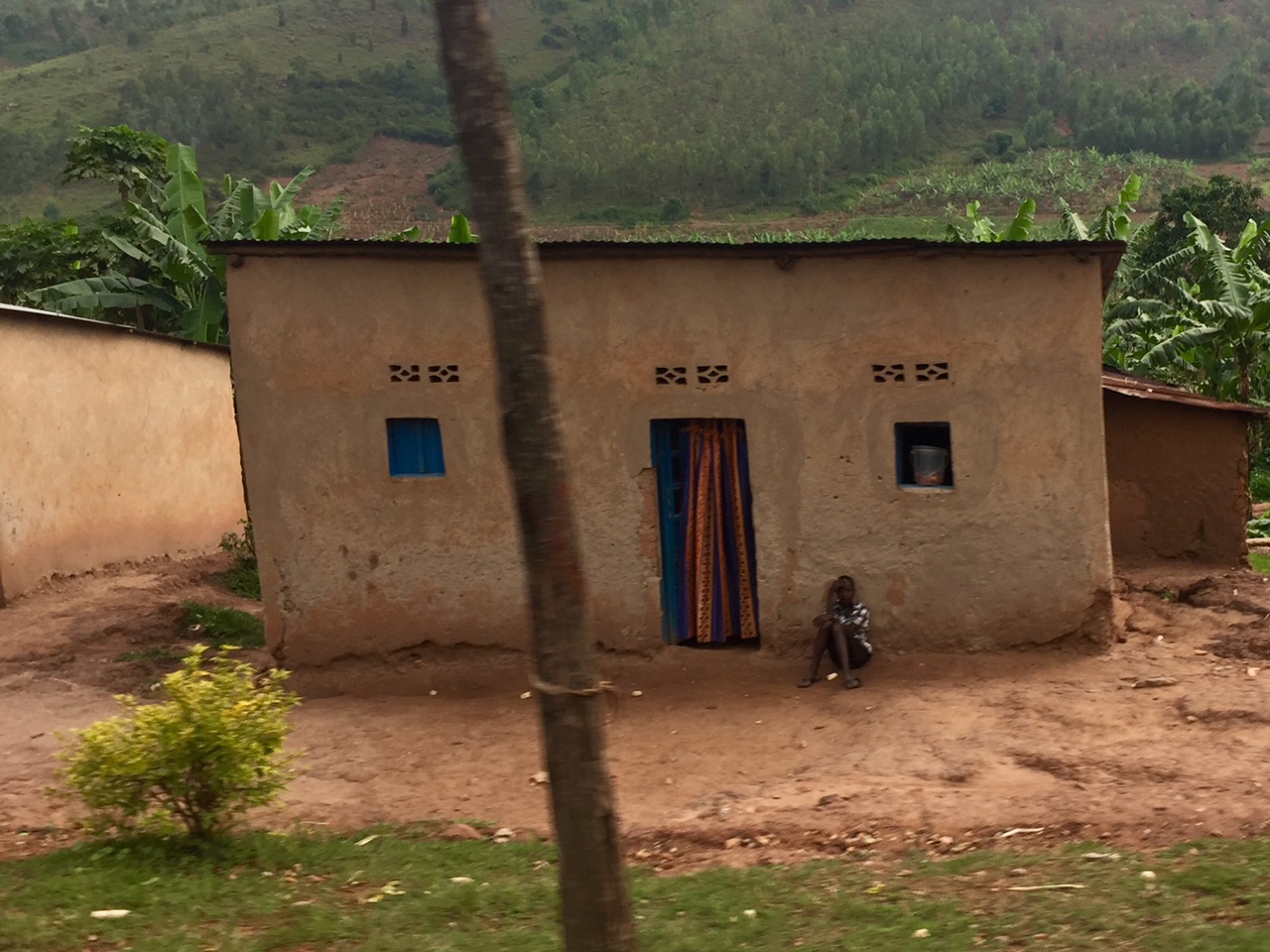
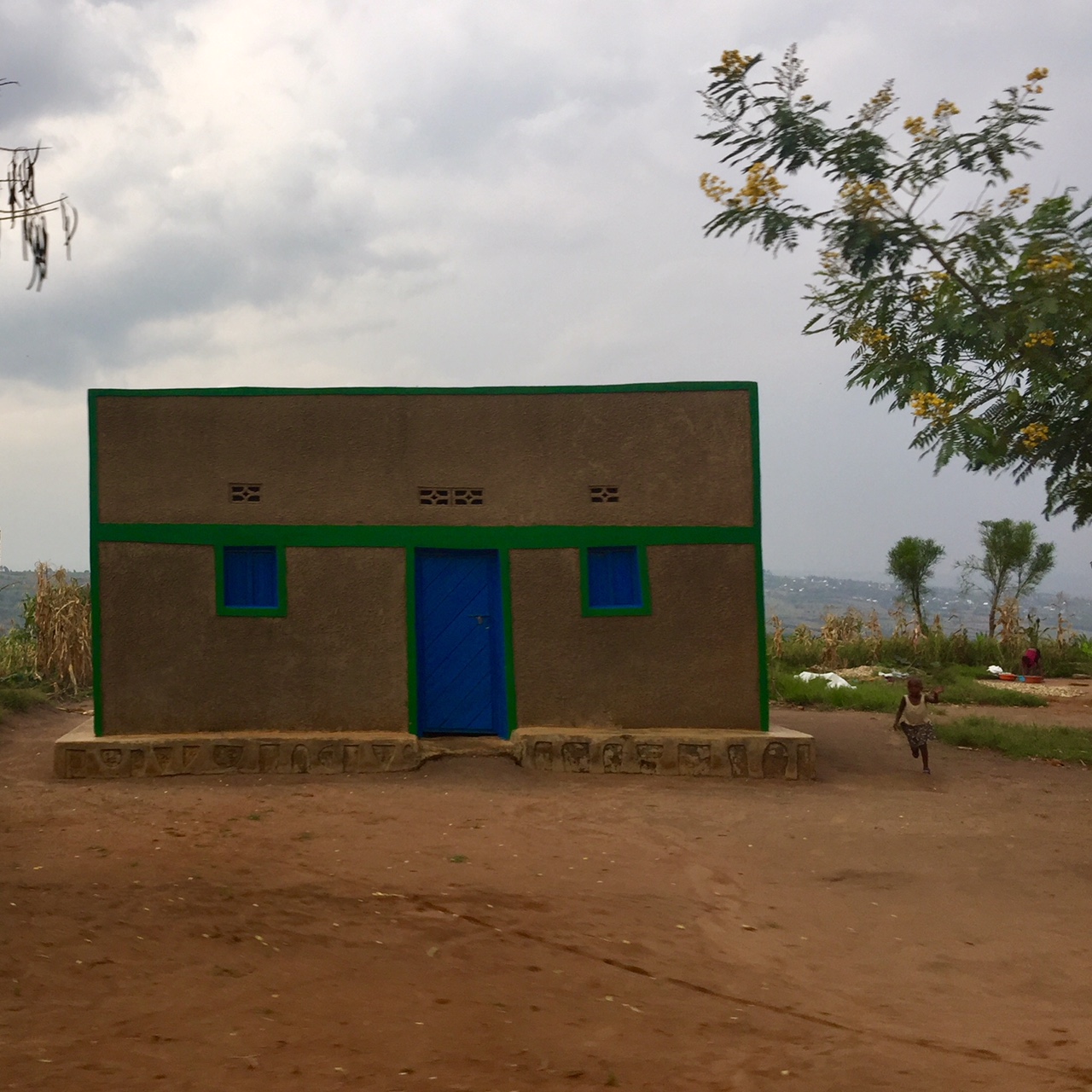
Most houses are simple squares made of bricks or rocks and plastered in clay.  Bright blue front doors seem to be in style.  Children and little goats play in the front yards. Unfortunately the potholes in the gravel road doomed me to take only blurry photos as we sped by.

IMG_1312IMG_1196

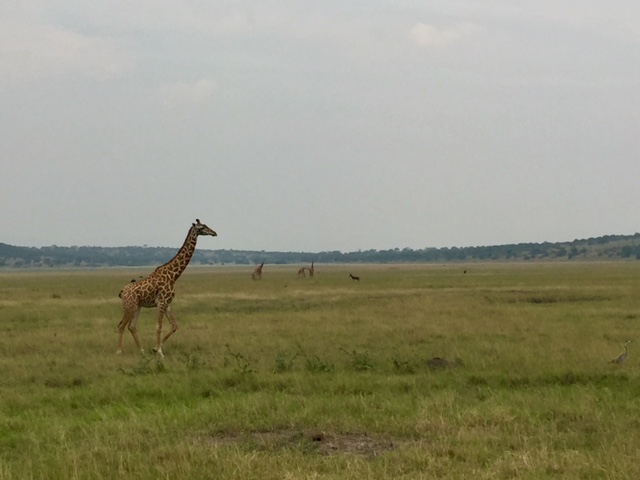
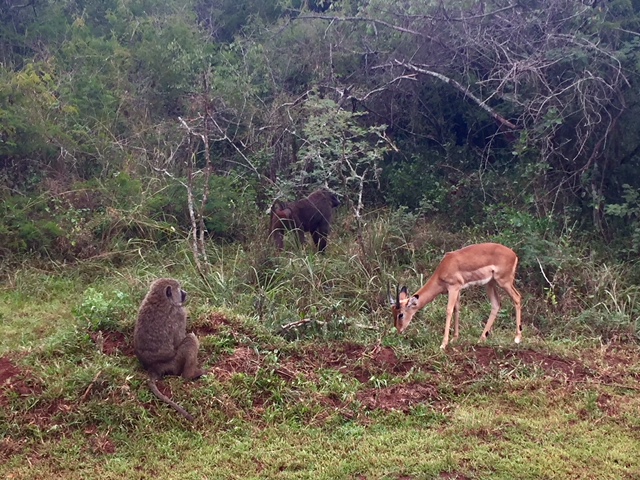
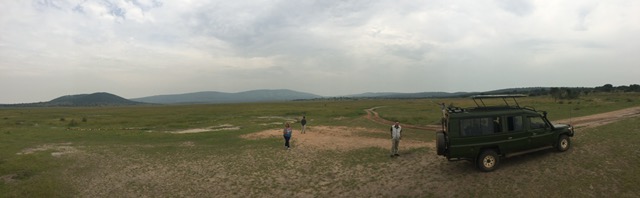
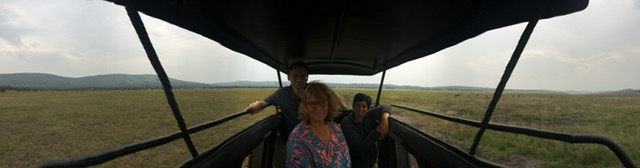
We entered the park just before 9:00am after picking up our picnic lunches for later in the day.  It took less than 5 minutes for the animals to start introducing themselves. The entire day was filled with not just brief sightings, but appearances of multiple species at lengths long enough for close study.  I can’t recap the whole day in words, so I’ll just let the pictures tell the story.

IMG_1089
Giraffes on the savannah

IMG_0863
Baboons hanging out with the Impala

IMG_1102
Stopping to stretch our legs on the savannah

IMG_1077
Basil, Jane and Dr. Sudha

IMG_1039
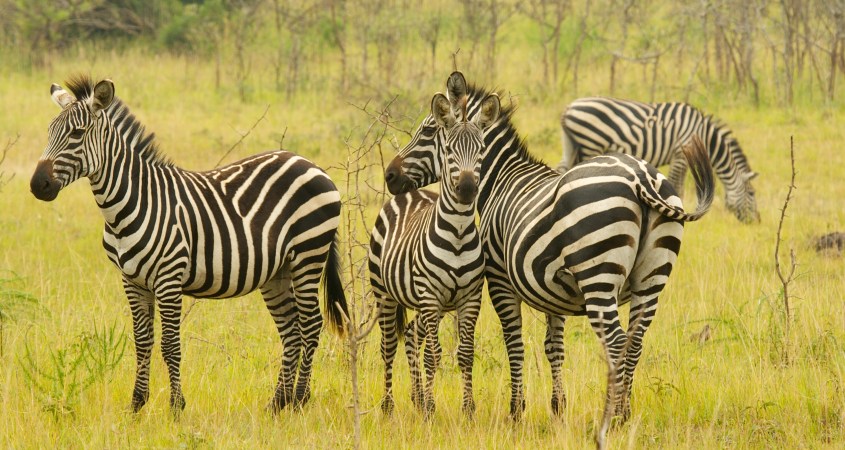
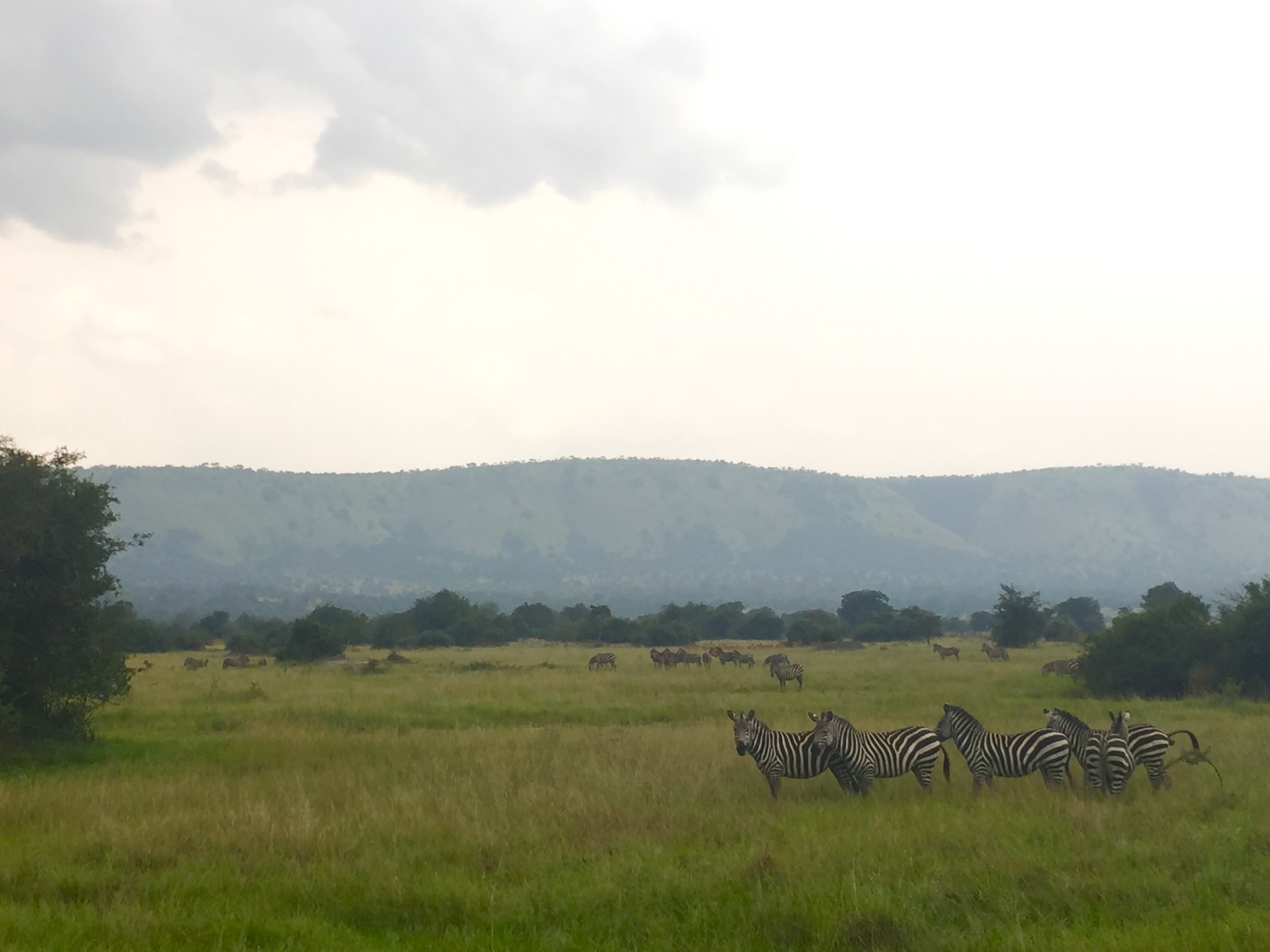
Zebras, plus multiple other friends in the background

~Steph

Explore more days in Rwanda:

Rwanda Day 1 | Rwanda Day 2 | Rwanda Day 3 | Rwanda Day 4 | Rwanda Day 5 | Rwanda Day 6 | Rwanda Day 8 | Rwanda Day 9 | Rwanda Day 10/11