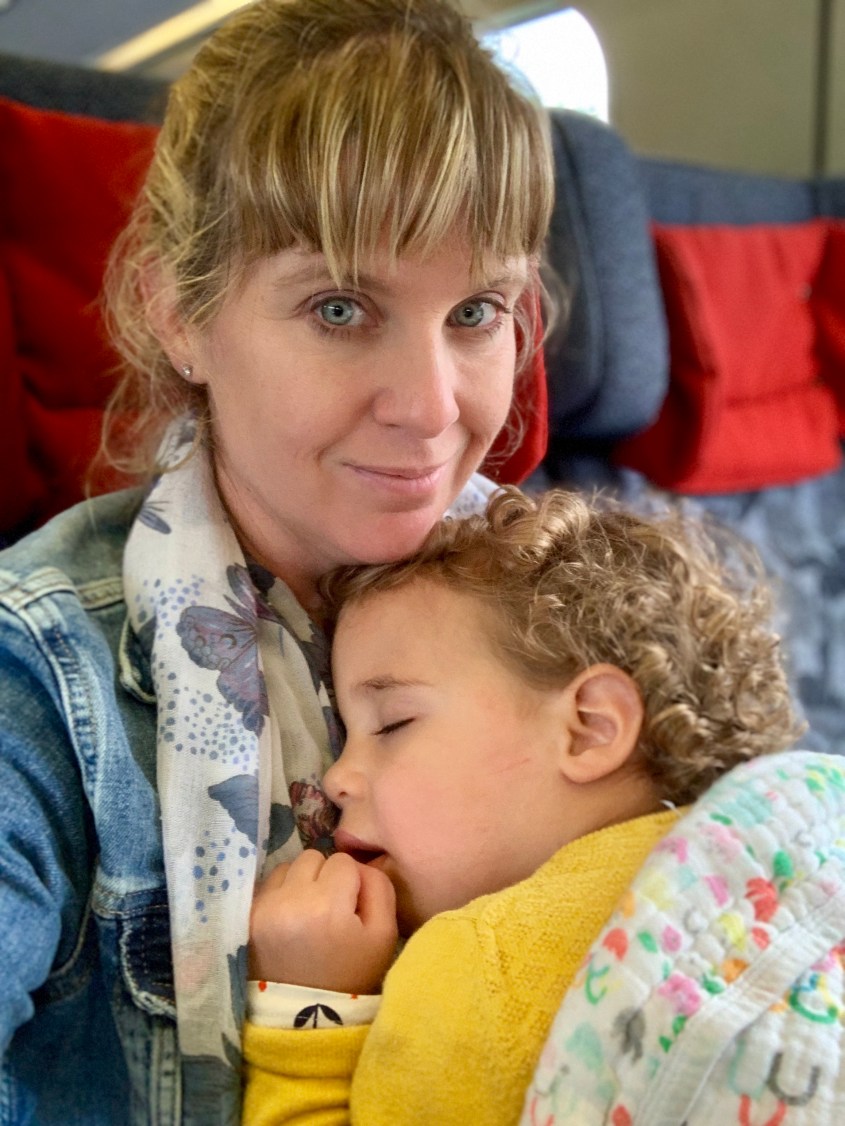
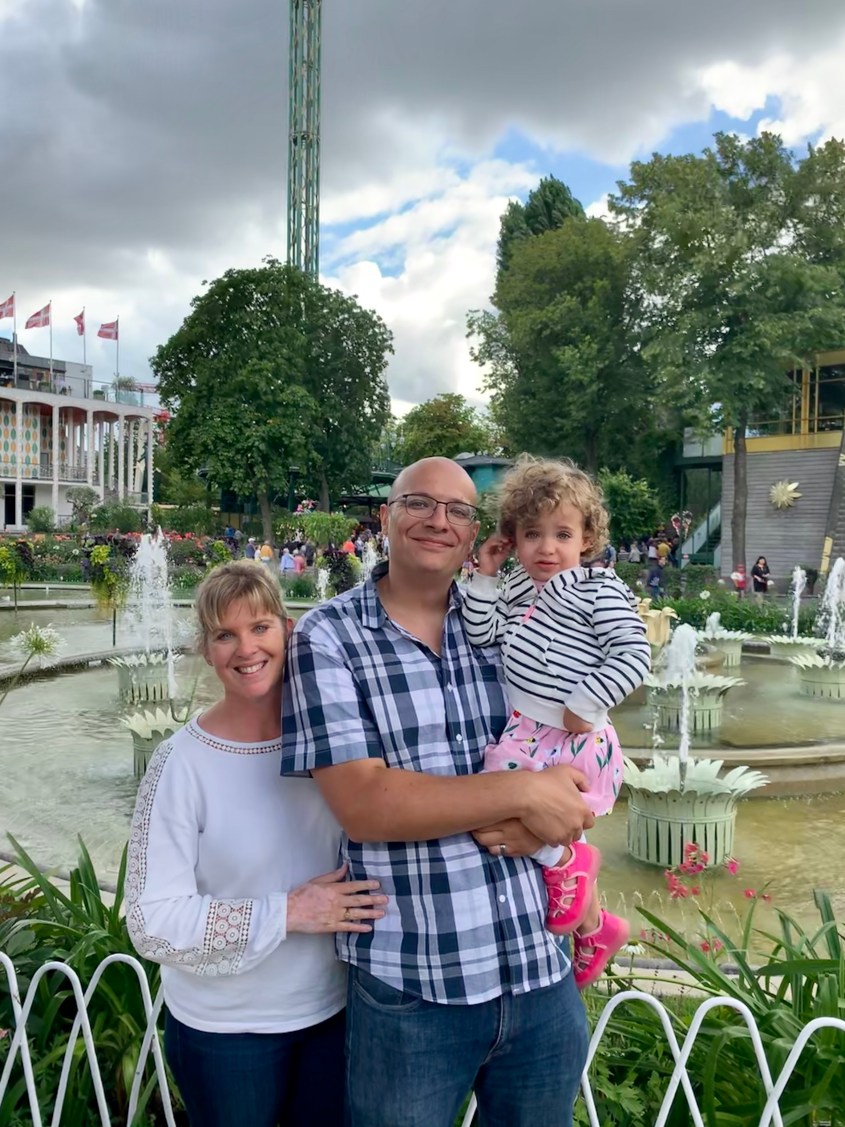
Sadly today was our last full day here in Denmark, but we saved the best for last. Tivoli Gardens, which opened in August of 1843, is the second oldest amusement park in the world (the oldest is also in Denmark).
Image: Visual Maps
We took the train just two stops to get to Tivoli. While the ticket line looked intimidatingly long, it took less than ten minutes to enter the park.
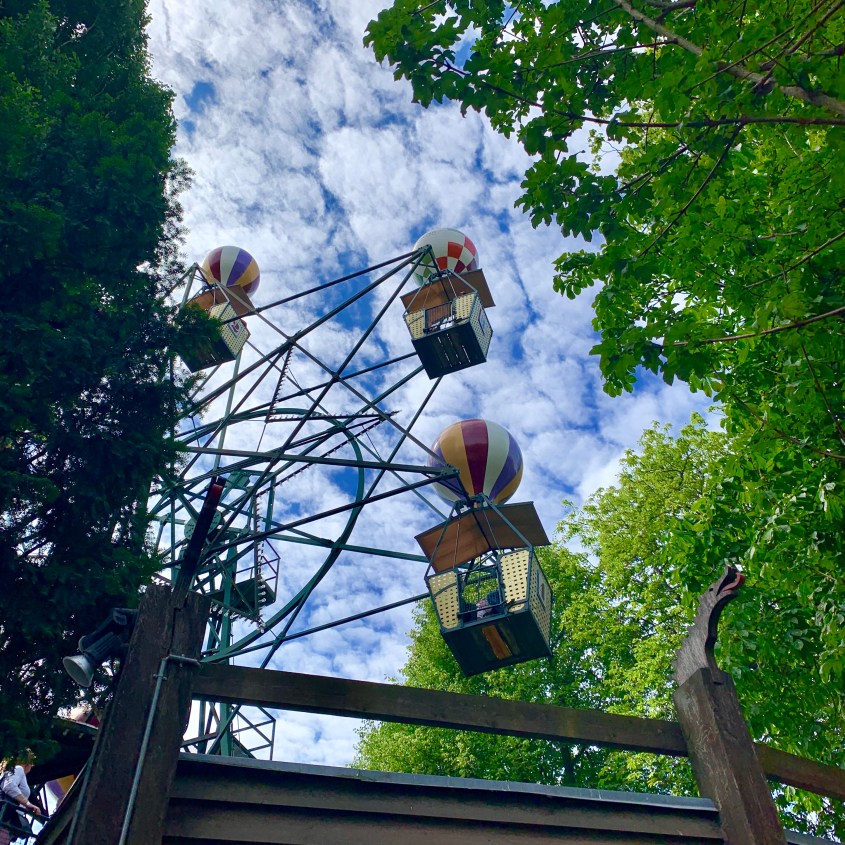
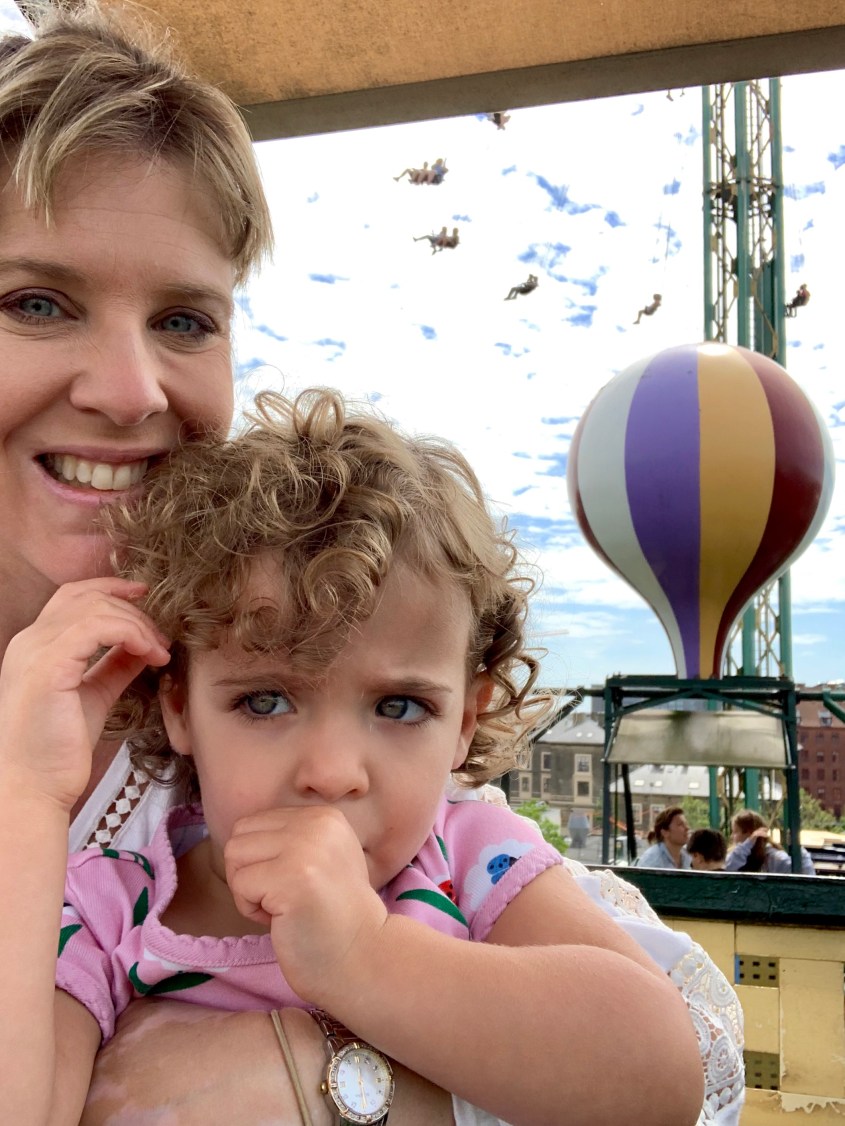
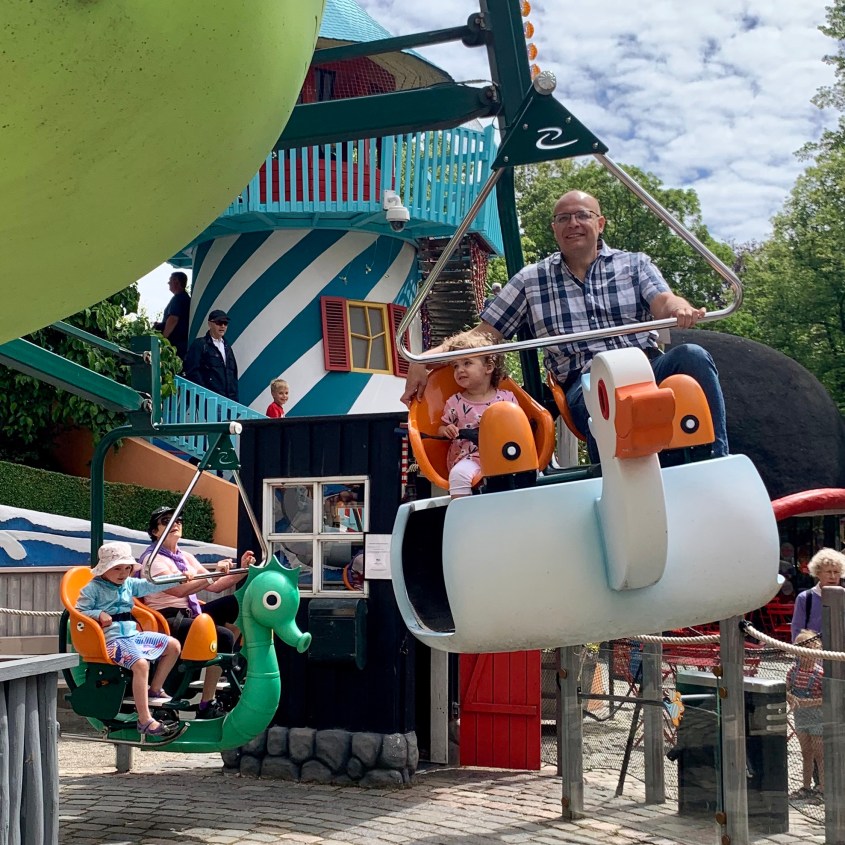
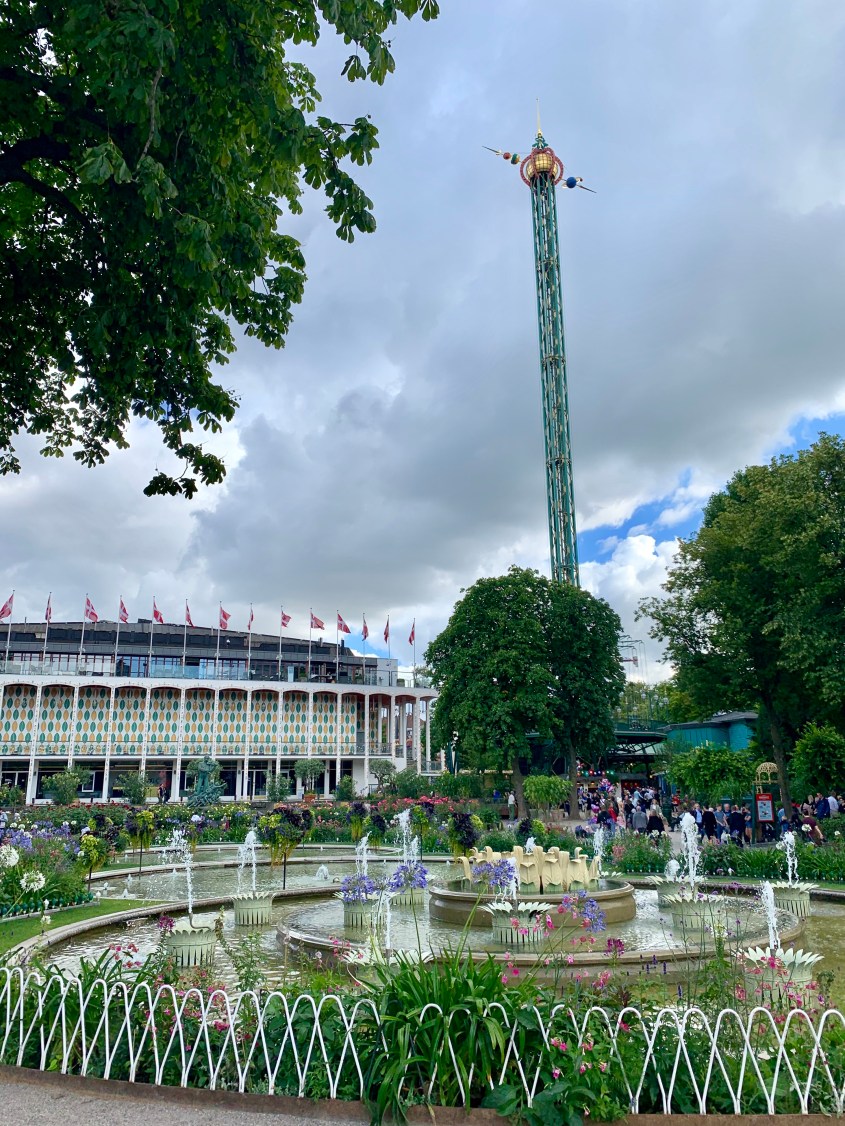
The chair swings in the background
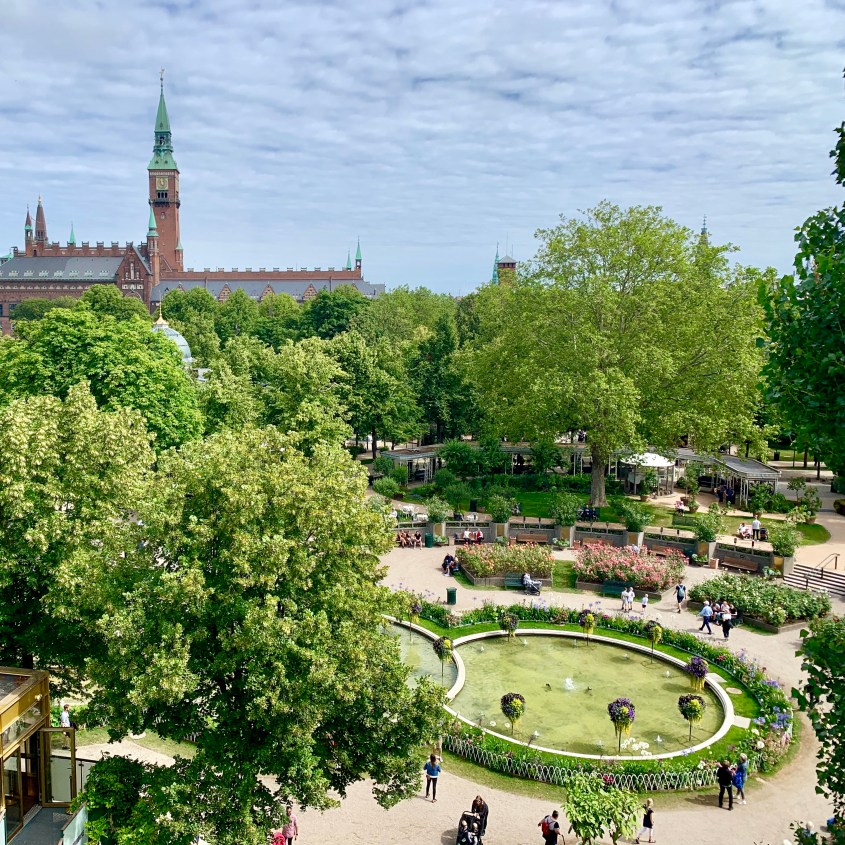
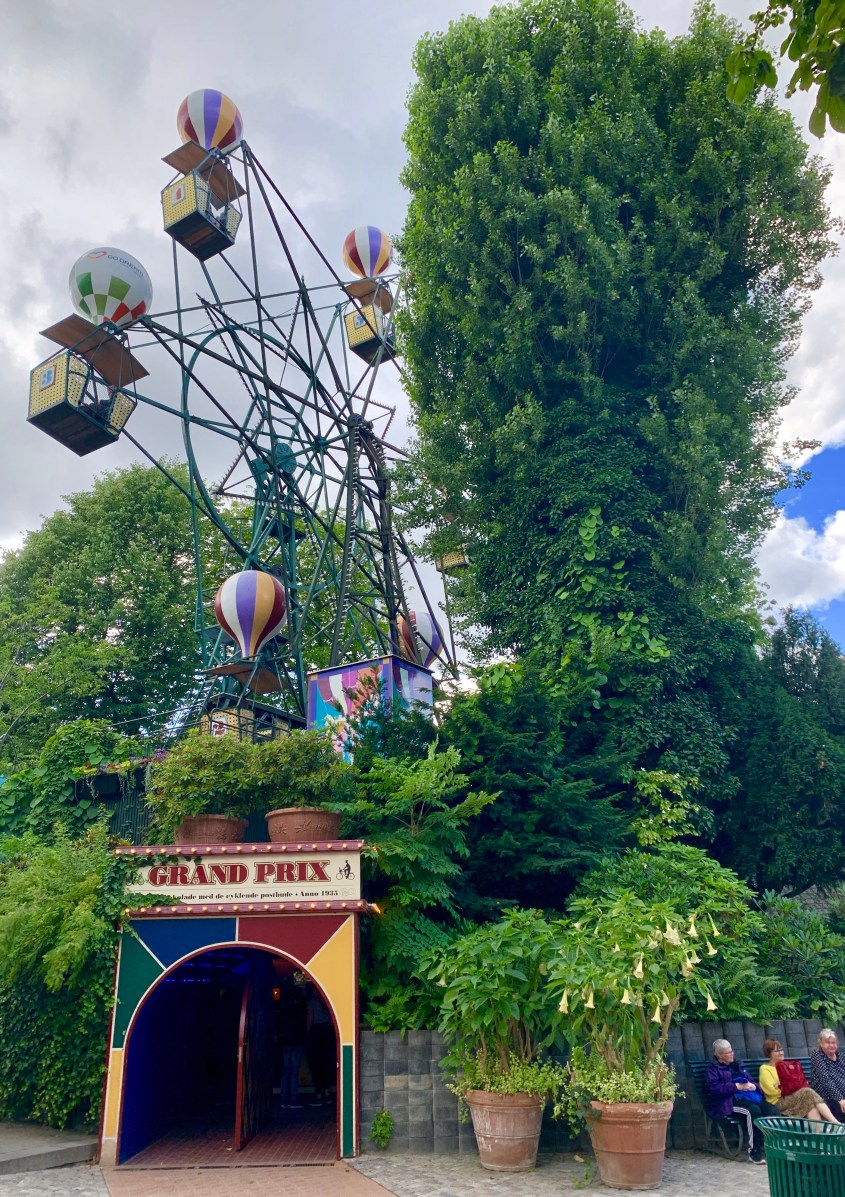
View from the Balloons
It didn’t take long for someone to discover the balloons and coax her dad into buying a huge Peppa Pig balloon.
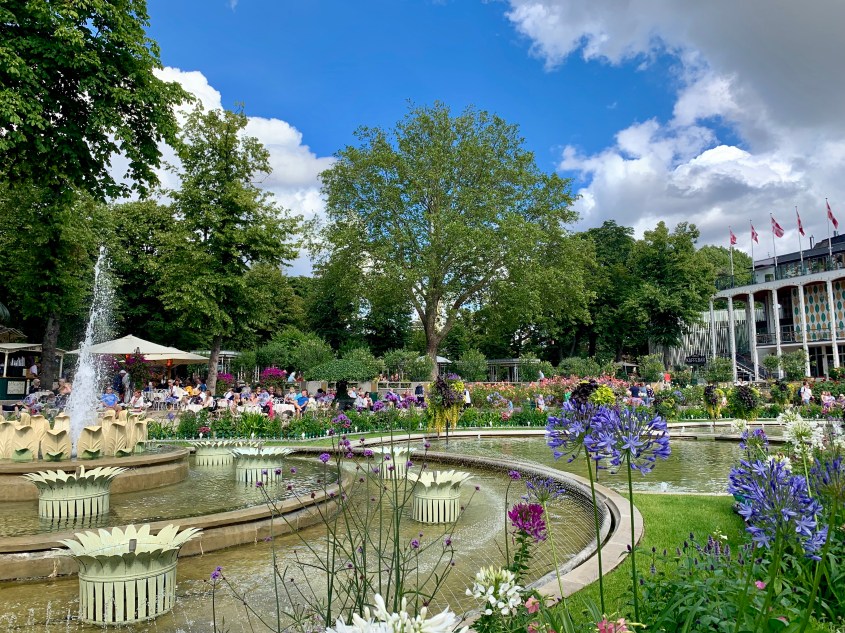
Stopping to check out the fountain on the way to the playground
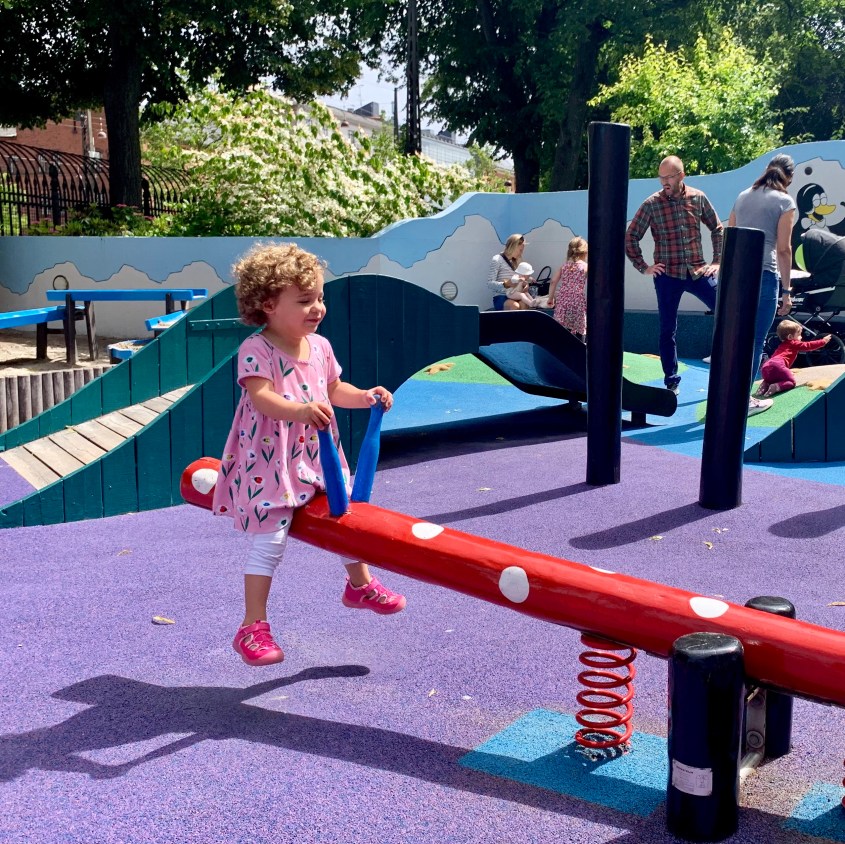
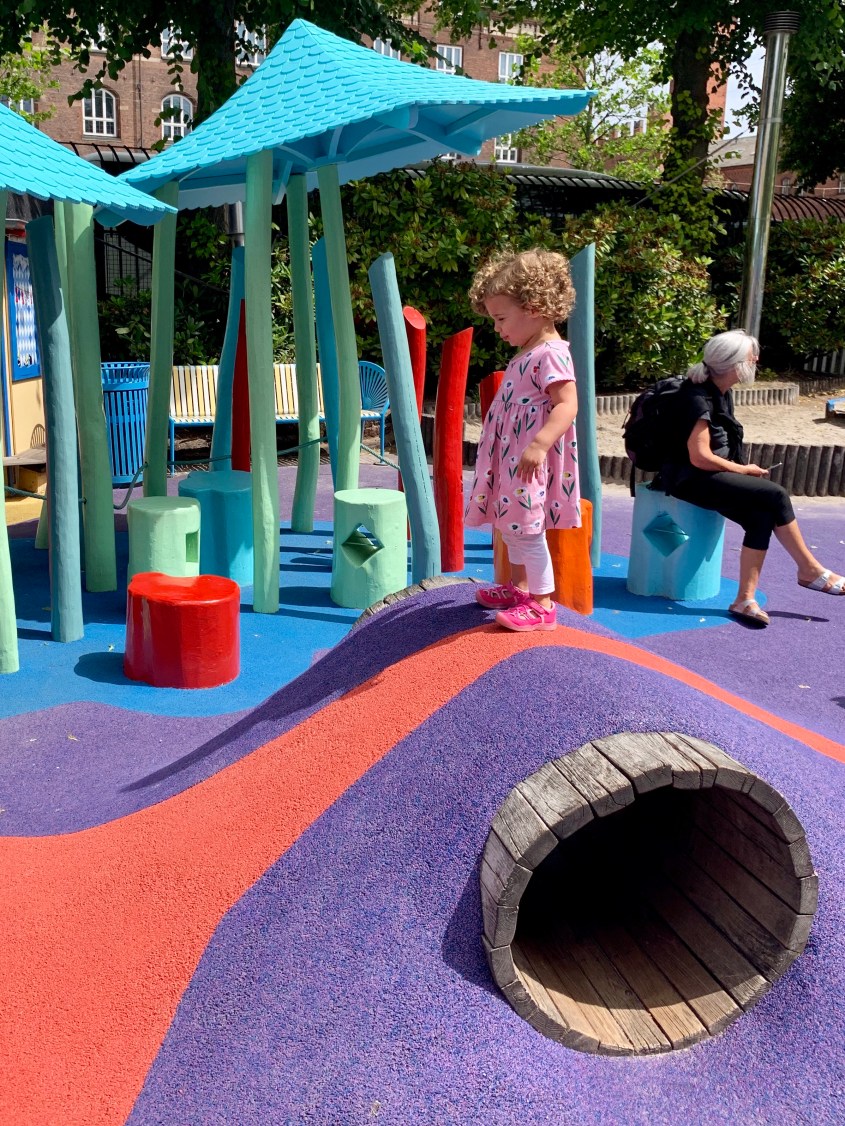
Tivoli has a large play area designed for 2-10 year olds. There are small rides but also rope bridges, climbing structures and seesaws.
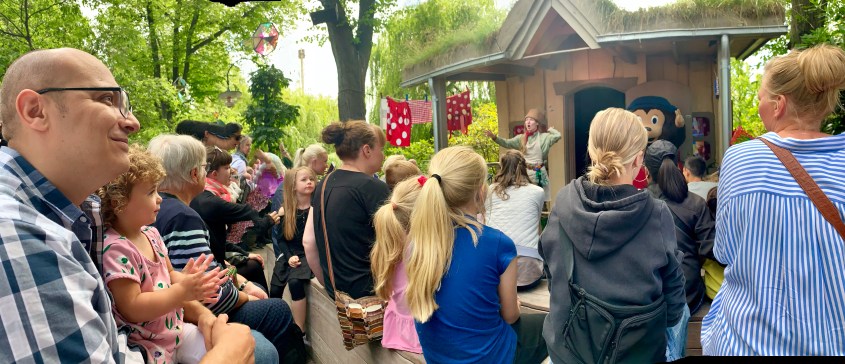
We stopped to watch a small play that just so happened to be starting as we walked by. Although it was all in Danish, #1Toddler laughed at all the jokes.
After the play, we made a B-line for the carousel. Amir wanted to ride a giraffe, but someone else selected the spinning teacup instead.
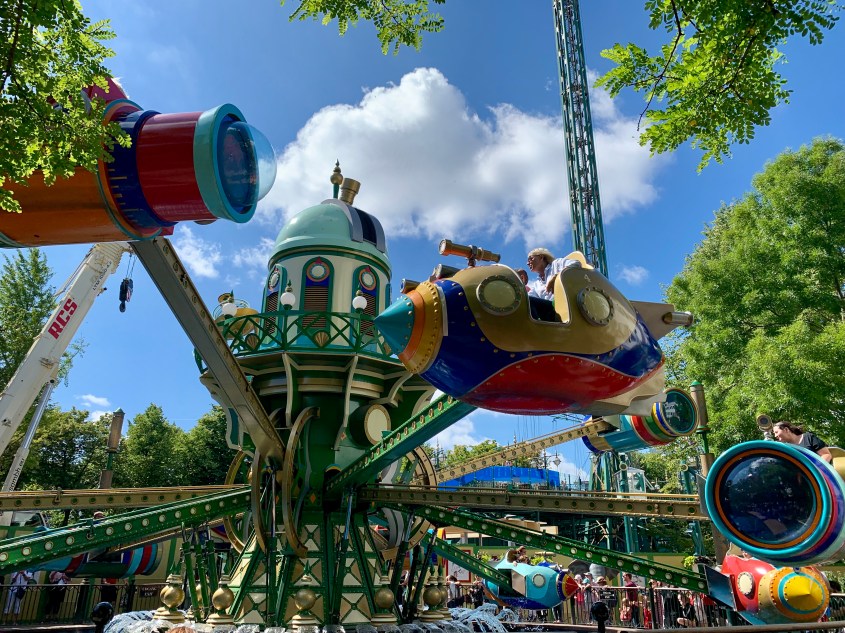
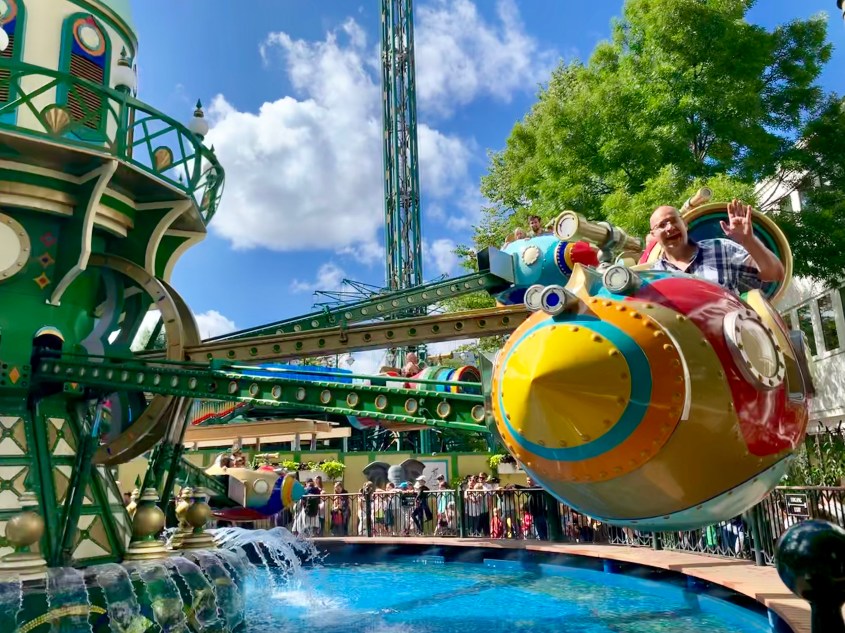
After teacups, we stopped for lunch at the shawarma shack. Recharged, we headed for the rocket ride.
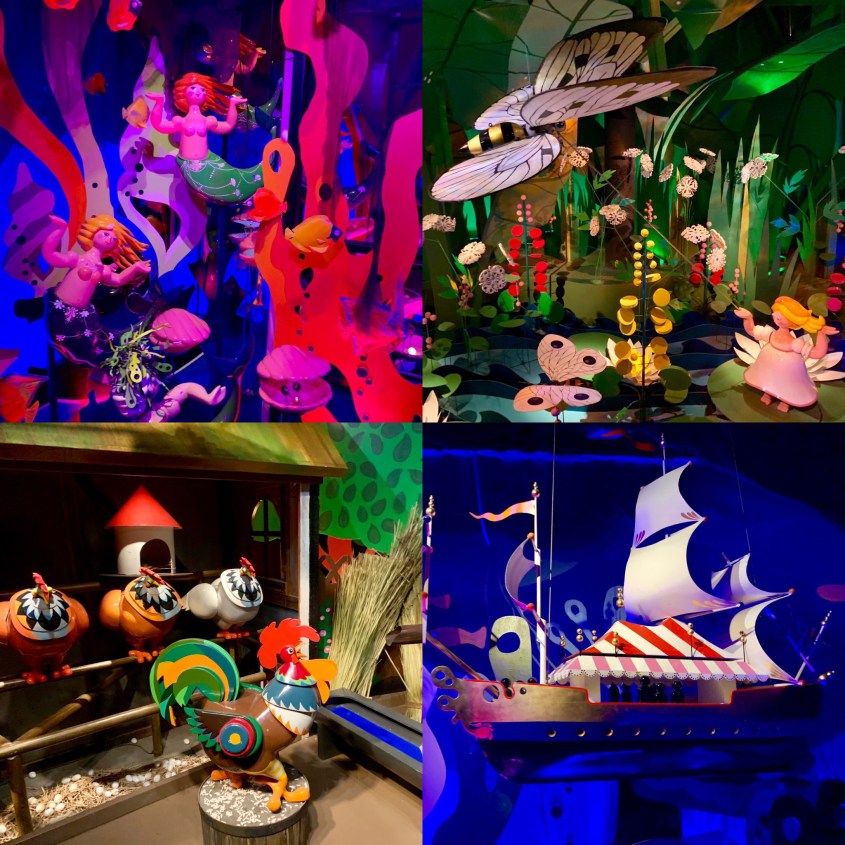
There’s a ride that reminded me of It’s a Small World at DisneyWorld – except this one features all of the creatures and characters from the Hans Christian Anderson fables.
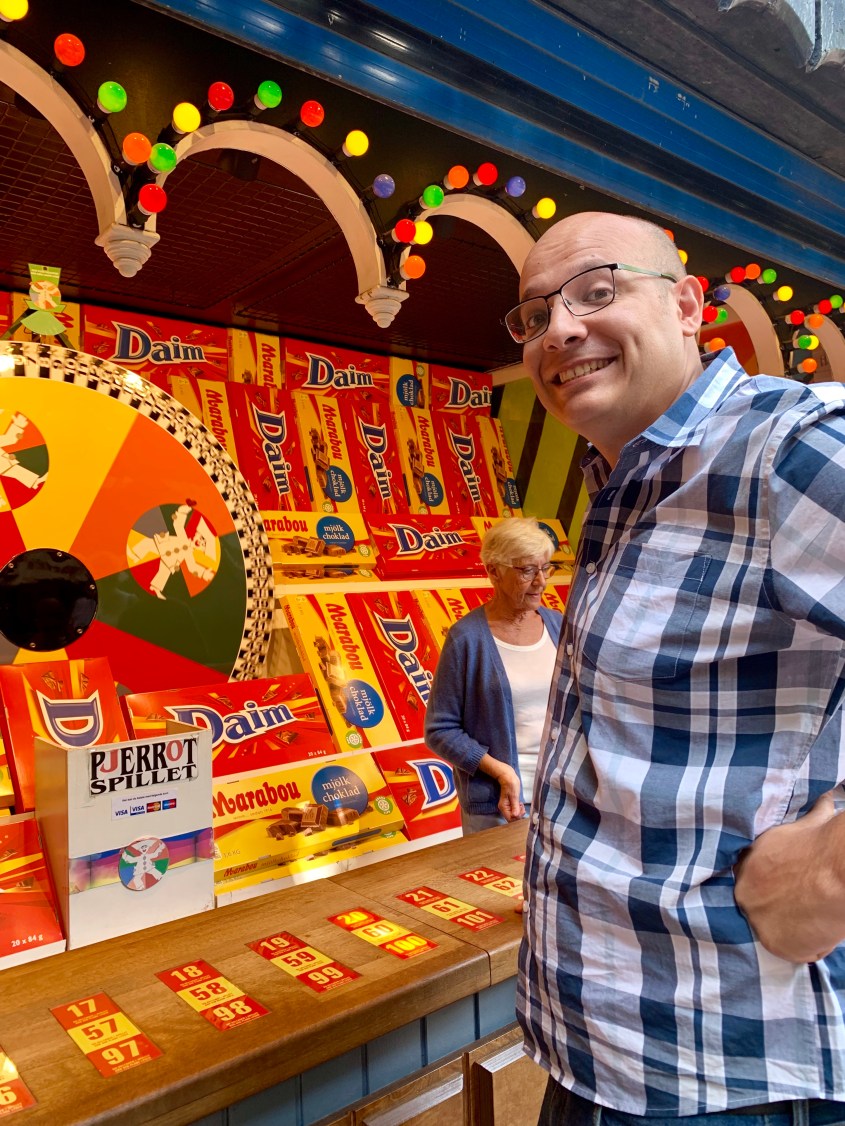
A few scenes from the “Small World” rideSadly we didn’t win mega chocolate roulette
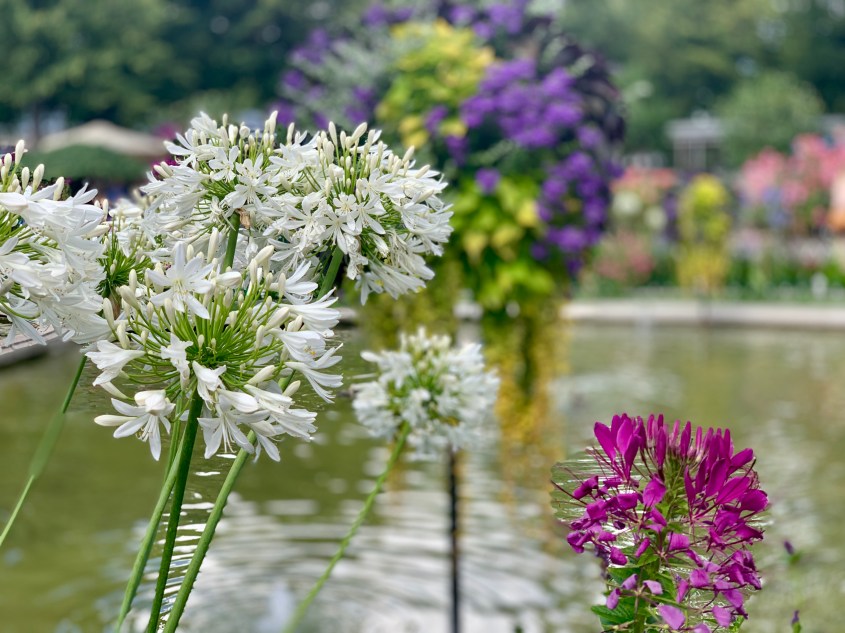
After a few rides, we headed to the main garden to enjoy the flowers. Unfortunately we weren’t able to stay past dark with the park illuminated.
There are many shops, but only one official Tivoli Gardens shop. I’d been on the hunt for a Christmas Ornament and finally found one at the last shop of the day.
Making friends with “big duck”
I just finished packing up for tomorrow’s long journey home. Our cab comes at 5am, so I’d better get to bed to set us up for successful travel with minimum meltdown tomorrow.
It’s been an incredible trip, and I can’t say enough lovely things about Jeff, Nadja and their families. Thank you both again for such a special invitation.
Today we met up with all the Americans at Jeff & Nadja’s apartment to eat smørrebrød, rent Go Boats and grab dinner in the Meat Packing District.
Smørrebrød, traditional Danish open-face sandwiches
On the top floor of the building, their apartment is light and airy, with a loft, skylights and cross beams that give a nod to the industrial feel of Copenhagen.
#1Toddler and Nadja play “princess cups”
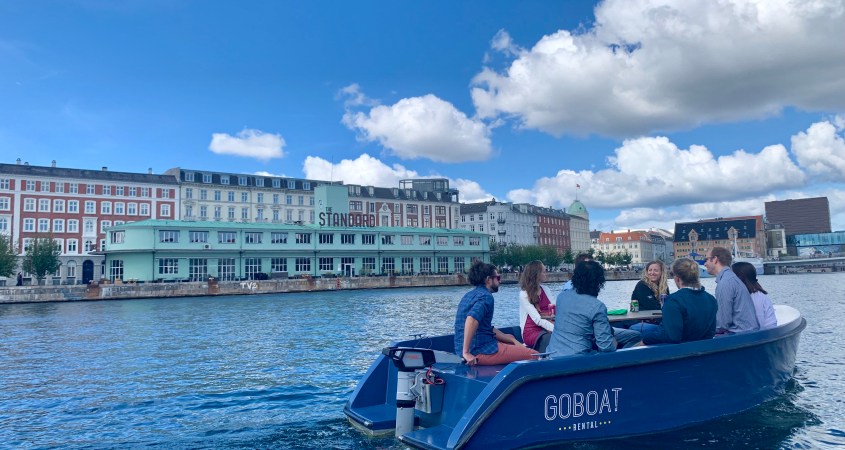
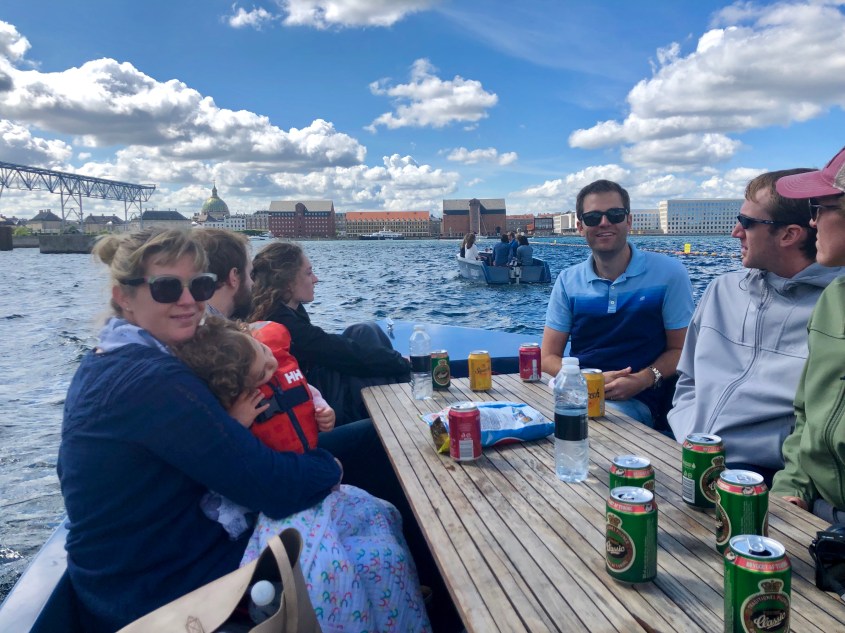
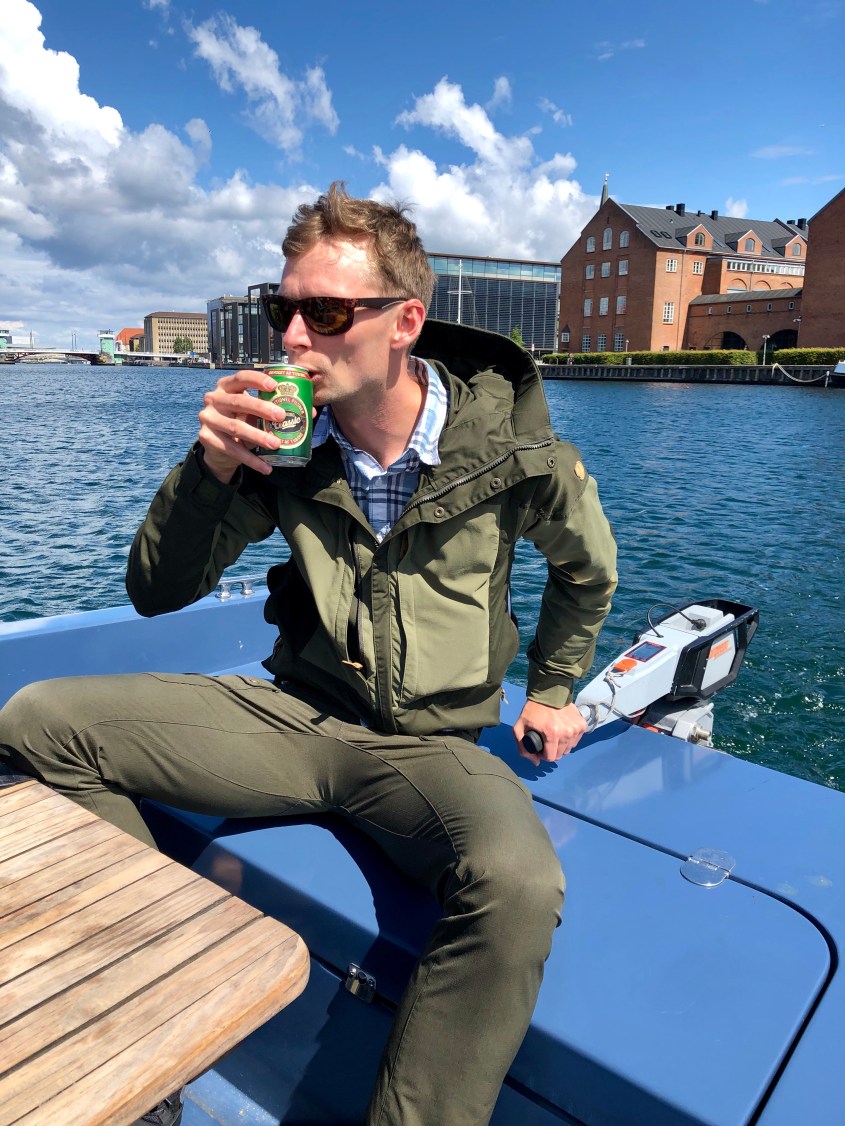
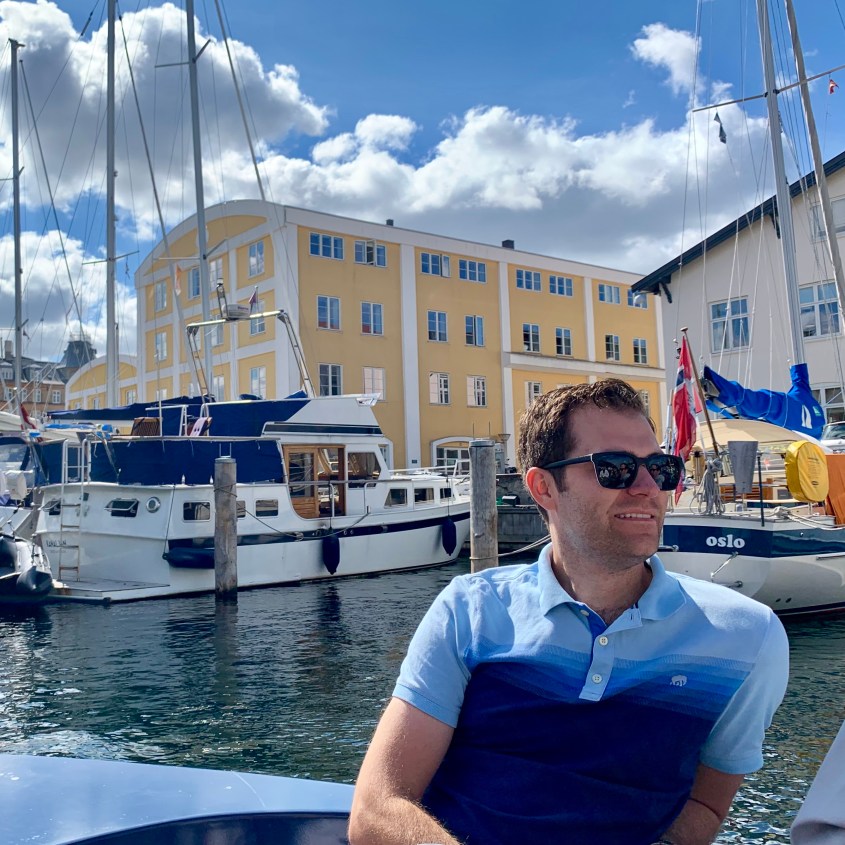
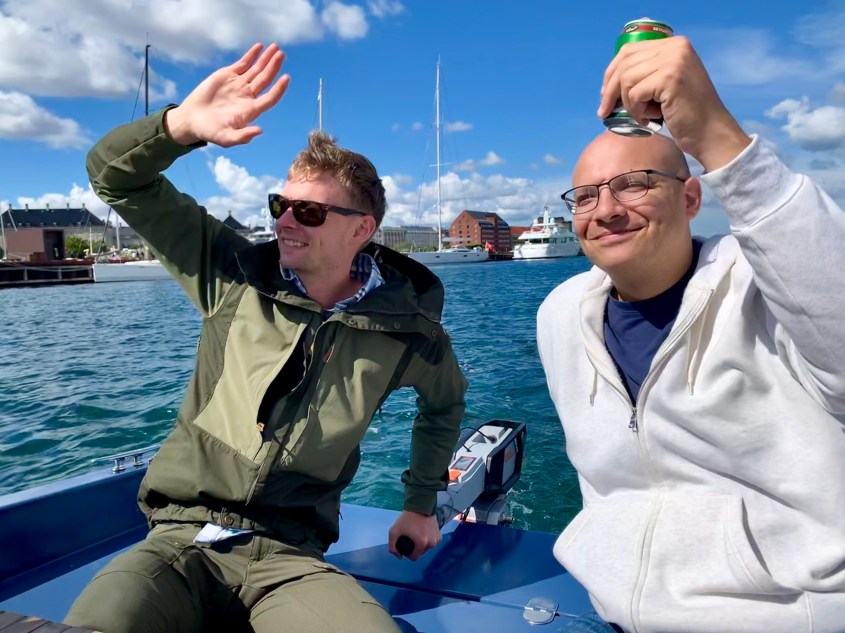
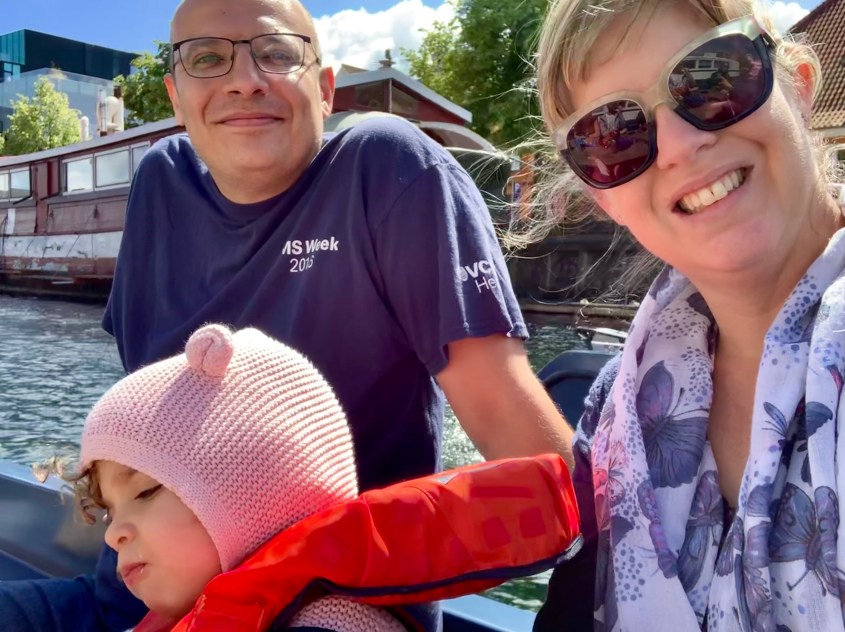
After enjoying smørrebrød and beers, we took the bus to the Harbour to board our Go Boats, small electric-powered boats with picnic tables designed for drinking, sightseeing and maybe eating.
we rented the boats for two hours which was the perfect length of time. The boat operators will provide maps with suggested routes if you just tell them how much time you want to take.
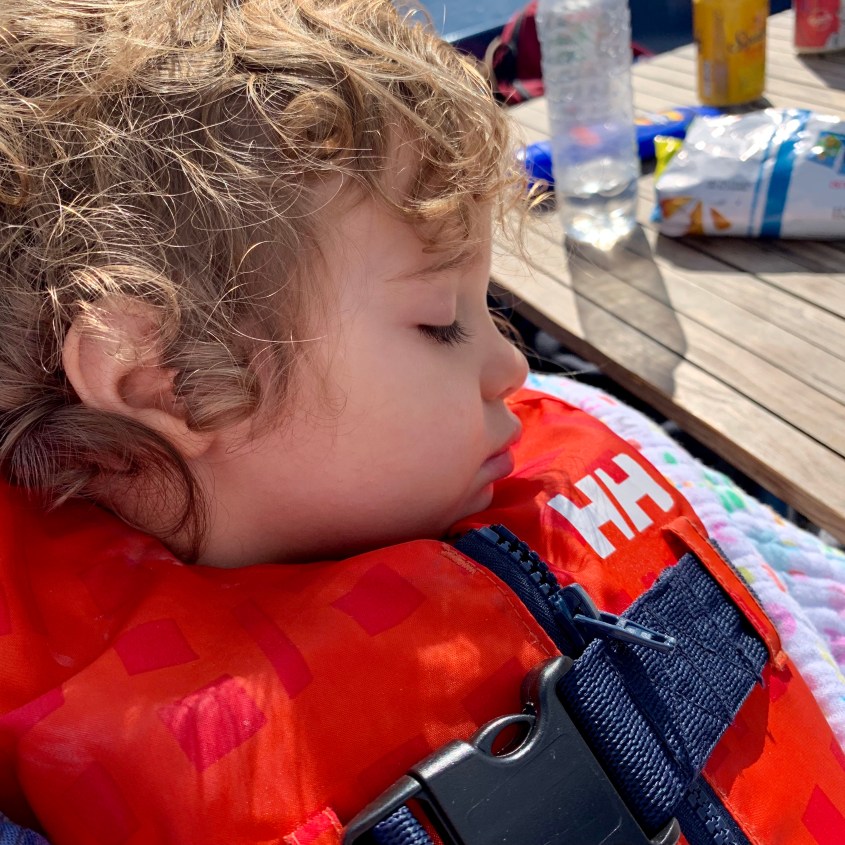
The boat was very relaxing for some
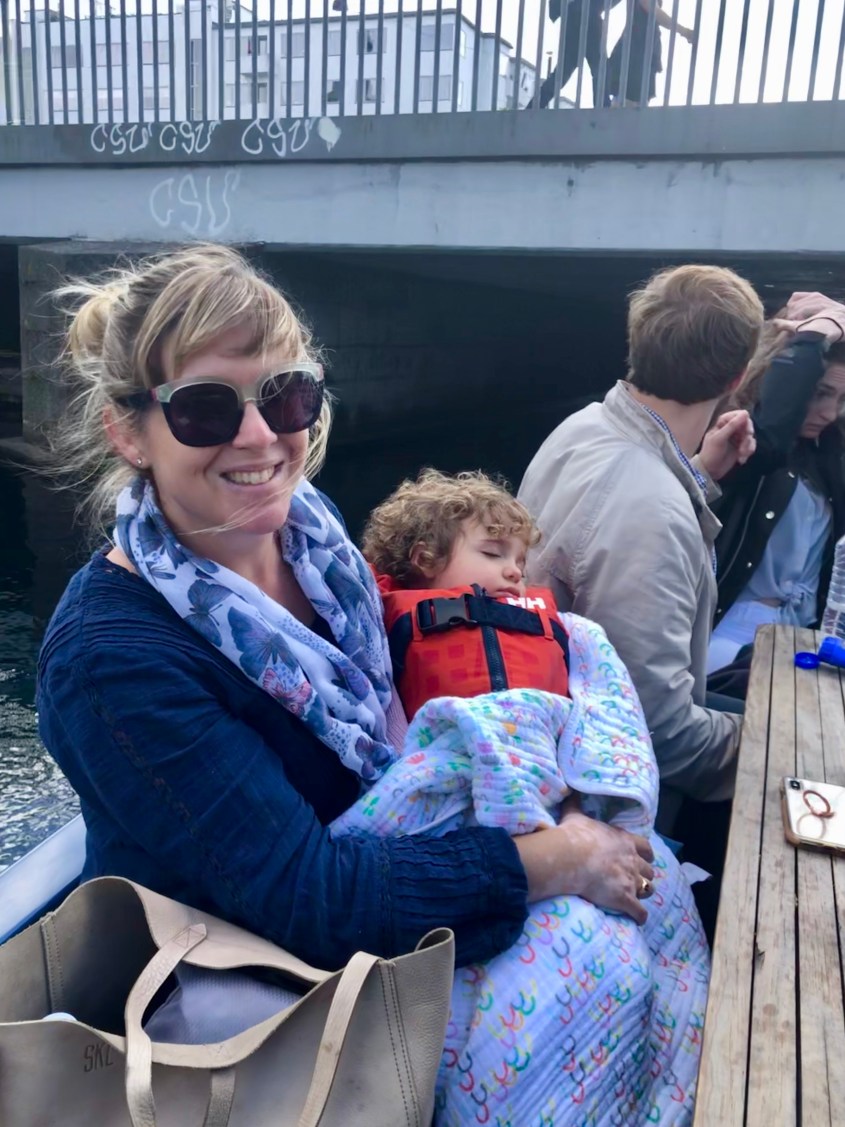
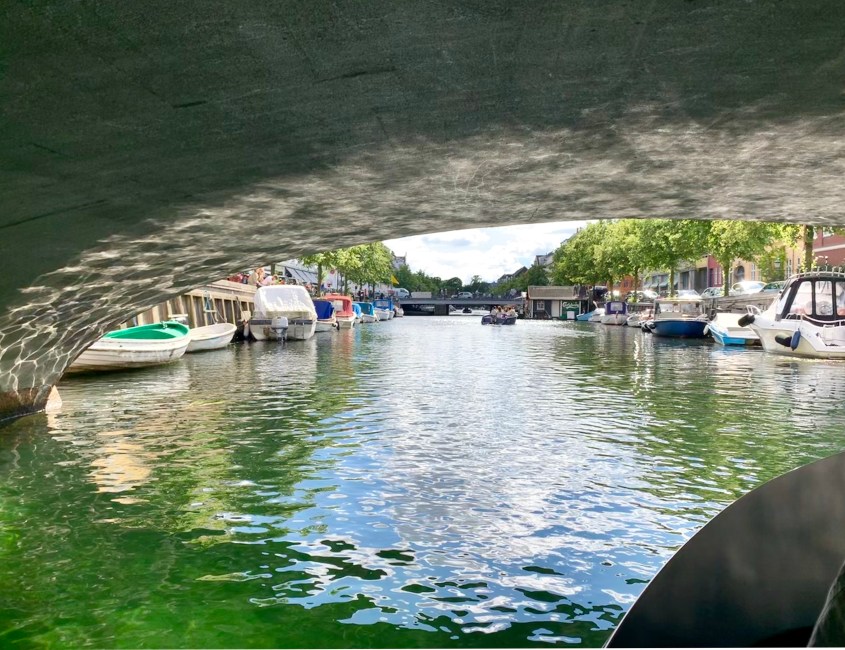
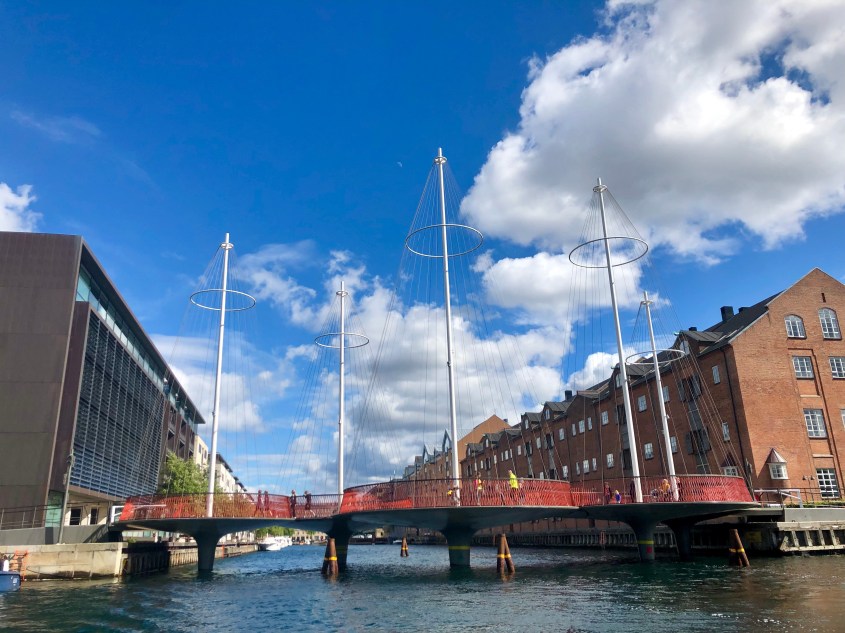
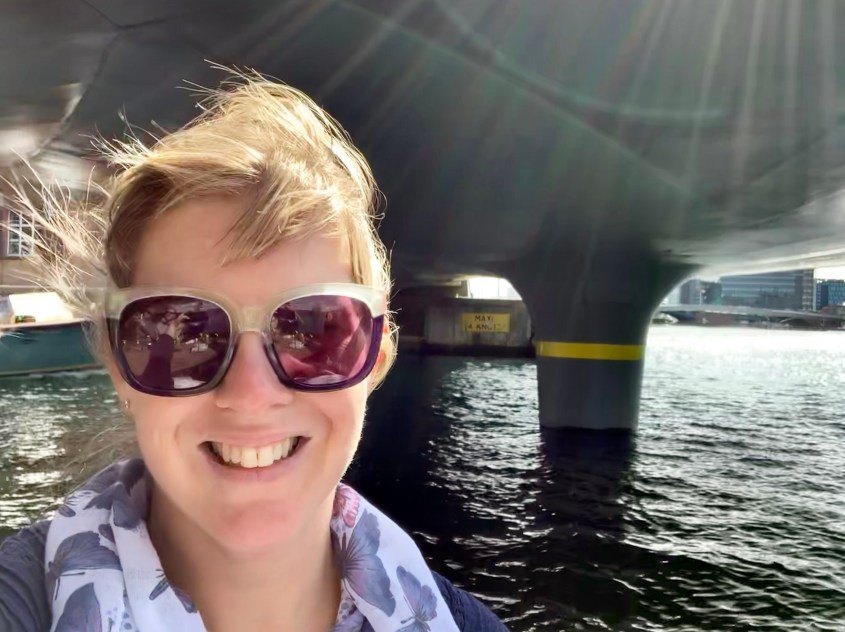
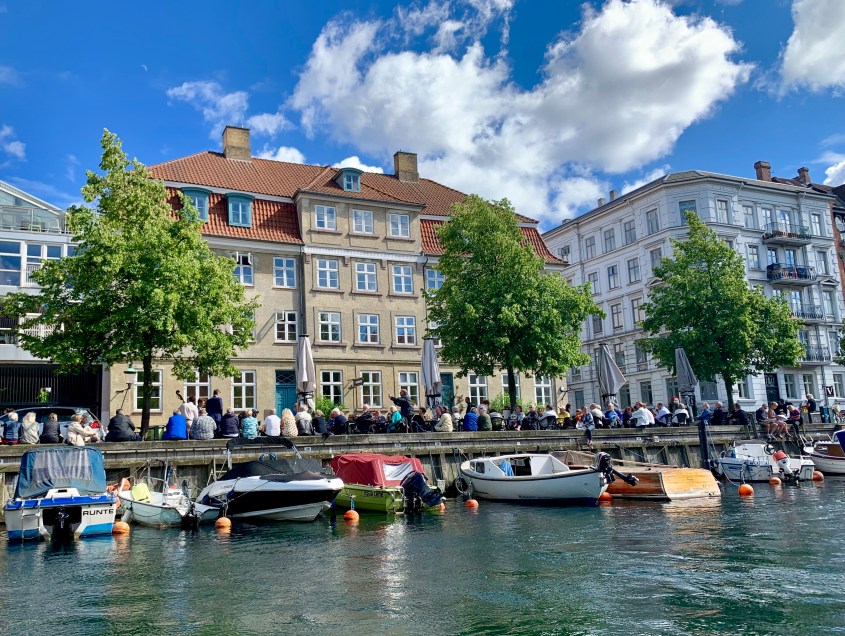
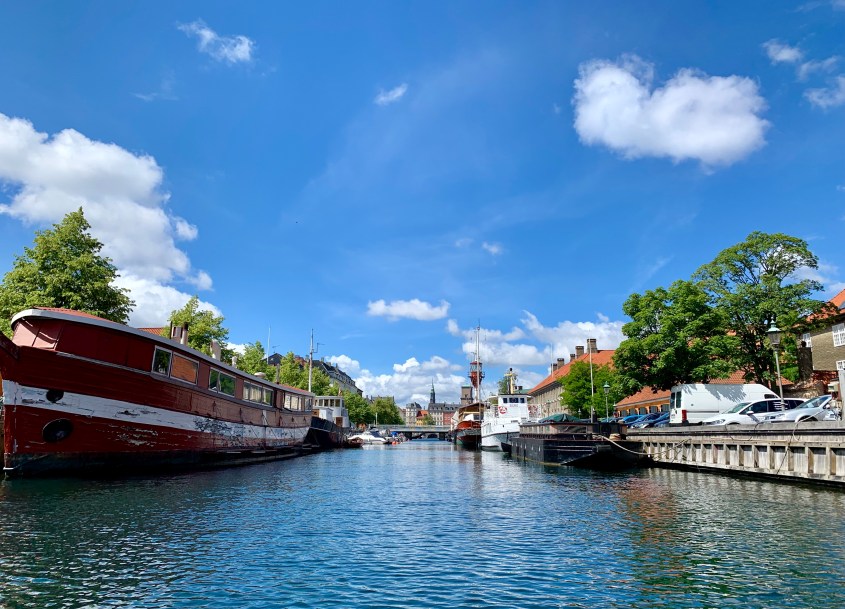
As you float the canals, there are many pedestrian and bicycle bridges you float beneath. There’s not much clearance left, right or up.
We passed by Christiania which we’d explored by family bicycle on Friday.
Christiania house boats with the ski slope power plant in the distance
Each boat fits about eight people, so with a group our size we rented two. Jeff narrated on one boat while Nadja provided a guided tour on the other. They switched half way through our trip to spend time with everyone.
On our way back in, we passed under yet another pedestrian bridge, this one designed to mimic the sails of a ship. Design is everywhere in Denmark.
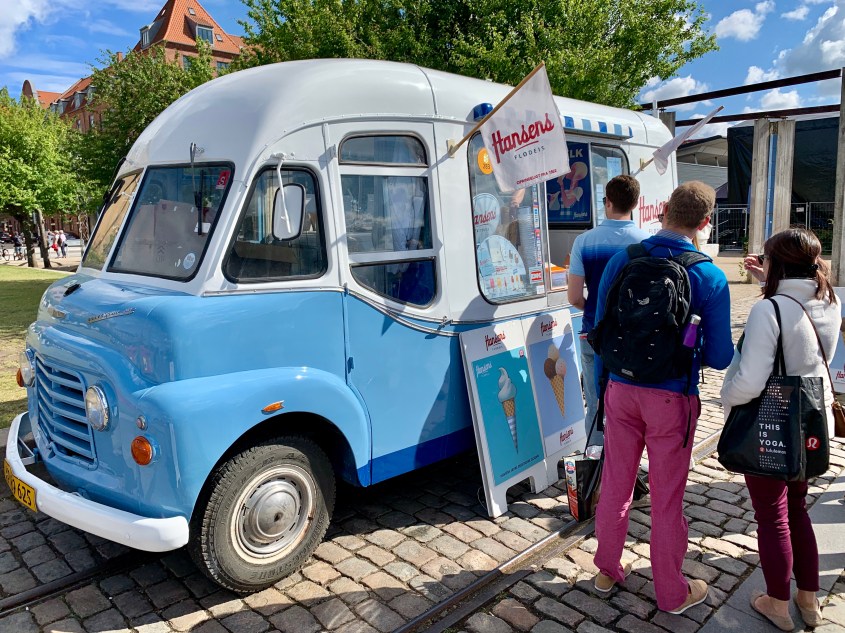
After the Go Boats, we stopped for ice cream. I’m quite convinced the United States would be a more civil place if everyone ate as much ice cream and gelato as the Europeans.
After ice cream, we walked along the Harbour to another pedestrian bridge where we crossed over and headed to the Meatpacking District.
A public swimming area in the Harbour
Amir and I enjoyed food from the Indian stall while many others in our group tackled “meat stacks” which were essentially oversized burgers with gravy poured over top.
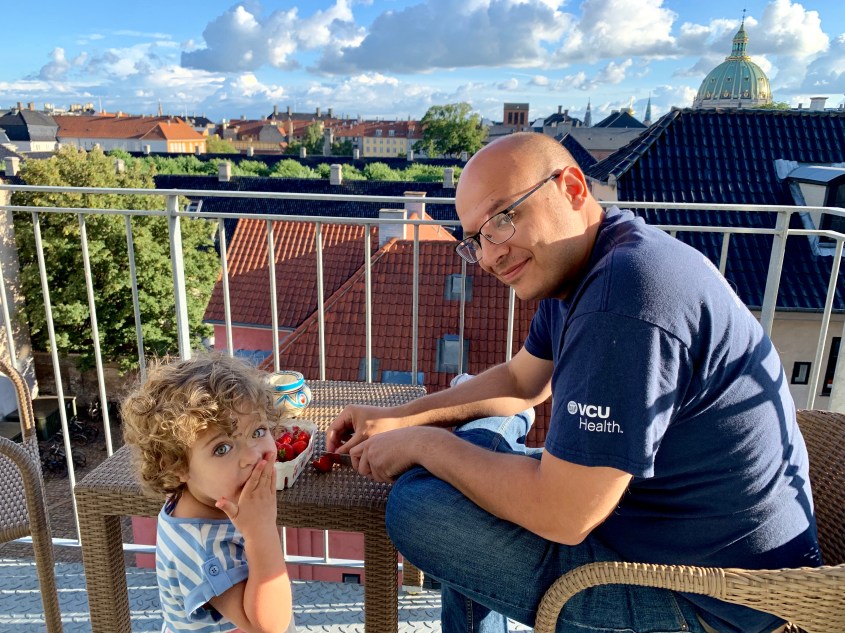
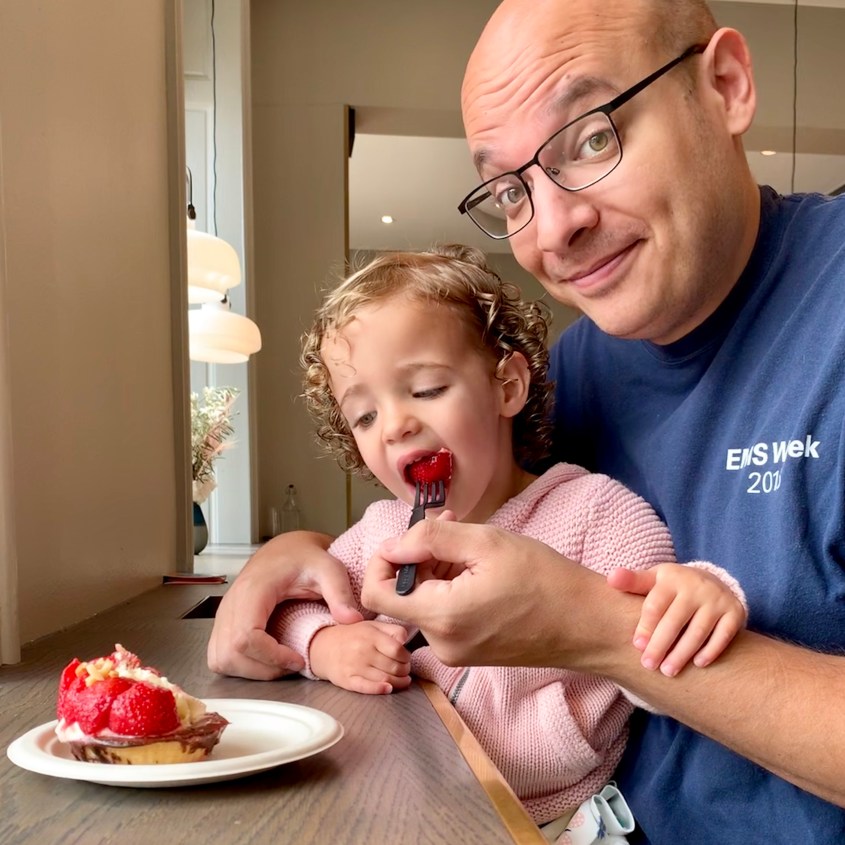
Evening strawberries enjoyed on our balconyStrawberry torte for breakfast
Tomorrow is our last day here, and we’re going to Tivoli Gardens, the 2nd oldest amusement park in the world.
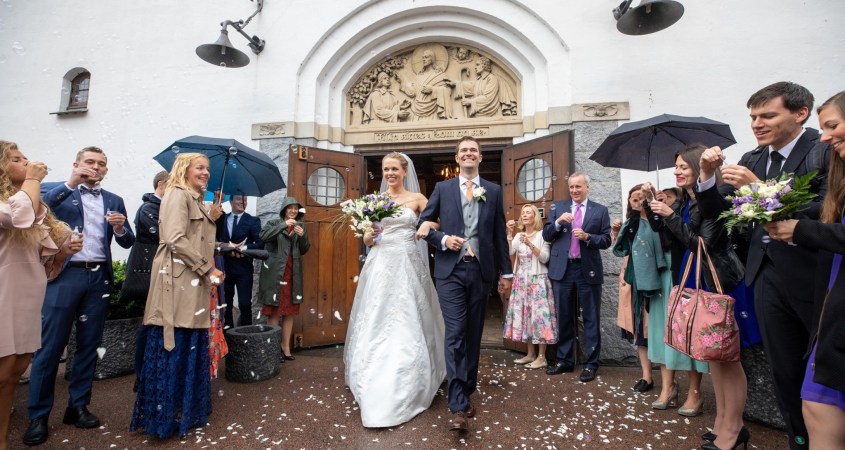
The wedding day finally arrived. We took a taxi from our hotel to the church for the ceremony. Most things are walkable in Copenhagen, but this church was 30 minutes by foot even in comfortable shoes, plus it was sprinkling.
Filips Kirke Church, Copenhagen
Just as in the US, it’s customary to arrive 15-30 minutes before the start of the ceremony.
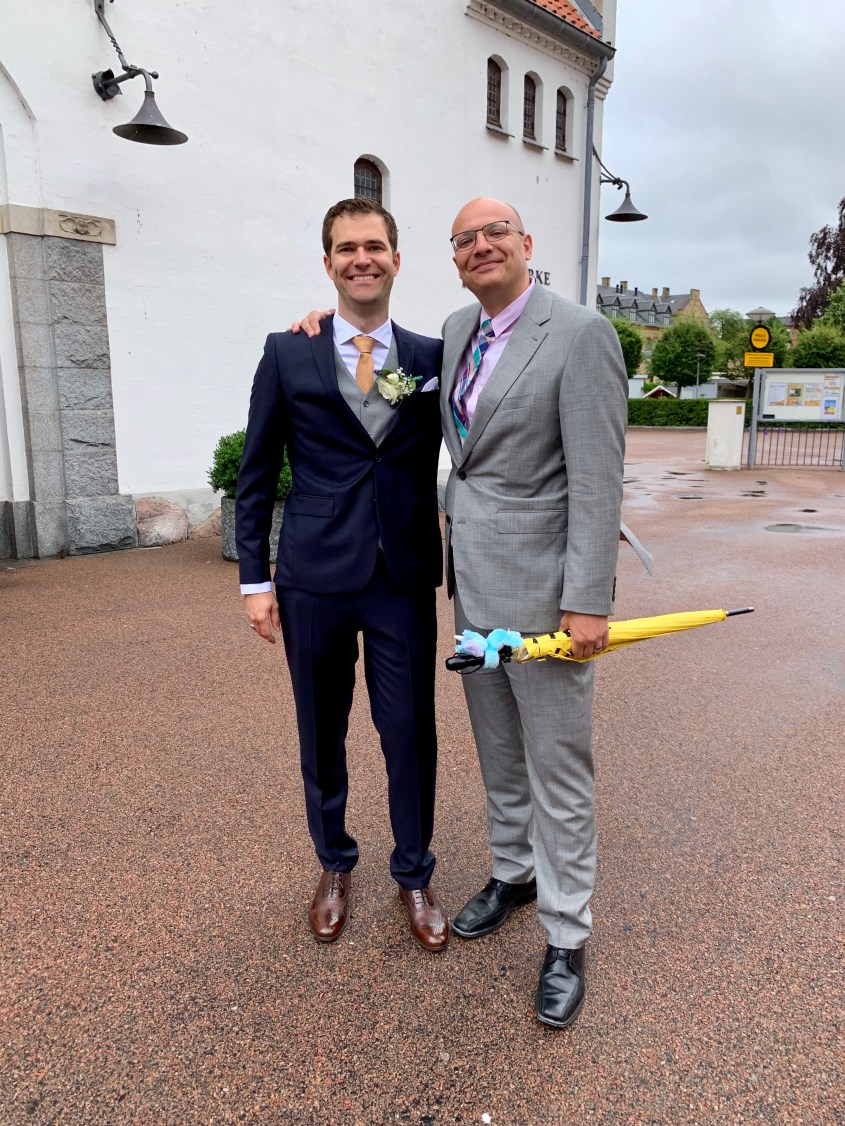
Playing with the plastic animalsJeff & Amir
The ceremony was conducted entirely in Danish. I had to escape out the back door about three minutes in after #1Toddler started fussing and shouting “No! No! No!” I heard a few guests quip that she was objecting to the marriage, so I figured that was our cue.
There was a break between the ceremony and a canal boat ride that lead up to the cocktail hour. Given the weather and the fact that someone needed a nap to achieve the important act of staying awake until the dance floor, we opted to skip the canal boat and take a family ciesta to recharge.
Ciesta time before the reception and dancing
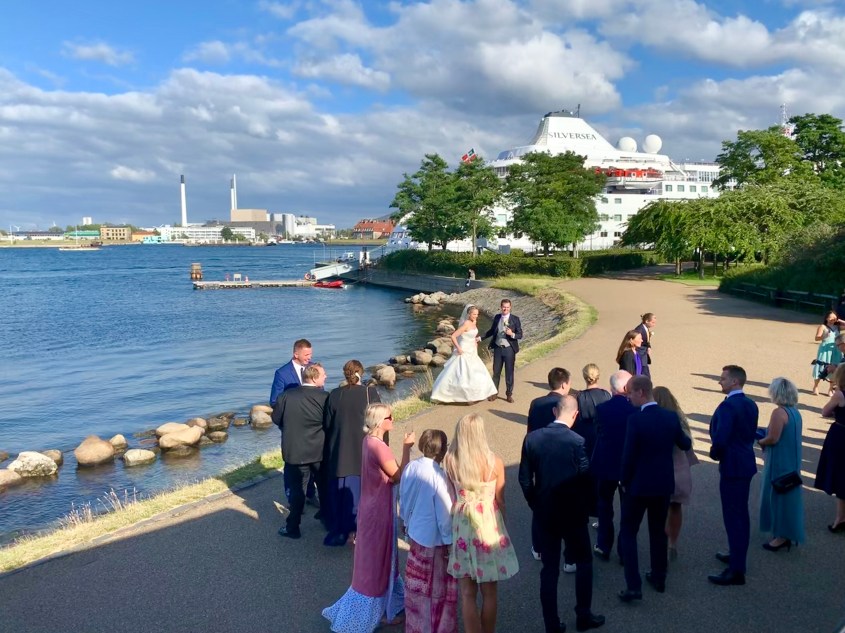
The cocktail hours started at 5pm, and we arrived at 5:30. The venue is located at Langelinie Pavillion near Kastellet, with 180 degree views of the water.
The bride and groom took photos by the sea port
Nadja gave me a heads up on a few of the unique Danish wedding traditions. For starters, the dinner is five hours NOT including dancing. The Danish are famous for giving speeches. All guests are invited to toast the bride and/or groom. Sentimental or a roast, anything goes. But the speeches are formal and preplanned. Those wishing to speak must sign up with “the Toastmaster” ahead of time to be added to the schedule of speakers.
One of the quizzes asked attendees to raise a flag, US or Danish, to vote for whoever a given clue was true for. Someone enjoyed waving the flags indiscriminately.
After the promised five hours of toasts (which sped by) and a delicious steak dinner with pickled celery root and herb potatoes, the dancing began.
The main courseMaking news friendsOddities of the gift tableThe silver accent stones are actually chocolate
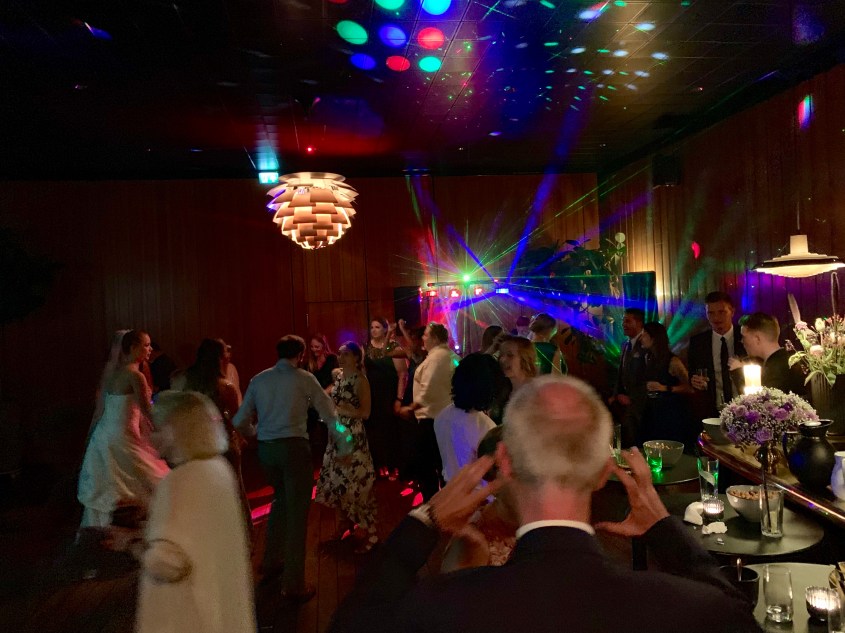
The cocktail hour space which later became the dance floor
We had a goal of making it to the dancing which we were told would start around midnight. To our amazement, no one on our team needed a nap, and everyone powered through and made it to the dance floor to let loose.
At 1am we called it a night. We left impressed by the attention to personal detail displayed in every aspect of the wedding – the sentimental speeches that helped us get to know both Jeff and Nadja better, the thoughtful icebreakers and translations back and forth between English and Danish, and the exquisite food. Amir and I both decided we will RSVP yes to any Danish wedding invites from here on out.
Day 7
To say we were moving slowly this morning is an understatement. Coming up on noon, #1Toddler began to get antsy and request to go to “da park, da park!” So she and I headed out on a solo walk in search of the famous trampoline sidewalks.
She of course fell asleep in the stroller just five minutes into the walk, so I took the opportunity to stop for an Aperol Spritz and cheese plate while she slept.
Enjoying my orange
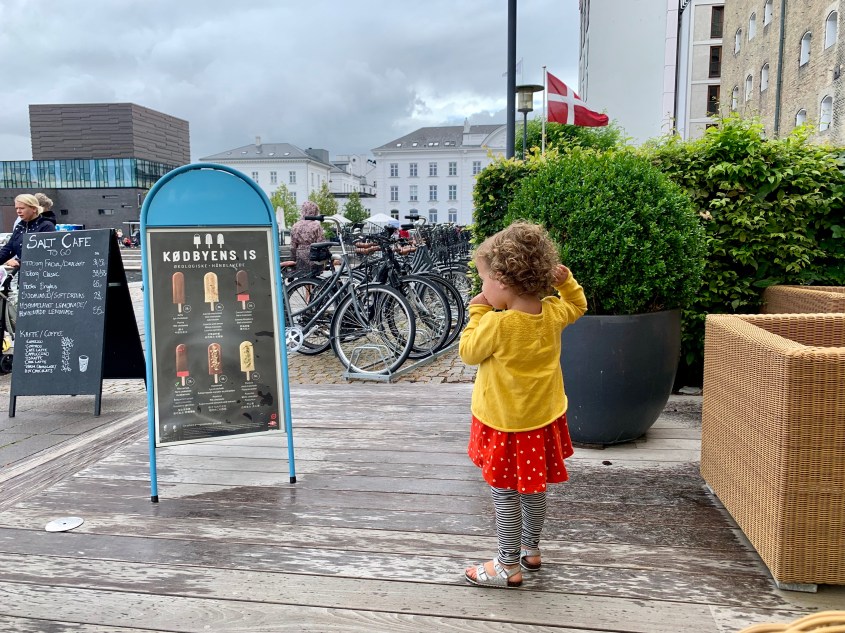
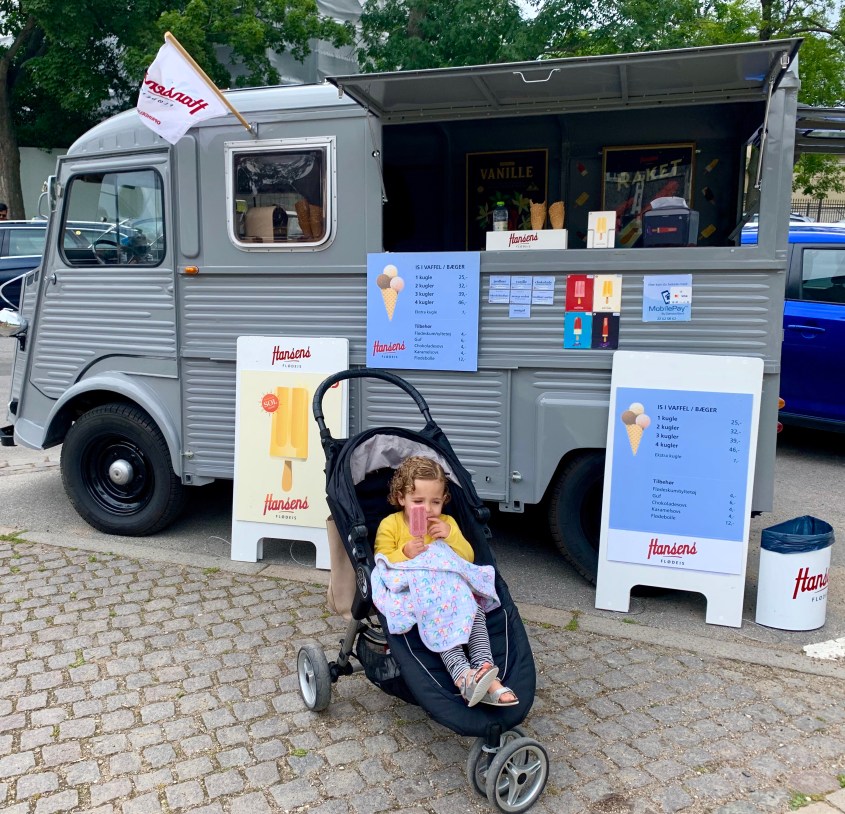
She awoke just as I was paying the bill and packing up to move us to our next destination. She didn’t miss the ice cream sign on the way out.
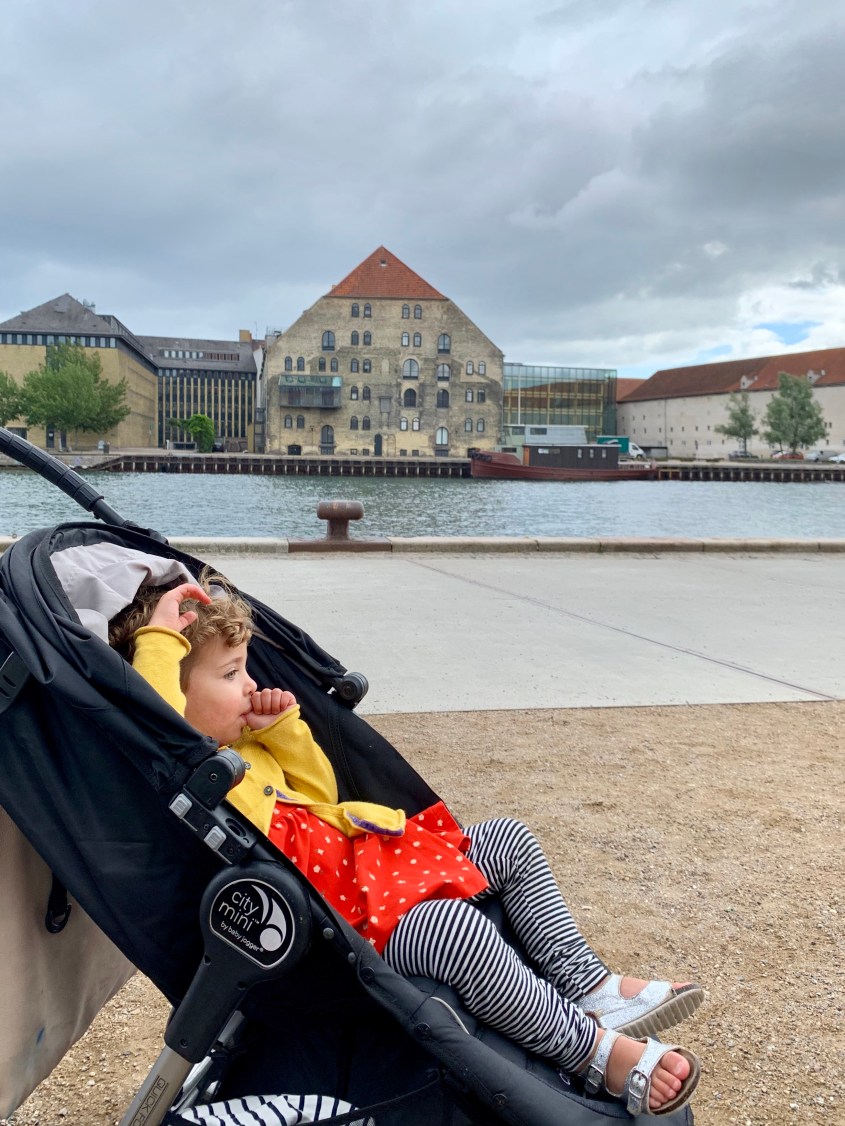
Decisions, decisions Copenhagen Harbour
We walked just three blocks past Copenhagen Bicycles where we rented our family bicycle on Day 5 of our trip and found the Trampoline Sidewalk. Friends on one of my online mom boards recommended this one for kids.
Still working on jumping with two feet at the same time
After the trampoline sidewalk, we headed back to the hotel to reconnect with Amir who was resting and tackling a migraine.
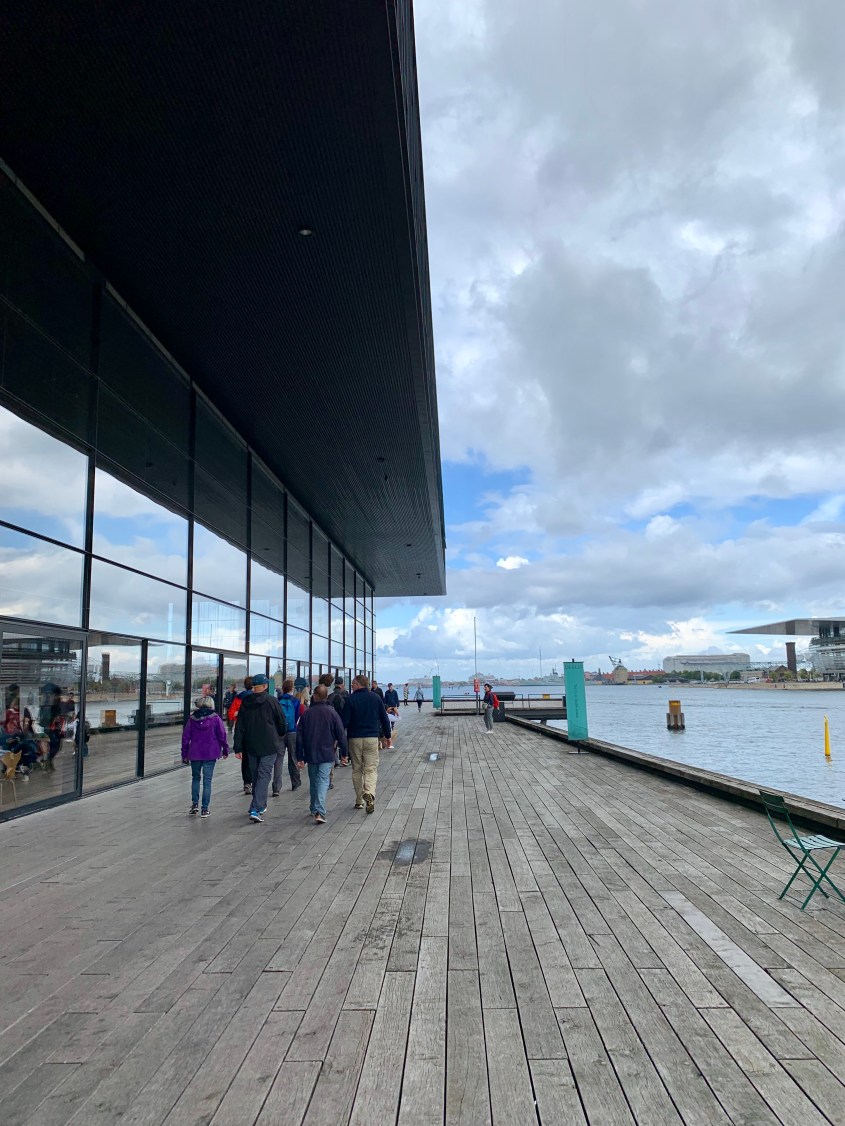
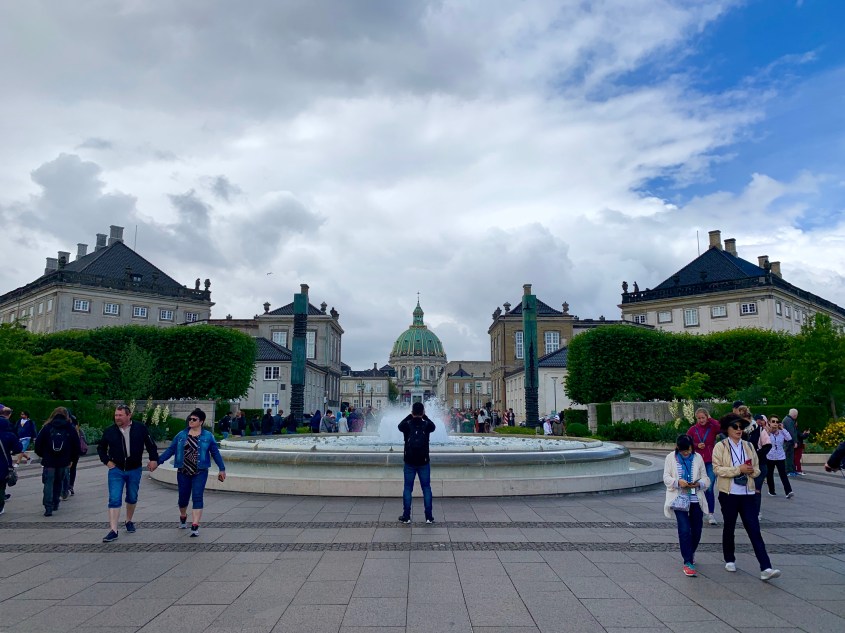
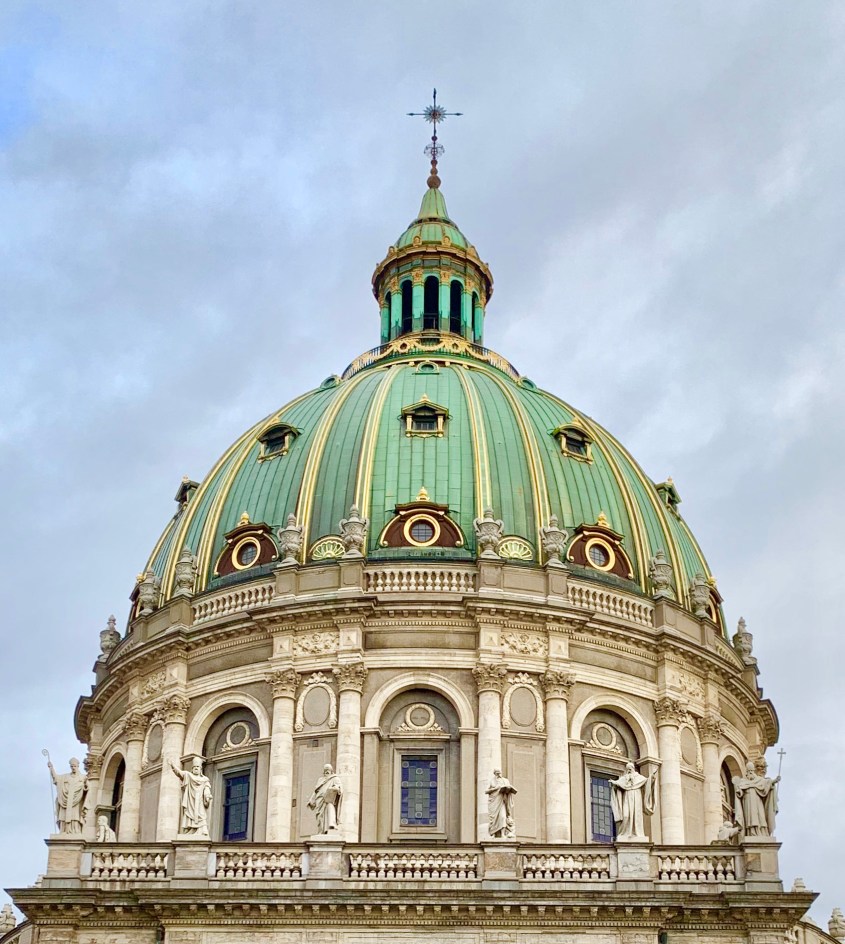
Danish architecture focuses heavily on clean linesThe National Workshop for Arts is seen across the harbourAmaliehaven FountainGefion Fountain featuring the Norse Goddess of the same name
St. Alban’s Church, 1887
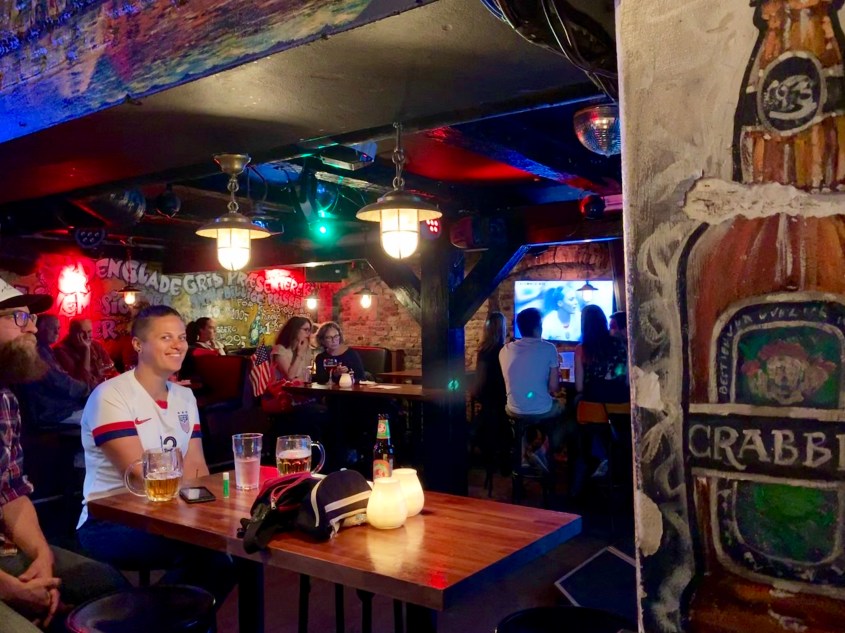
The only other must-do item on the list for today was watching the Women’s World Cup Final between the USA and the Netherlands. We figured being in Europe where futbol is king, we’d have no trouble finding a spot to watch the game. To our surprise, we walked two miles and stopped by 8 pubs before finding our viewing home at the Happy Pig. In fairness, The Dubliner Irish Pub did have the game on, but it was standing room only and not toddler friendly.
USA! USA!
On a random side note, Amir and I couldn’t help but notice the hundreds of discarded nitrous oxide cartridges that litter the streets in some hot spots of the city. In doing a little Googling, it seems whippets are the favorite drug of the young crowds here in Copenhagen.
In some areas discarded silver N2O cartridges are more numerous than cigarette butts
After the glorious futbol victory, we made our way to Sticks & Sushi, a favorite restaurant of Jeff & Nadja, and also the place where we cancelled our reservation after an exhausting day on the bike and too much soft serve. I’m so glad we circled back and made it there. Commence the food porn.
Spicy miso soup with salmon, seaweed and tofuKids “sticks box” with chicken meatballs, white rice, edamame, carrots and peanut sauceShrimp tempura
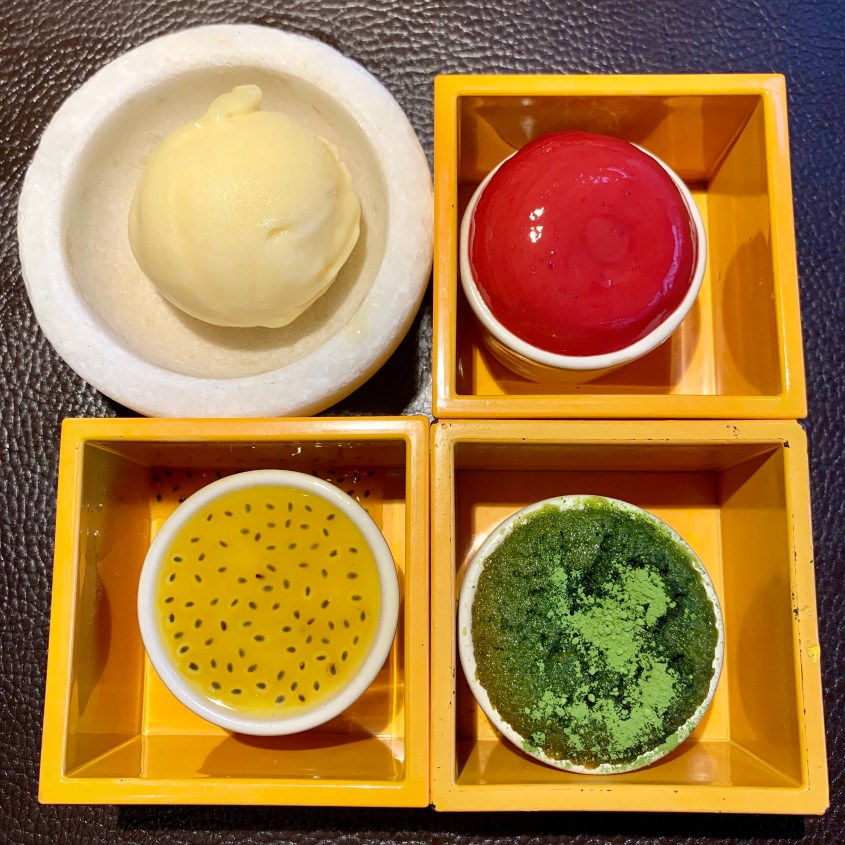
Sister sushi boxLemon sorbet, white chocolate creme with raspberry glaze, coconut rice pudding with passion fruit compote and a pistachio chocolate torte
Everything we ordered was unforgettable. We both agreed we’ve paid twice as much for meals we’ve liked half as much, and for sushi, the pricing was very fair given the quality.
The last two nights have brought the best meals yet. I can’t wait to see what we can eat tomorrow.
Amir, Jeff & Nadja
$3 IKEA cups FTW again, this time during the speechesWe may have snuck in a raspberry popsicleDowntime in the hotel room
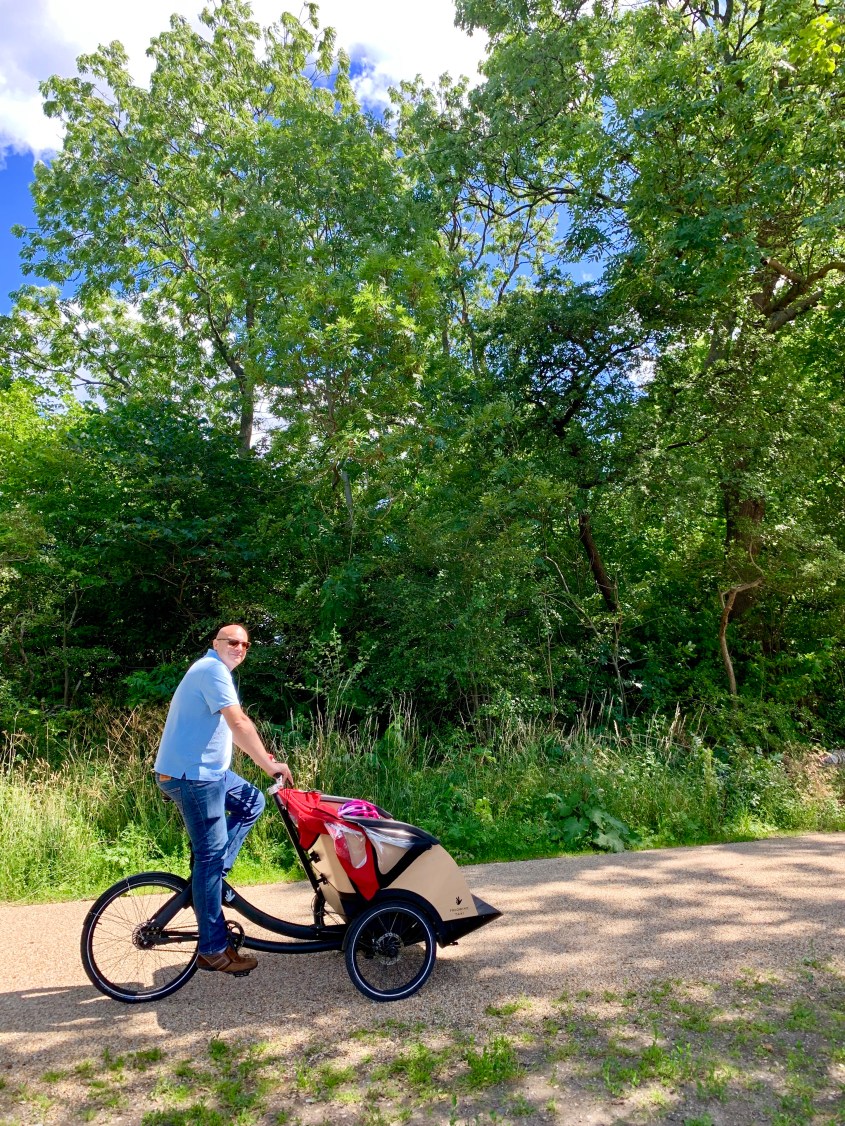
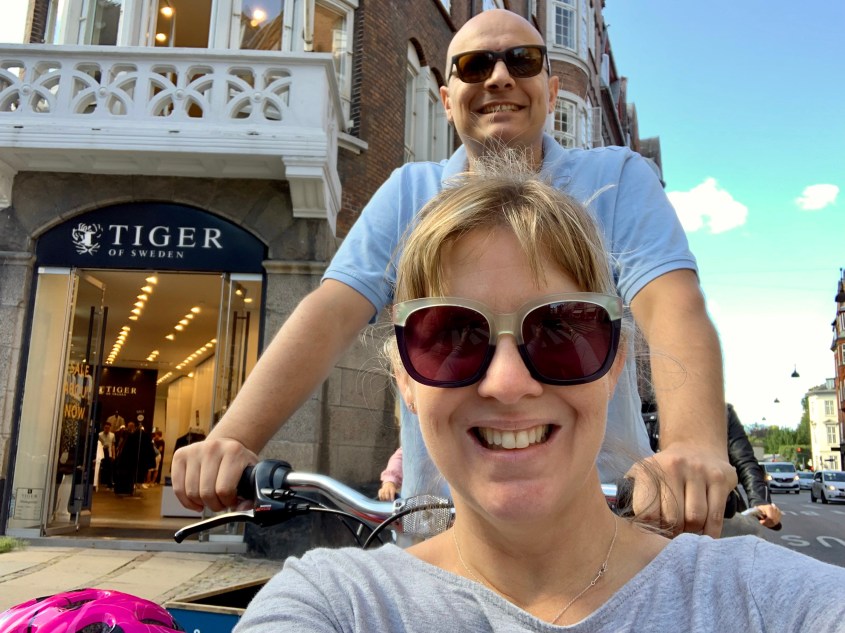
The one thing I had earmarked as a must-do during my research for the trip was to rent a bicycle to help us explore the lesser traveled paths here.
At Kings Garden with our Premium Family Bike
There are two big bike rental companies with friendly websites that allow online reservations and booking prior to arrival. Depending when you plan on visiting, they may or may not all be booked. We rented through Copenhagen Bicycles, but Christiania Bicycles is also supposed to be good. Plus they offer electric versions. They also both offer free helmets for kids.
#1Toddler enjoyed ringing the bell on our bike
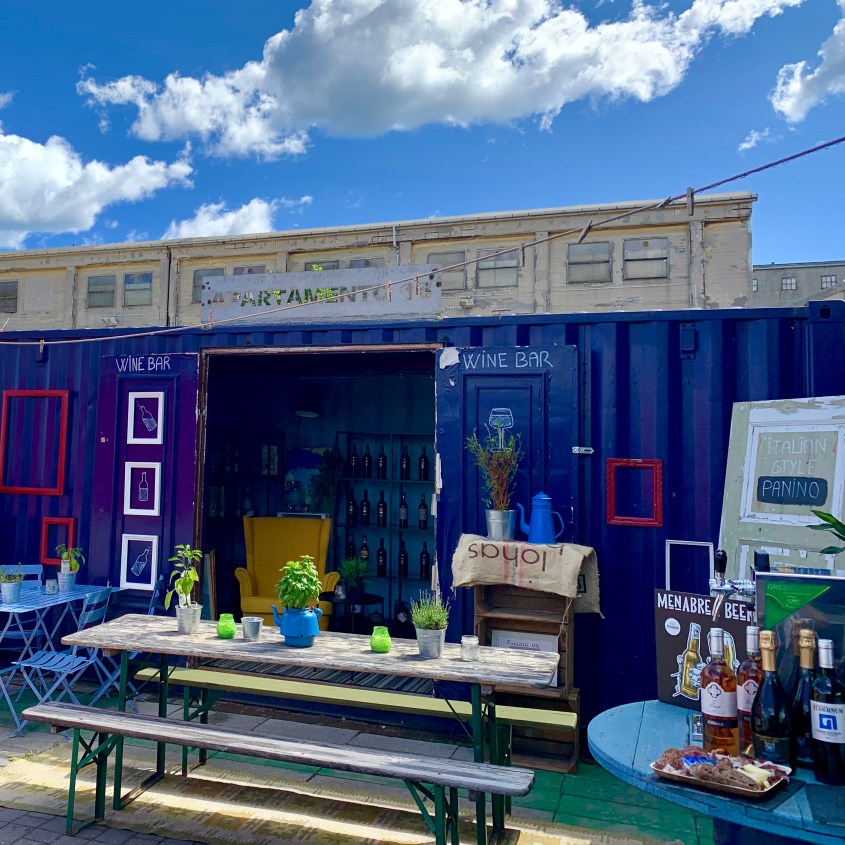
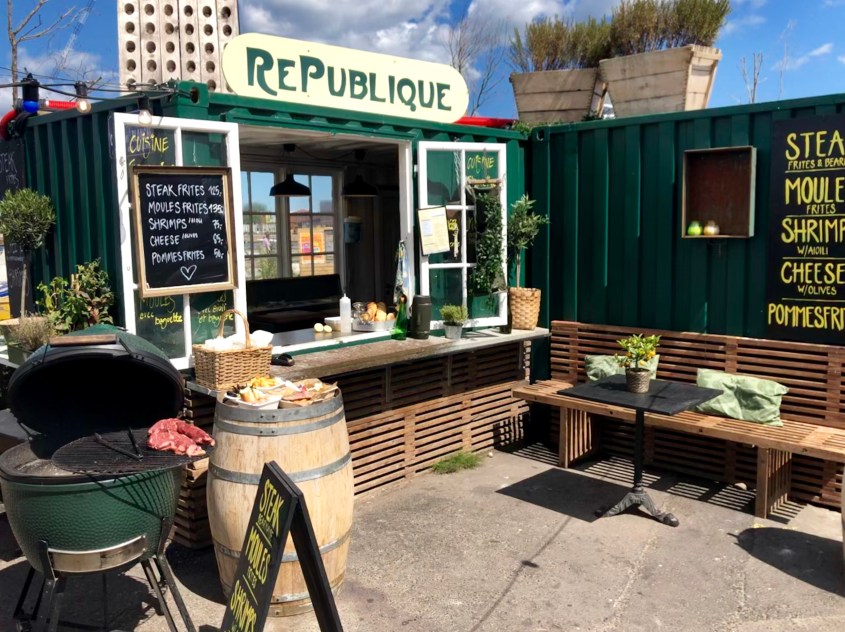
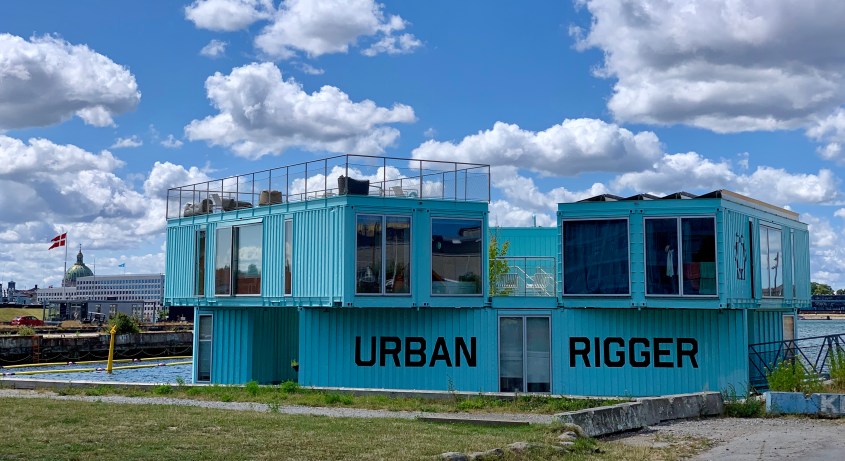
First we headed in search of food. Amir had scoped out a unique place called Reffen, which can best be described as an artist’s baby: shipping container construction project meets food truck rodeo with a pinch of farmer’s market and street art. I unfortunately didn’t capture it well in photos today as I was chasing around you know who. Amir and I decided we need this in Richmond.
One of many mini wine bars at Reffen
The Italian stall at Reffen
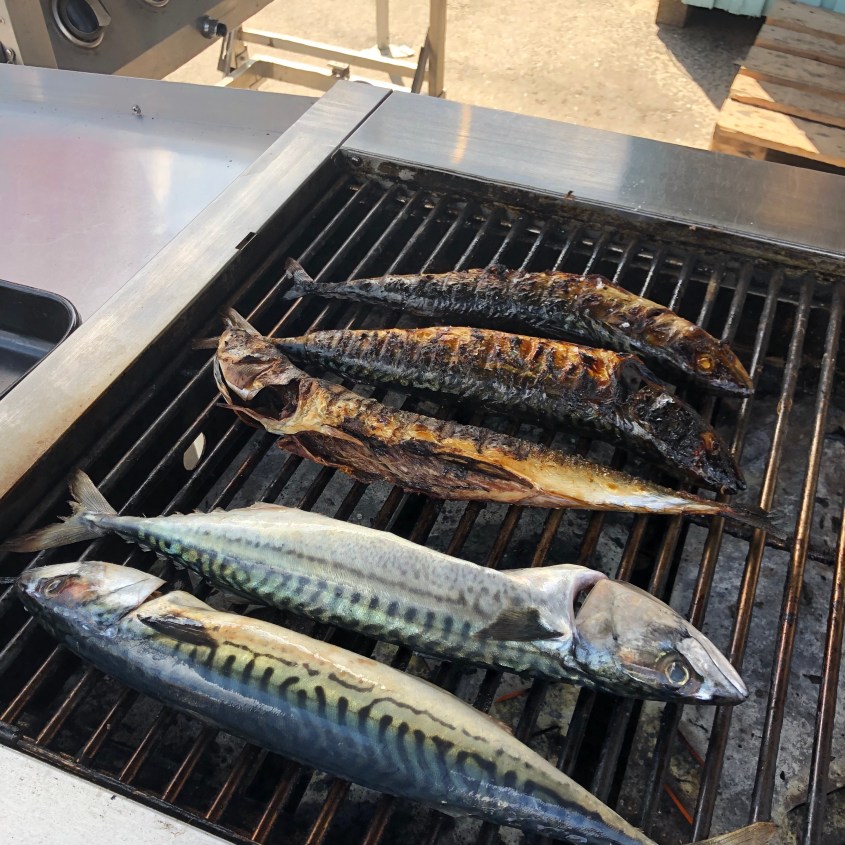
Fresh whole mackerel cleaned and grilled right in front of you
Amir ordered freshly grilled mackerel, I had a fresh Italian baguette with prosciutto, mozzarella and pesto, and the little one ate a gourmet corn dog.
The whole area by the water has embraced the shipping container movement
After Reffen we (and by we I mean Amir) pedaled to Freetown Christiania – an “off the grid” sort of town with artists, few laws, a good amount of drugs and some beautiful scenery. The only downside – you can’t take pictures there.
The ride from Christiania back to Town is full of quiet moments
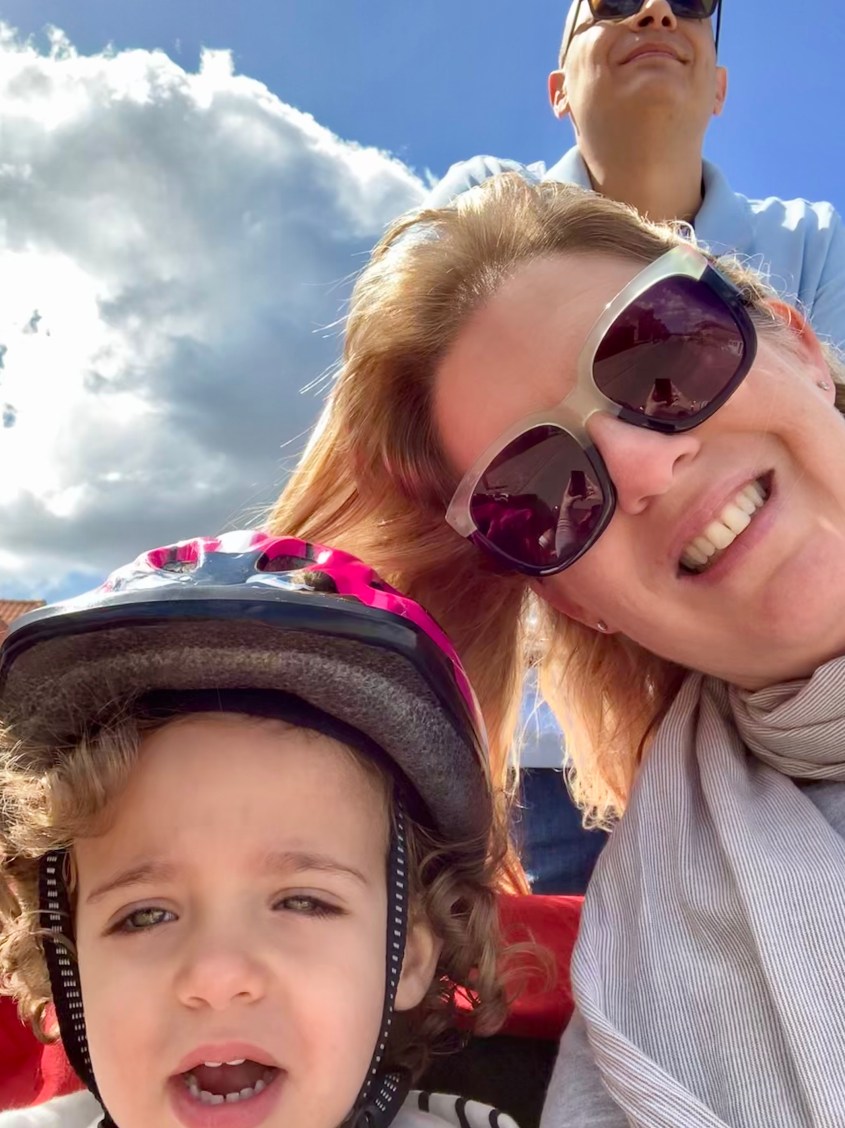
After Christiania, we made our way from the waterside inland towards the King’s Garden where the 2019 Jazz Festival is taking place while we are here. We stopped by the playground first. Side note: #1Toddler didn’t even want to wear her helmet at first, but then she insisted on wearing it all day.
After the playground, we made our way to the rose gardens of Rosenborg Castle. There’s a moat around the castle as with most important structures here in Copenhagen, but this one features friendly fish and ducks.
For our last hour in the garden, we decided to take it easy and just relax in the grass and enjoy the airy new age jazz playing all around us.
As we headed back to return our rented bicycle, I tried to snap a few photos and a video to capture the ride. For some reason today my photo skills weren’t on par with my norm – but that didn’t spoil the fun.
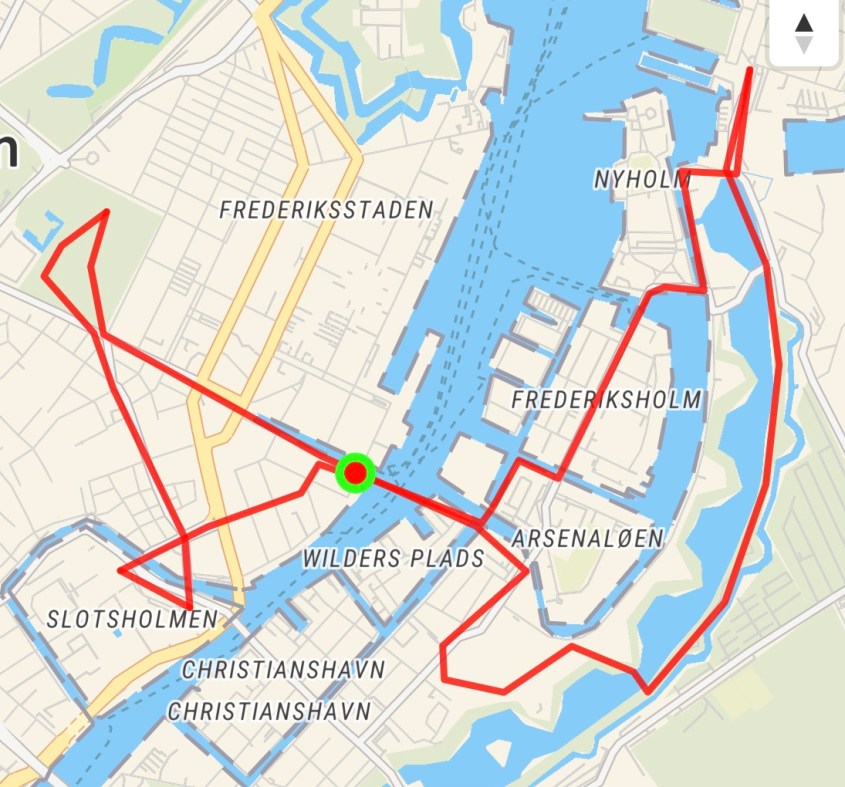
Total route biked: 6.2 miles!
Still smiling even after all that hard work
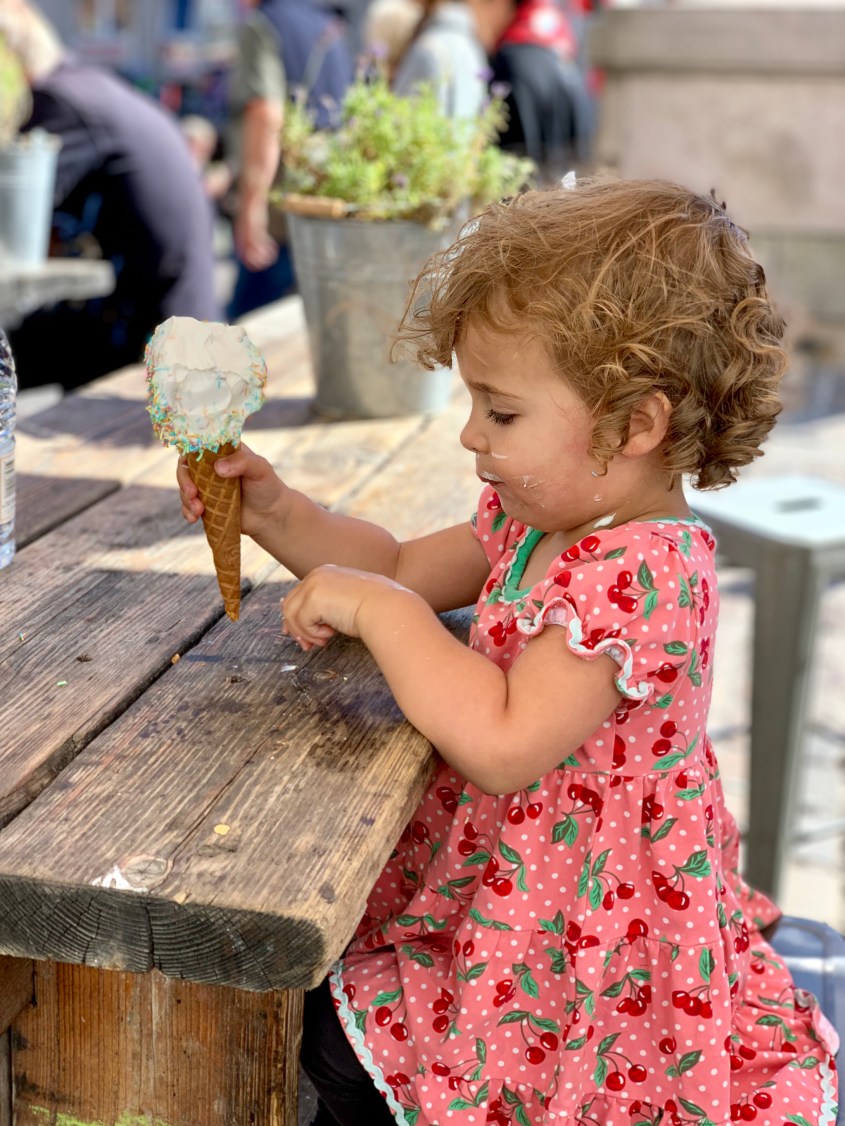
After returning our bike, we stopped in Nyhavn at Vaffelbageren for soft serve ice cream. Oh my oh my was it delicious. We ended up eating it all and canceling our dinner reservations.
Instead, we opted for a charcuterie dinner with red wine in the roof top terrace of our hotel. Total cost: $30.
Tonight we are going to rest up for the big wedding tomorrow. Nadja told me dancing won’t even begin until midnight, so I need all the energy I can get!
Yesterday we travelled by train (x 2) and bus from Copenhagen to Billund, the site of LEGOLAND. There’s an option to fly here from Copenhagen, but it still means a train or bus to the airport, then another bus to the park. Renting a car is reportedly the easiest option, but incredibly expensive (like many things here).
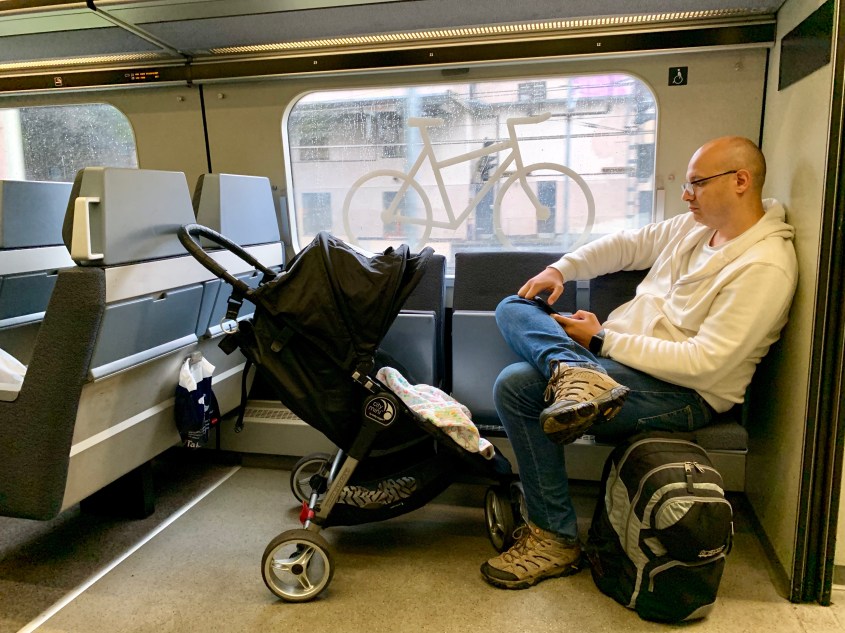
So we opted to test out the robust public transportation system here. Not the easiest trip ever, but two thumbs up for a national public transit system that lets you seamlessly “swipe in” with one access card for the whole country and across all modes. No separate fares for trains, buses or the metro. Also friendly if you want to bring your bike or stroller.
Specific cars are designated for bikes and strollers, plus free WiFi!
Last night we stayed at Hotel Svaden, roughly 700m from the park entrance, but 1/4 the cost of a night at the official LEGOLAND Hotel. It served its purpose.
The park opens at 10am daily. We stopped for breakfast at an Espresso House, right across the street from the park prior to entering and avoided breakfast at a pricey all-you-can-eat buffet.
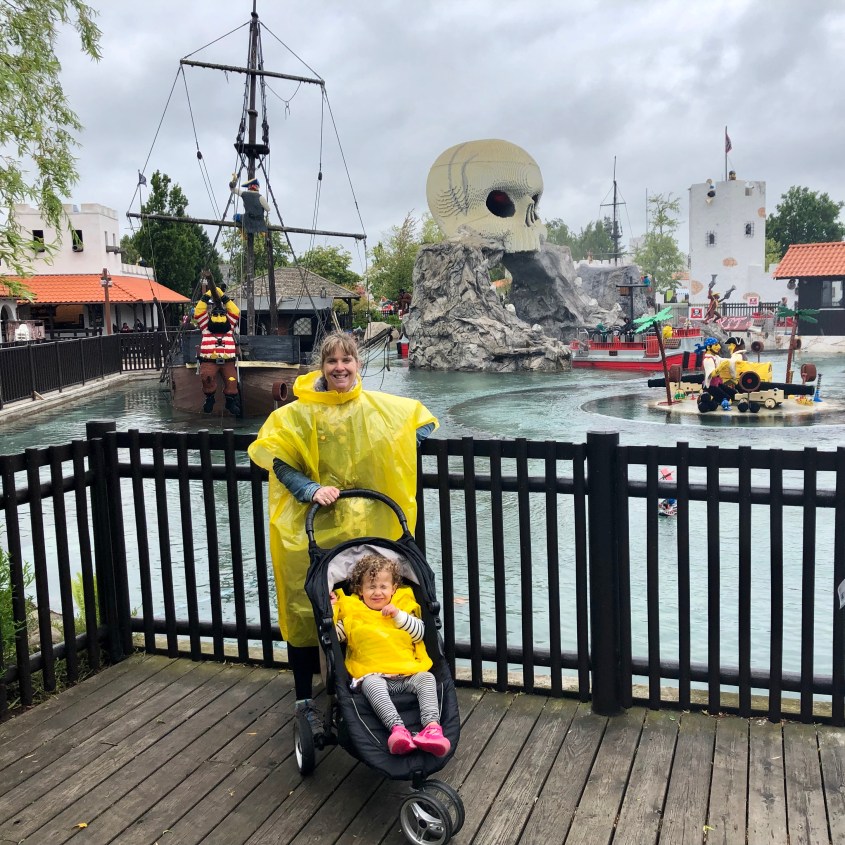
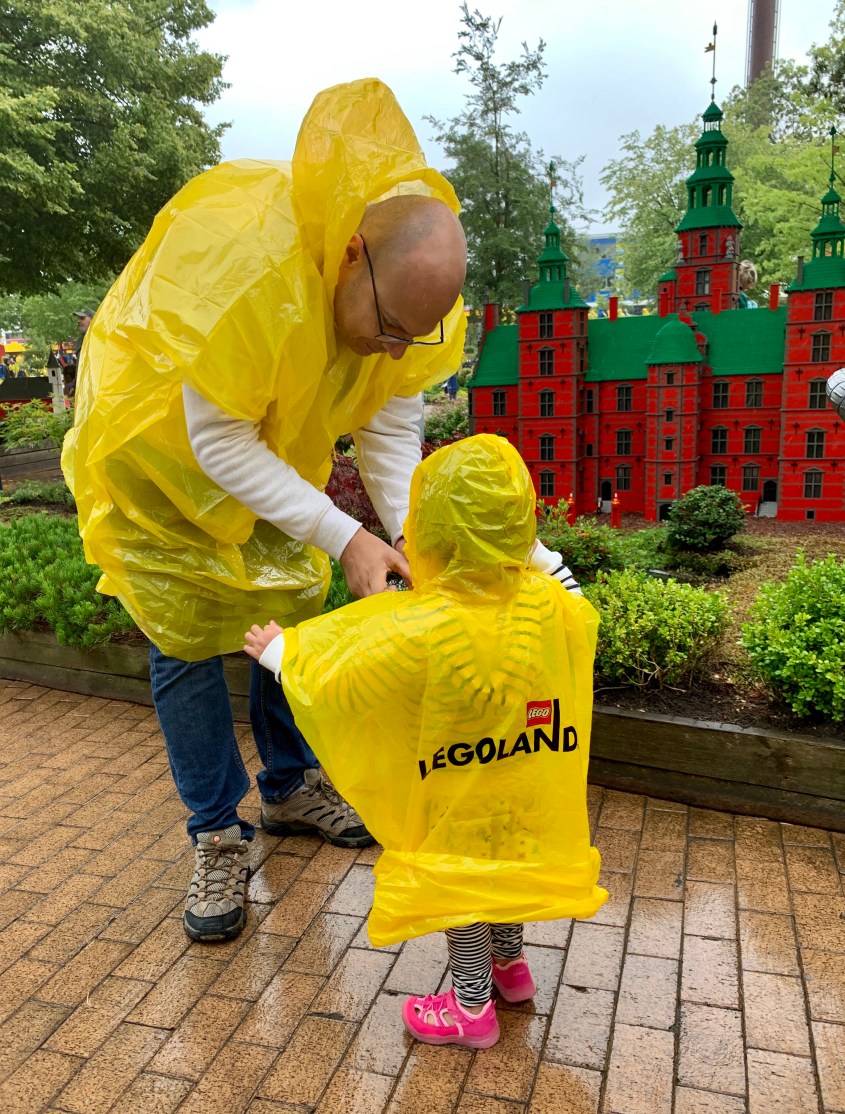
Rain ponchos thankfully come in adult and kids sizes
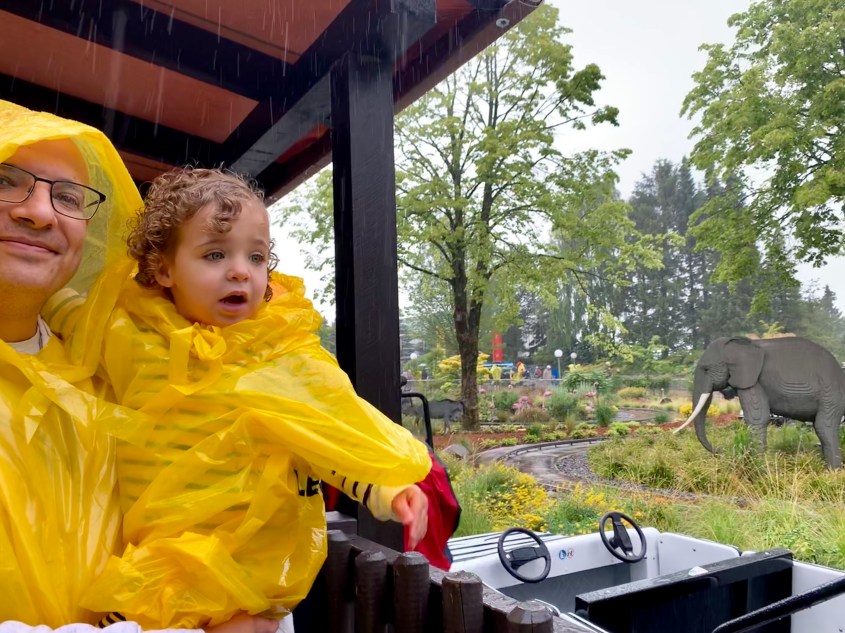
The only negative about today – the weather. Today was 62 degrees and rainy, the entire day. As Amir said, “what are we going to do, go back to Copenhagen?” So in Louka style, we made the most of it.
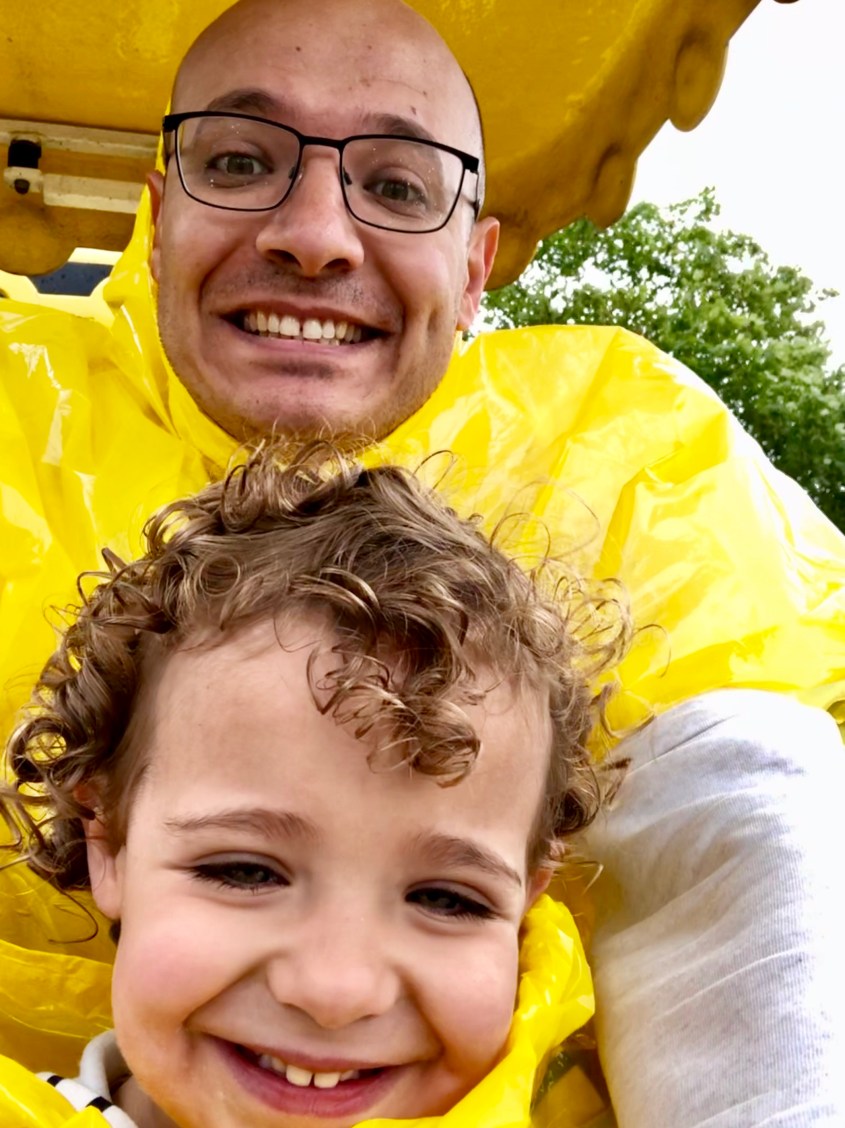
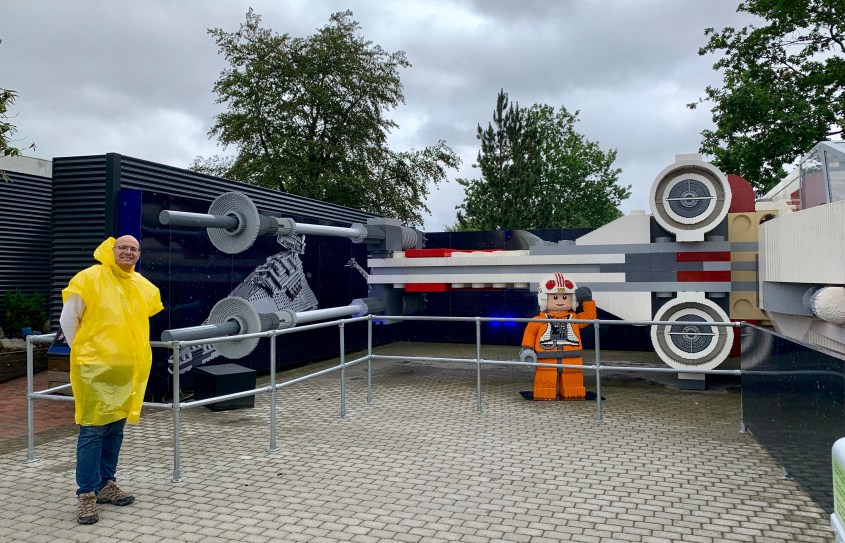
Admittedly, the yellow ponchos were pretty fun. I now feel bad for the multitude of people I’ve made fun of over the years at various theme parks. Desperate times call for desperate measures.
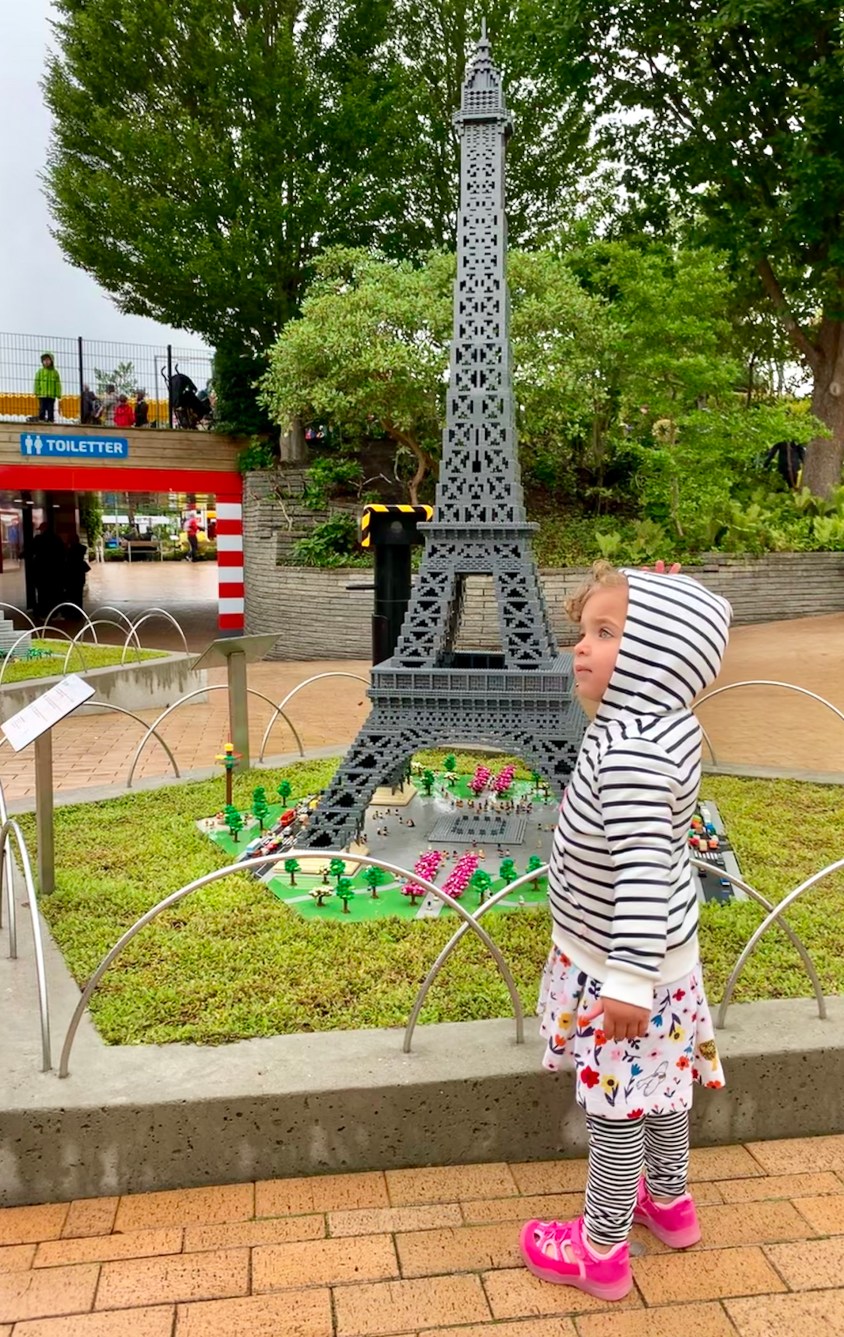
I’m pretty sure the LEGOLAND website can do a better job showcasing everything the park has to offer in much greater detail, so I’m just going to drop some photos and small details.
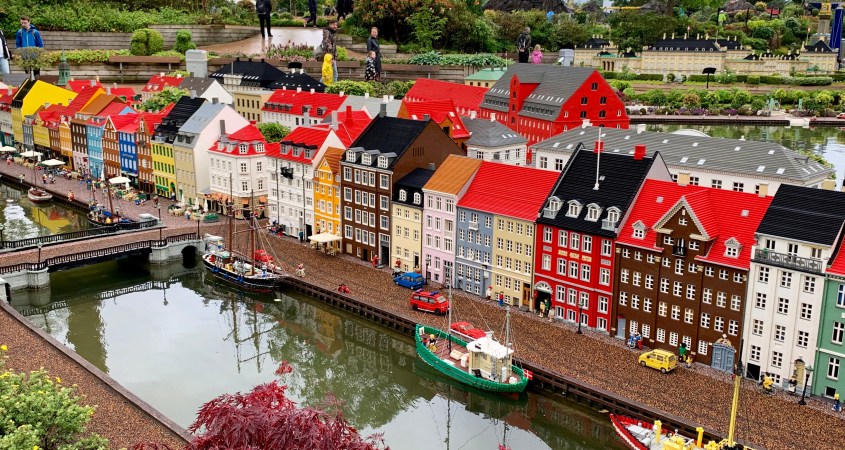
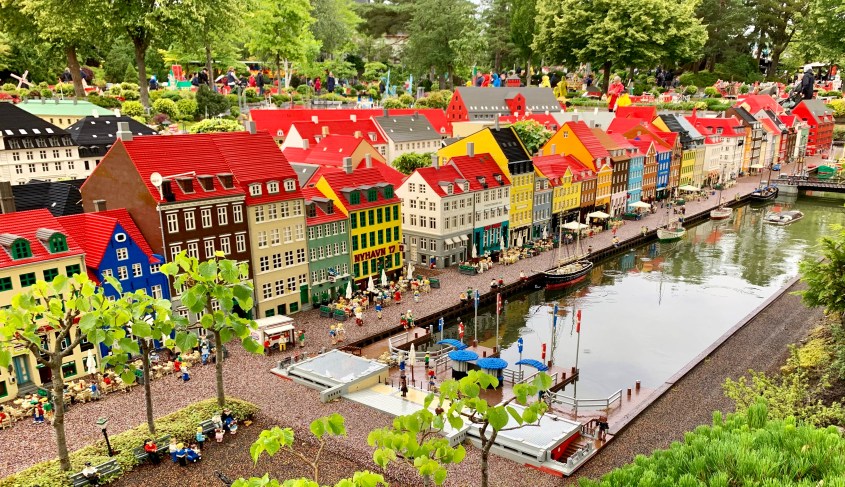
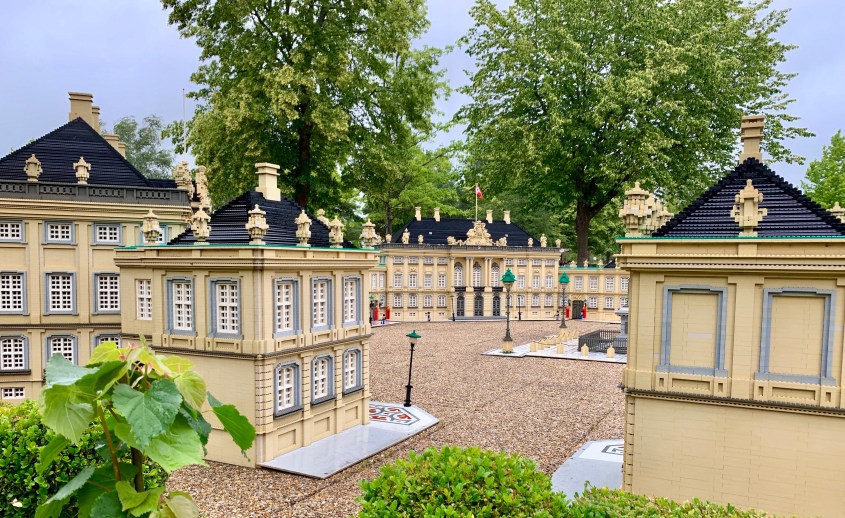
Nyhavn a la LEGONyhavn in real life
It was fun seeing the sites of Denmark built intricately in hundreds of thousands of LEGOs, particular scenes like Nyhavn which we’d visited just two days earlier.
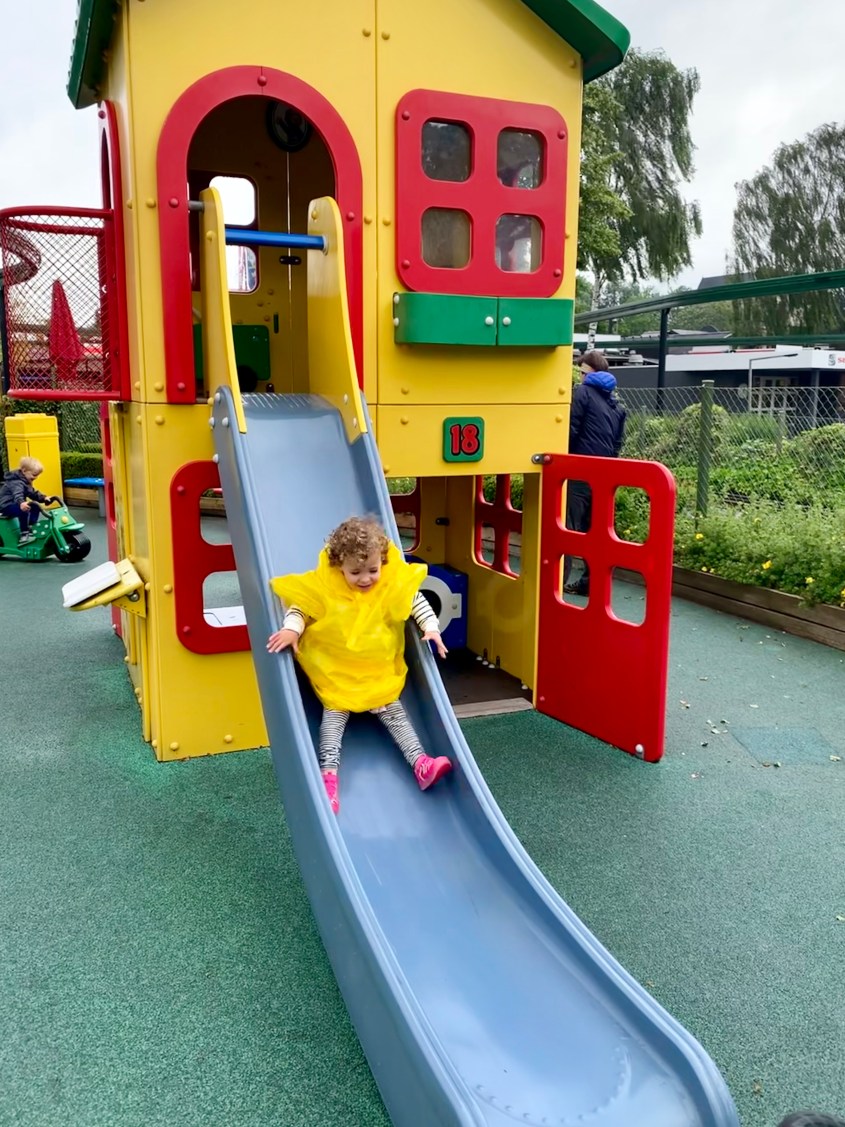
After riding on a Jungle Safari, we headed to Duplo land, a playground designed just for kids under six. With a hospital, an ambulance and 3 slides, it was everything this team wanted.
Someone didn’t feel like driving the ambulance
Next we headed to the carousel to ride a horse. The ride allows a parent to stand in the middle and chaperone a little one, which is nice at our age.
She went once with her MaMa then immediately wanted a turn with DaDa
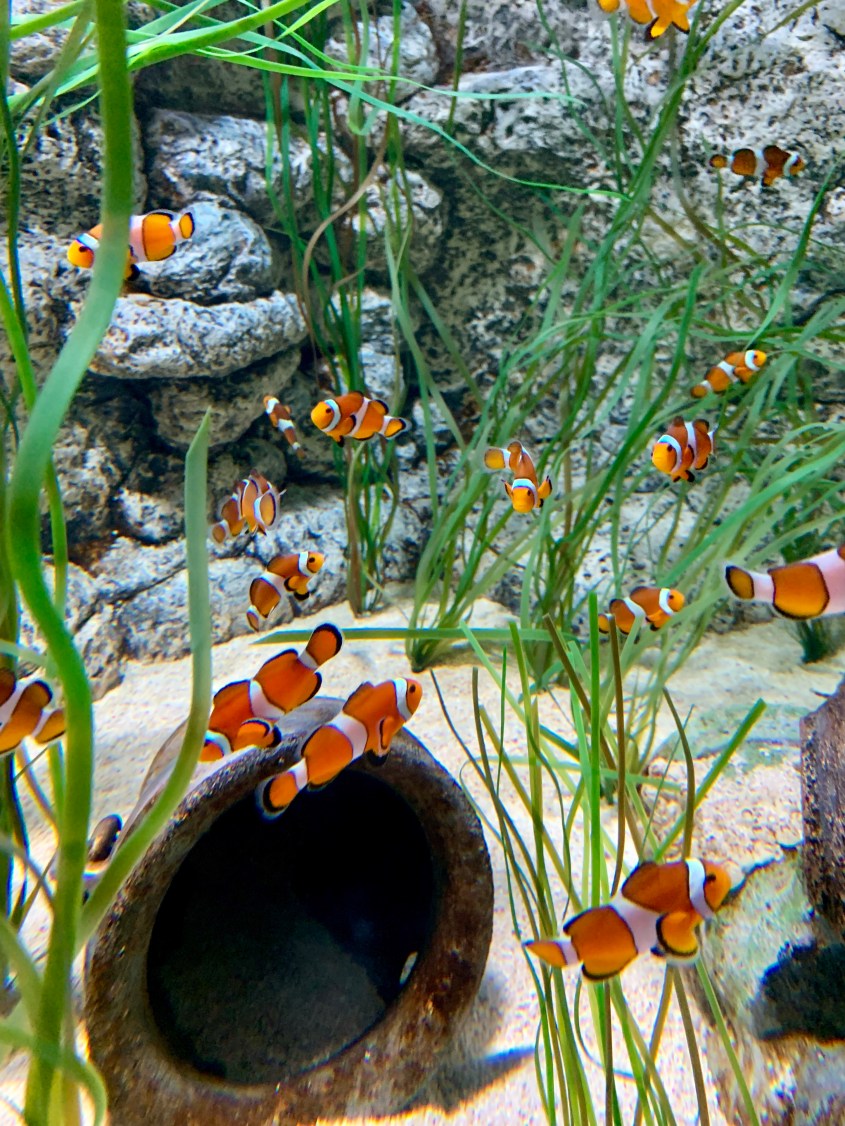
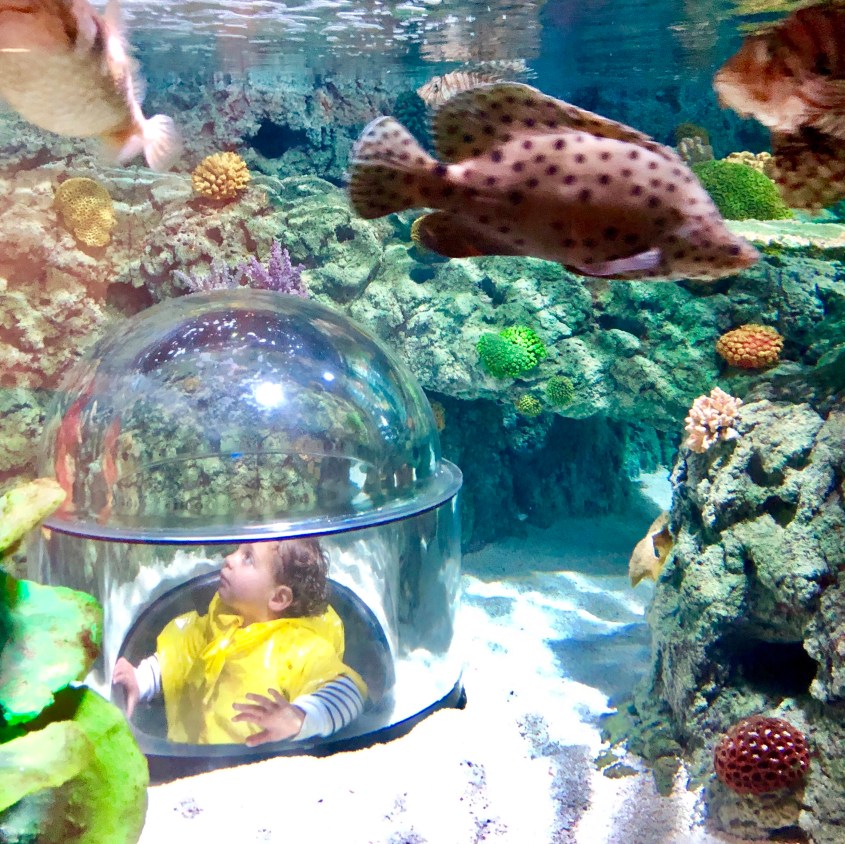
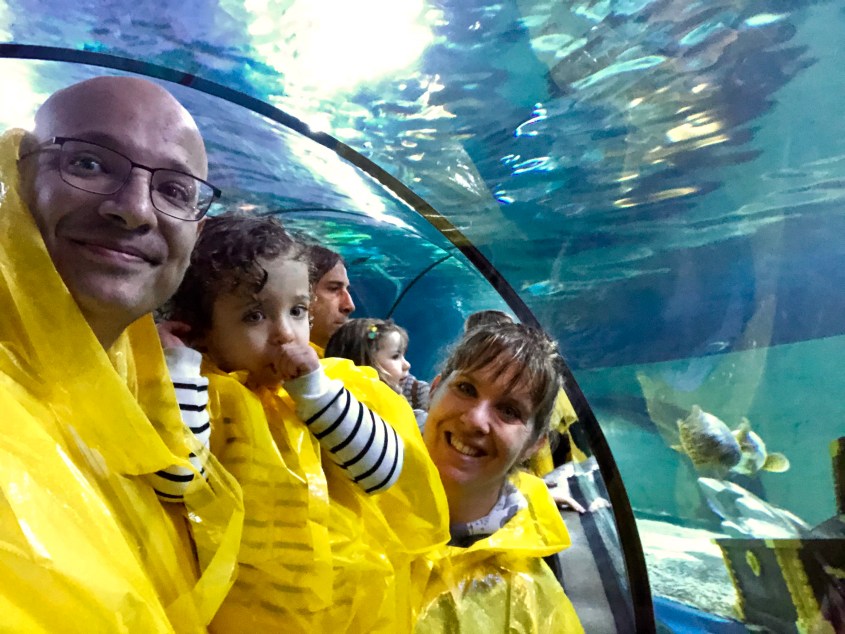
After the carousel, the rain had intensified, so we went in search of an indoor activity and landed at Atlantis, the aquarium. There’s a short film before entering the aquarium itself, but you are quickly greeted by sharks, clown fish, stingrays and various other colorful creatures.
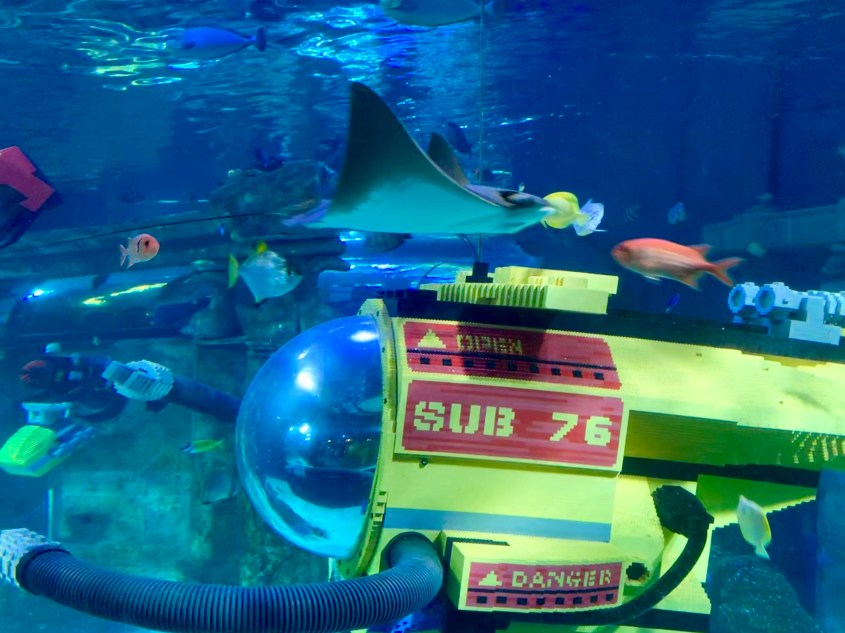
LEGO sculptures live under water with the sea life
A little damp, but everyone is still smilingLEGO submarine and a stingray
After the aquarium we met and hugged a beautiful princess and indulged in strawberry ice cream at the request of #1Toddler.
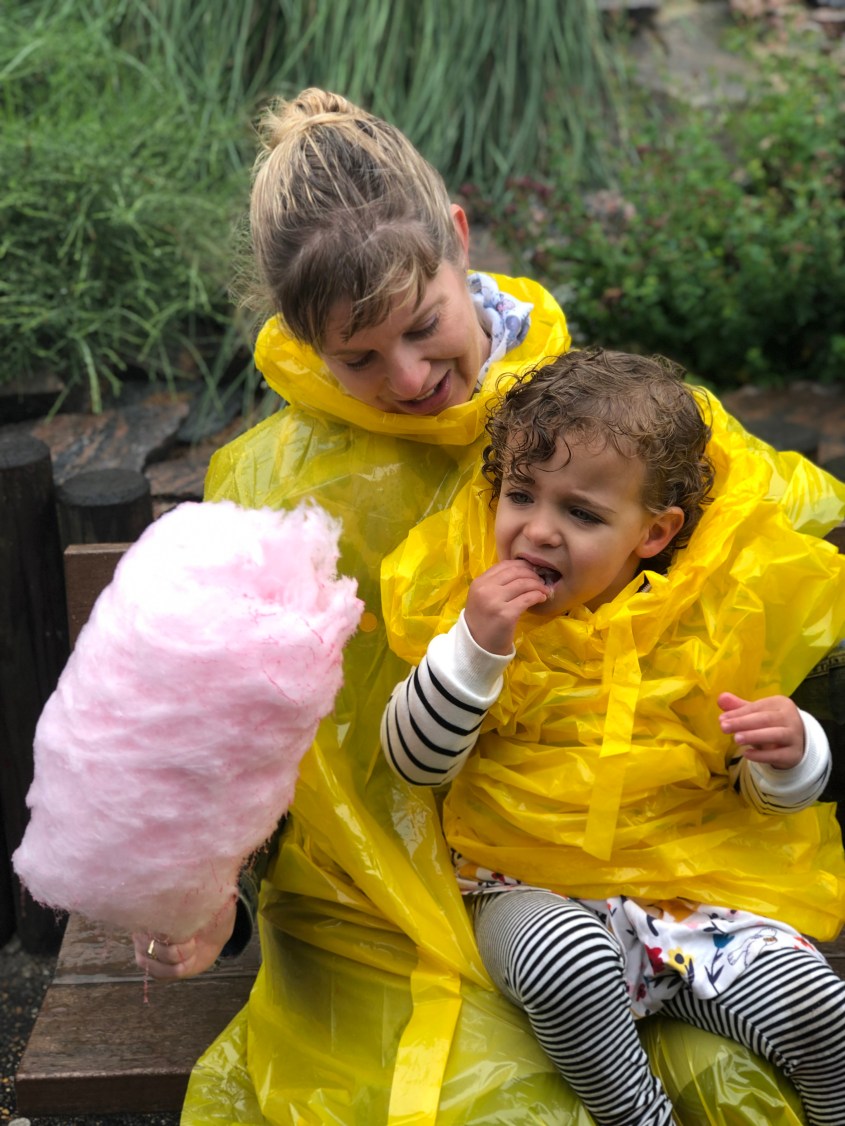
She also tried cotton candy or “candy floss” for the first time
We would have stayed a tad longer, but #1Toddler eventually passed out in the stroller.
No question what was Amir’s favorite
We took the bus-train-train route back to our hotel and exhausted, enjoyed a nice dinner in the warmth and convenience of our hotel restaurant.
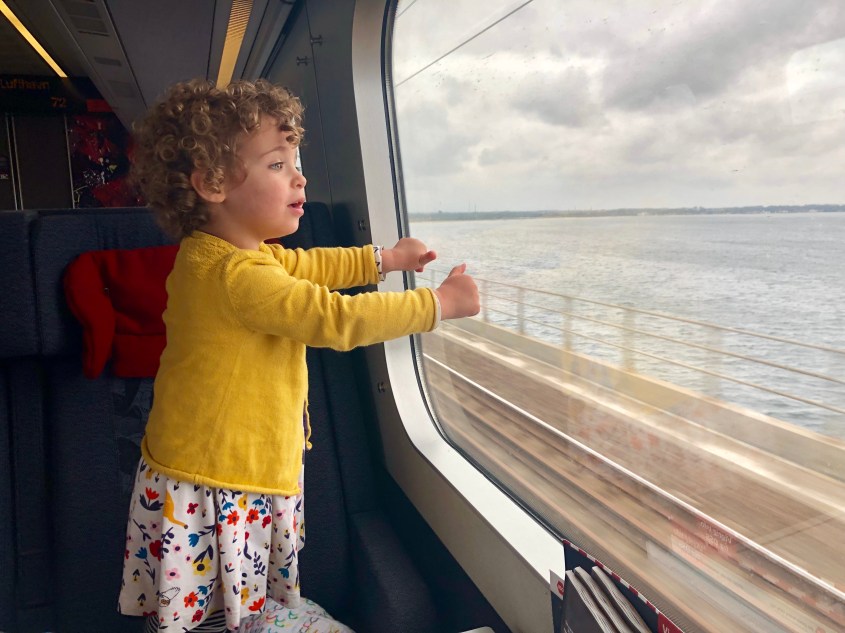
The train is always the scenic route
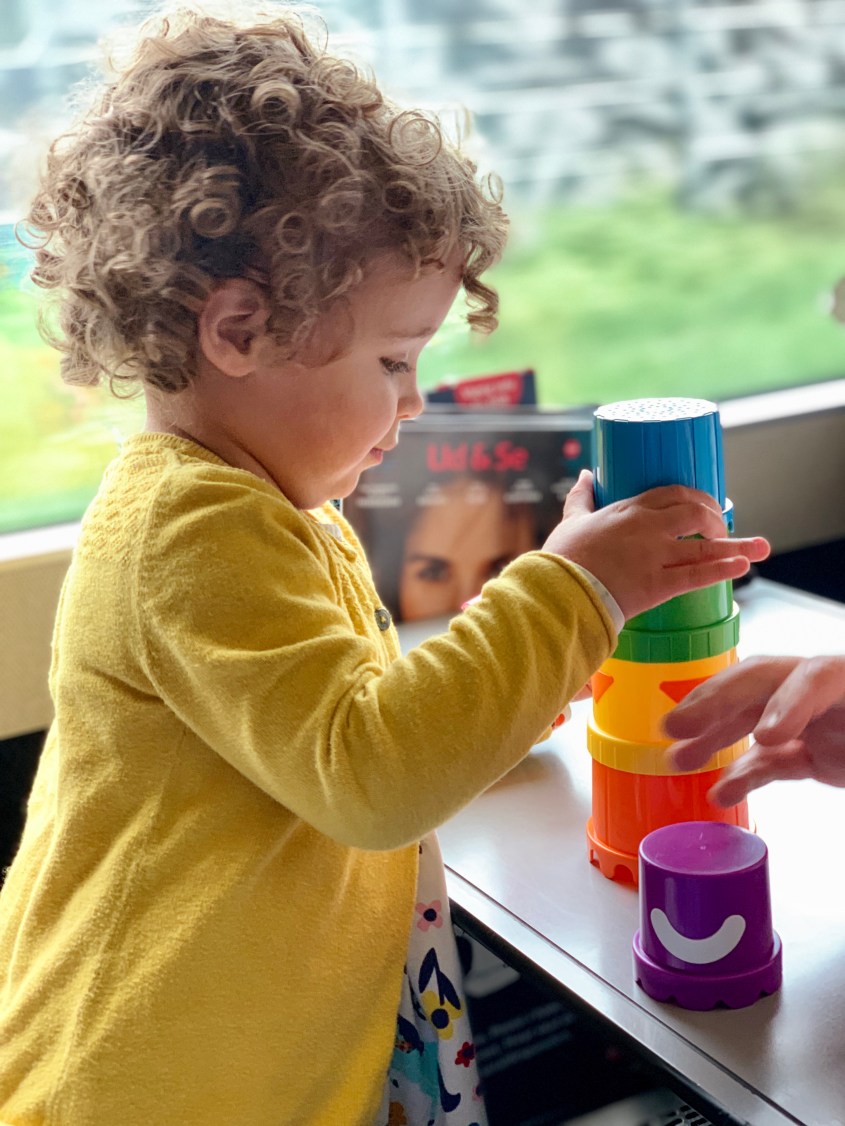
Buses run every 30 minutes These $3 IKEA stacking cups are a must have for out & about
Some photo odds & ends:
Cape Canaveral, FL
The Royal Palace, Copenhagen Everyone was tired by the end




















































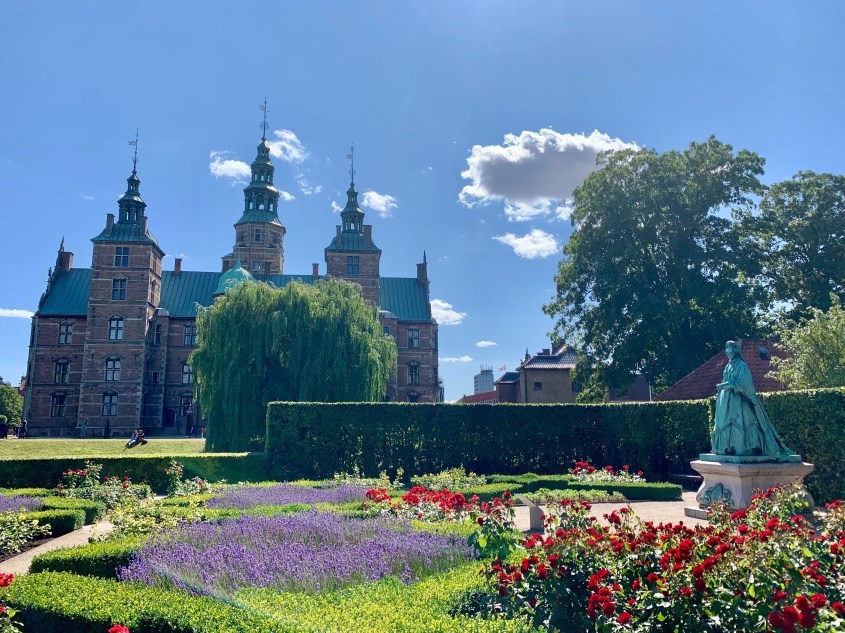

 There’s a moat around the castle as with most important structures here in Copenhagen, but this one features friendly fish and ducks.















 We took the bus-train-train route back to our hotel and exhausted, enjoyed a nice dinner in the warmth and convenience of our hotel restaurant.