
Sedona: Barlow Style – JPFreek Field Reporter

Time is an interesting thing. Sometimes it feels as if it’s flown by, other times the same memory can seem quite distant – or both. For me, I can’t not write about an experience 10 years ago that’s left a forever imprint on me. And for the record, this was an experience that occurred outside of my EMS or medical duties, when I was spending time with friends in my own home (so it’s not a HIPAA violation). I’m writing about it because I need to, and because I want other people to know that critical incident stress affects everyone.
I had been in EMS right about the worst length of time. Not long enough to have any experience with a gunshot wound, but long enough to know how bad – how ridiculous, how severe and rare this all was. When he told me “5 people were shot point blank in the head. I’m pretty sure they are all dead,” I knew. I had been in EMS long enough to know those people were dead. To know that what was going on in my home was larger than anything Virginia Beach had seen in a long time. There would be tons of cops and SWAT teams and helicopters. I knew the enormity of what was amassing around me. I wanted nothing more than to see a familiar face with more medical experience than me.

I’m deliberately posting the unedited documents I have from the event (my written account of events, transcript of my call to 911) so you can appreciate exactly where my mind was at the time things were going on. I had been an EMT only 5 months, and this was the first gunshot wound I had ever seen.
Account of the Events of the Morning of May 28, 2005
1:00 am – I get home from airport and meet friends out at Luna Sea on 22nd Street
2:00 am – We leave Baja Cantina when it closes
2:10 am – We reach my condo at 315 24th Street. There were four of us present, myself, Jackie Johnson, Kristin Horgardt (male, unsure of spelling) and a friend of a friend, Shane. I got out my keys to open the door for all of us. We were coming in the 24th Street (side with our parking lot) entrance. We noticed that the residents of 110 were awake and partying. It’s normal for them to have their windows and drapes open with only the screen. Their cat usually sits there. Like us, they seemed to have been out at bars and were having a few drinks at their place after everything closed. The music was not tremendously loud. I only noticed male voices. No one was arguing; all seemed to be normal.
2:15 am – Melissa Ozmar, a girlfriend of mine, showed up downstairs for me to buzz her in. She had been out with us earlier, but drove a friend home and then came back. We buzzed her in without issue.
2:25-2:40 am – Melissa and I were out on my balcony that overlooks 24th ½ Street and the 25th Street parking lot watching people get their cars towed. Kris and Shane were in the living room watching a movie on DVD. Melissa and I spoke to a few people from the balcony. The only suspicious people we encountered were two guys that were a part of a group of 8-10 black guys. One of the two men asked us if he could come up and charge his cell phone. We found that odd and dangerous and said no. The other guy broke away from the group (that has been walking west on 24 ½ Street) and headed east back towards us. At the point Shane had come on the balcony, and the guy asked Shane if he knew where he “could get laid.” I jokingly said 17th Street, and the guy continued in that direction, away from his group of friends.
Kris and Shane decide that they are going to walk to the 7-11 on 24th and Pacific to buy cigarettes for Kris and candy for Shane. I asked Shane to pick me up a Payday. I told them to hit the buzzer when they got back and I would let them in.
2:45-2:50 am – After a quick 5-10 min max trip to 7-11, Kris and Shane hit the buzzer on the 24th Street entrance and I let them in. They walked right past Apt. 110 and did not notice anything odd. They sat back down on the couch to finish watching their movie. Melissa and I never saw anyone enter or leave the building through the 24 ½ street entrance. At least one of us was on the porch the entire time. No more than 2-5 minutes later, Kris called to me to tell me someone was knocking on my door. I went to the door and asked who it was. A guy told me he was hurt and needed to call 911. I opened the door and saw a young white male (John from CA) with blood on his hands and face. I told him to come in and sit down, that I was an EMT, and asked Melissa to dial 911 (2:55 am). I grabbed some spare gloves that I had and some clean washcloths. Patient stated that he had been shot. I initially could not find the entry and exit wounds. Melissa was a bit nervous and was not answering the call-takers questions well, so I grabbed the phone and relayed information to 911. I noticed a large amount of blood on the back of the patient’s shirt, so we removed the shirt. I was then able to see an entry would located behind the left ear, closer to the lymph node. I then located an exit would in the hair line, just left of the patients spine. I applied direct pressure while trying to minimize any spinal movement. The angle of the bullet was such that the wound appeared to affect only muscle tissue and not the vertebrae or skull. Patient’s ear was also bleeding. After examination, the bullet had grazed his ear before entering the neck. I then applied a second wash cloth to apply direct pressure to the ear. Patient complained of inability to hear out of left ear. Patient denied ever losing consciousness, denied back pain, shortness of breath or any other injuries.
During the course of treating the patient, he told me a lot of information about the events of the evening and what he saw. He told me he had been in the bathroom and his friends were in the apartment. He said the shooter shot him in the head and ran out of the bathroom. He did not see which way the shooter ran beyond that. He gave a vague description which I relayed to the call-taker: black male, mid twenties, dreadlocks to just above the shoulders. He said he recognized him from earlier in the evening when they were all out. The shooter knew Rachel, brown hair, a girl in their party (one of the people shot in 110). He did not know if tonight was the first time Rachel and the shooter had met or not. There was no argument between them early in the night that he saw. He did say that the shooter seemed attracted/interested in her.
He said that when he came out of the bathroom, he saw his four friends motionless on the ground, they had all been shot in the head. He was pretty sure they were all dead. He said he ran up to the 3rd floor to look for help because he thought it would be safer than going outside and was farthest away from Unit 110. He also remembered that the gun was “squared off” at the end.
3:00-3:05 am – Police arrive and bang on my door. We open it, and they search my apartment for the shooter. A lead officer asked me if I had any medical training, and I let him know I was an EMT with Station 14. I gave him a status update on the patient’s condition, and the SWAT Medic arrived very soon after. The medic quickly assessed the patient and asked me to remove pressure so he could see the wounds. He then called for a c-collar from 1421 to be brought up to us. We applied gauze to the wounds and secured the patient’s neck with the collar. Scene was not safe, so backboarding was not an option. SWAT Medic walked the patient down the stairs and out to the ambulance.
3:10-3:15 am – Medic knocks on door again to verify that patient never lost consciousness. Medic stated that he was now having CNS issues. Medic also asked me not to dispose of any of the towels or gloves used to treat the patient.
I gave a verbal account to two detectives around 7 am and 12 am respectively. The second detective collected the patient’s blood-stained shirt, which had been lying on my kitchen counter. She interviewed Kris and me, and asked that I write an extremely detailed account of the events.
911 Transcript
 The following is a taped 911 call between Virginia Beach Communications Dispatcher Charles M. Simpson and caller Stephanie Krebs [Louka], which occurred 05/28/05, 02:56 hours reference DR# 2005-031807. Victim JKT can be heard in the background.
CS: Dispatcher Charles M. Simpson, SK: Stephanie Krebs, JK: JKT
CS: Virginia Beach 911, where’s the emergency?
SK: Hi, um, we are – Apparently there’s an individual that’s come upstairs –Hi, my name is Stephanie Krebs. I’m actually an EMT with Virginia Beach Volunteer Rescue Squad.
CS: Where are you at?
SK: Um, I’m at 315 24th Street
CS: And what is wrong there?
SK: Um, I live in apartment 320 on the 3rd floor. Can you get me a towel? Sorry, a guy just came in. He’s telling me that there were four people on the first floor. Um, the man that’s here that I’m treating right now – Now what happened to you? That man treating, that I’m treating right now is bleeding from the back of the neck. Do you know how – what the status of the people on the first floor is?
JT: (inaudible)
SK: He said that the people downstairs on the first floor were shot in the head.
CS: Do you know if anyone is alive or, what status is on anything?
SK: Um, did you, did you see the people downstairs? Was anyone alive or…
JT: (inaudible)
SK: People were shot in the head. They don’t seem to be moving. The guy up on the third floor here. He’s talking to me. He’s conscious, breathing, um, doesn’t seem to have neck or back pain. Um –
JT: (inaudible)
SK: He can’t hear out of his left ear.
JT: (inaudible)
SK: No, that’s okay. Did you know the people downstairs?
JT: Well, I just came in from California. They’re my friends from college.
CS: Do you, do you know anything about the status of them?
SK: Um, I, I don’t and obviously _________I’m not gonna go down there. Um, he said he thought they were all shot in the head, four individuals.
CS: Do you know anything about who did it?
SK: Do you know who did it at all?
JT: No.
SK: You just saw the people?
JT: One guy.
SK: It was one guy. Did you, did your friends know them or…
JT: No.
SK: No.
CS: Can you tell me what he looks like, where, where he went?
SK: He thinks it was someone they had met tonight. Was he black, white?
JT: Black.
SK: A black guy. Do you know how old?
JT: Maybe mid 20’s.
SK: Mid 20’s. Did he have any tattoos or piercings?
JT: Um, nothing ___________.
SK: Dreads or maybe dreadlocks to about shoulder length.
CS: Uh, ma’am, I can’t hear you.
SK: I’m sorry. Um, the shooter seems to have dreadlocks about shoulder length.
JT: (inaudible)
SK: Sure they’re coming right now.
JT: (inaudible)
CS: Okay. Anything else about his dress?
SK: What’s that – Do you know what he was wearing?
CS: He’s on the third floor with the caller I’m – Not the – I mean the victim. One of the victims is. The suspect I’m trying to get information on.
SK: Sure. Um, the one __
CS: Ma’am, where did the guy go? Can you tell me that, anything?
SK: Did he – Which direction did he run – Did he run out 24th ½?
JT: I don’t know. I was in the bathroom when ________________.
SK: ______________.
CS: So he don’t know where he went?
JT: __________shot me___________.
SK: Okay. Where did he shoot you? I think he grazed you. Hang on for a second. Melissa – Hey, buddy, I’m gonna have to cut your shirt off, all right.
CS: All right. Listen, the guy that’s with you, where is he hit at?
SK: Um, I’m – That’s – I’m gonna cut off his shirt right now ‘cause I think it’s – He’s not bleeding too severely. If you can take it off –
CS: Can you tell me from where?
SK: Yeah, I’m looking right now. It’s not visible. He says he got shot, but.
CS: In the torso area, head?
SK: No, no, no, no he has like a small ________ on his lower head.
CS: _____________.
SK: Actually, I see the entry wound, and he’s very lucky. He got grazed. He has an entry wound.
CS: Where?
SK: On his – It’s just below the patient’s left ear, and it’s probably entered and exited only through about one inch of skin.
CS: And you, and the guy has no idea where the guy did the shooting went?
SK: No, he – He was using the restroom.
CS: All right. Does he know why the guy did it?
SK: Where he did it?
CS: Why? Why did the guy shoot them?
SK: Um—Do you know—I know you said you thought you met them earlier in the evening.
JT: (inaudible)
SK: Uh huh.
JT: (inaudible)
SK: Do you know what it was about?
JT: No.
SK: Uh, apparently one of the women in the –
CS: I’m trying to get information.
SK: Okay. Apparently–________dispatcher—–
CS: Male subject shot just below the ear. He’s on the third floor.
SK: They’re coming in here.
CS: Let me know when police get there.
SK: Okay. Can someone go down to the, um – Well, actually never mind, don’t, don’t, don’t. Don’t go down.
JT: (inaudible)
SK: Okay. Can you – Is the door locked?
CS: _______________.
SK: You locked them, okay? Um, apparently, the, um –We’re not sure of the motive of the shooting, but the assailant was talking to a woman named Rachel earlier who is a brunette, long curly hair. Um, they had met earlier in the evening and didn’t know each other prior.
CS: And the shooting started, uh, while they were talking to her or do you know where Rachel is at?
SK: Uh, we think she might be one of the victims on the first floor. Are you sending, um, Station 14?
CS: Yes ma’am, we got. I don’t know what rescue unit. Just a moment, I’ll check.
SK: Okay. Sorry. I __________. I’m supposed to be on duty tonight. ________ my shift.
CS: Yeah, 14____ should be there.
SK: Okay.
CS: I imagine they’re all pretty much –
SK: They’re probably –
CS: –downstairs waiting for police to clear them.
SK: Sure. Sure. Um…Actually, there’s – Hey Melissa – Will you __________the cops out there. Yeah, let ‘em know it was 110.
CS: What is 110?
SK: 110 is the apartment number where we believe all the victims are.
CS: What about your apartment number?
SK: I’m in 320.
CS: On the third floor?
SK: Correct. And – Hey, Kris, can you make sure that deadbolt is locked on my front door. We got –Who is it? Lock the door. Okay.
CS: Now, I’m getting a little ____________.
SK: Who are you? 110.
CS: Who are you talking to?
SK: Police are here now.
CS: The officers are there.
SK: Okay, is it okay to hang up with you know?
CS: If you are with the officers, yeah.
SK: We are with officers.
CS: All right. Well, thank you for your help.
End of recording.
I’ve learned a lot from this experience, in no particular order of importance:
So how do I feel about everything now? It’s still hard to say. My thoughts are still all over the map.
I do know that I’m glad I opened the door that day. JKT ended up getting married and has since had children. That makes me smile. When I met with Bryant and Stolle, I learned just how close my friends and I came to being victims ourselves. That’s a thought I tuck way way back in my head and prefer to forget whenever possible. And most of all, I still want to know “Why?” Cliche I know, but I really am curious what motivates someone to do such a thing, or allows them to lose control and change the course of history for so many good families. I admit that on many occasions I’ve Googled Garrett, his prison, his status, his contact information. I worry about myself that I’d ever want to reach out to such a creature, even if to gain closure for myself. I’m not sure what I’m looking for, but I’m pretty sure I’ll never find it.
Lastly, I do want to thank John Carey and Norvel Allen for looking out for me after this happened. Since I wasn’t technically on duty for this event, I wasn’t included in the Critical Incident Stress Management debriefings that took place after the shooting. When I drive around Virginia Beach, I can point to a hotel where a woman overdosed on heroin at her best friend’s wedding; the roadway where 3 kids were driving too fast and paid the ultimate price. After 10 years in EMS, nearly every block has a story. I think everyone in public safety does that, 911 dispatchers included. But it’s different when it’s your home. You leave for work and still can’t help but look at the oddly cut out square of carpet that replaced the original bit that was soiled with an 18″ diameter and 2″ tall pool of clotted blood. You come home and retrace those same steps you took that night – passing by that window with celebratory voices, yet now so silent. You get an at least twice-a-day reminder of the horror and violence that entered your home that warm Friday night. It’s never normal, just slightly less obvious. On this 10 year anniversary I hope that the families of all involved find peace and warmth.
~Stephanie

Originally posted to Facebook August 12, 2010 @7:12PM:

Backstory: I was whining to my mom about how difficult it is to cook healthy, quick meals for one person. I can only eat so much broccoli in a week before it goes bad. If you’ve been to my mom’s kitchen, you know that she has a unique ability to whip up something amazing in a jiffy. I asked her to document her motherly wisdom.
What I Stock in My Kitchen
By Your Mother
REFRIGERATOR
Basics: Eggs, large sweet onion, garlic cloves, butter, milk, half and half, whipped cream cheese, sour cream, chicken stock base and all my bread (except what I freeze)
Condiments: Mayo, ketchup, yellow mustard, Dijon mustard, sweet relish, bottled lemon juice, capers, horseradish, sweet pickle relish, Major Gray’s chutney, and Worchester sauce
Deli Drawer: Bacon, hot dogs, American cheese, Swiss cheese, crumbled blue cheese or Saga blue wedge, cheddar cheese, fresh grated parmesan or parmesan reggiano wedge or assaggio wedge, sometimes feta cheese, and a ham steak slice
Vegetables: Baby carrots, small head iceberg lettuce, celery and one bag of specialty lettuce (spinach, arugula, field greens, baby lettuces, romaine, etc.) Two white potatoes and two sweet potatoes
FREEZER
Breads: Hot dog and hamburger rolls, raisin bread, small Lender Bagels (onion and plain), a loaf of Arnold’s hearty multigrain bread, Phyllo dough and English muffins
Meat/Fish: Individually wrapped boneless chicken breasts, pork chops hamburger patties, Canadian bacon, sausage, cooked and peeled shrimp and tilapia filets
Vegetables: (The kind in a bag, not “block”) Baby peas, chopped spinach, french green beans and strips of red and green peppers
Other: Homemade soups, stews, chili, taco spiced ground beef and spaghetti sauce. The only pre-made dinner products that I buy (and they’re excellent) are Stouffer’s Escalloped Chicken and Noodles and Stuffed Green Peppers with Tomato Sauce.
PANTRY
Canned Goods: Small cans of mushrooms, albacore tuna, white crab meat, minced clams, water chestnuts, corn, black beans and pimento. Diced tomatoes, spaghetti sauce, kidney beans and white cannellini beans. Soups: bisque of tomato, cream of mushroom, cream of chicken, cream of celery and cream of asparagus. Fruits: mandarin oranges,  grapefruit, and pear halves (not the kind packed in heavy syrup)
Dried Goods: Pasta, lentils, peas, panko crumbs, corn bread mix, Italian style breadcrumbs white rice, Top Ramen noodles, crackers (at a minimum saltines and Ritz or a flavored cracker) and peanut butter. Nuts: pecans, walnuts, cashews and peanuts. Fruit: cherries, cranberries and raisins. Cereal and cookies
Other: Soy sauce, sesame oil, peanut oil, extra virgin olive oil, balsamic vinegar, apple cider vinegar, rice vinegar, rice wine, dry sherry, cornstarch, baking soda, baking powder, flour, sugar, artificial sweetener and salt. Essential spices: basil, dill, tarragon, parsley, oregano, peppercorns (for a pepper mill) and freeze-dried chives.
Some Tips for Inexpensive, Quick Wonderful Food
1. Buy lots of small freezer bags and Glad plastic containers. Mark and date what you freeze for easy identification. Because you’re cooking for one, you’ll want to freeze the rest of that jar of spaghetti sauce or the extra diced tomatoes. My rule is 6 months for frozen, 5 days for refrigerated leftovers.
2. If you’re cooking, make enough for a second or third meal.  It doesn’t take any longer, other than to package and stick it in the freezer. Things like stews and chili are actually better the second time.
3. Pack meat and fish individually in freezer bags. For fish and seafood, be sure to ask if it was previously frozen. Don’t refreeze if it was frozen and thawed at the fish counter.
4. All the things I keep in the “deli drawer” will keep a long time. Bacon and the ham slice have been cured. Cheeses will keep too as long as you have them in a well-sealed baggies.
5. Obviously, you can’t buy everything on this list at once, but keep in mind that you are stocking your kitchen each time you go to the store. So pick up a couple of things on the list each time. You can start with one vinegar or oil, then add others later.
6. I haven’t included fresh fruits and vegetables. Buy what’s in season. They’re cheaper and better.
7. Use your toaster oven instead of the big oven when you’re eating alone.
8. That Sunday afternoon when you’re doing laundry and lounging around, make soup. It’s fun and wonderful eating. (Or you can come here and raid the freezer.)
9. Buy a rotisserie chicken. Eat it sliced the first time.  Then make chicken salad, chicken a la king, chicken sandwiches, or toss it with some pasta, those leftover mushrooms and Parmesan cheese.
10. Make salad dressings, don’t buy them. Mix oil to vinegar about 2 to 1. Taste it, add salt and pepper, maybe Dijon mustard. Remember that great dressing from Bodega? Use sherry instead of vinegar with your extra virgin olive oil. Maybe add some blue cheese crumbles. 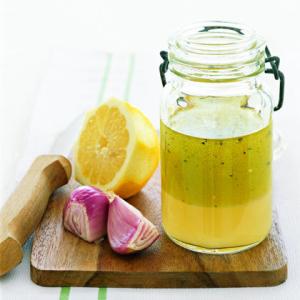 Or, if you like the creamy kind, start with a little mayonnaise, add a little sour cream and blue cheese. Too thick? Add a little milk. Or make a dressing starting with mayonnaise, add ketchup and lemon juice. This is the dressing you like on that shrimp salad (iceberg lettuce, shredded cheddar, chopped tomatoes, a little sweet onion). Add a little horseradish for an extra kick. If you want Thousand Island dressing, add sweet pickle relish to this.
11. When you don’t feel like cooking, eggs and/or cheese is your answer. Make a nice omelet. You have ham in your deli bin, there are lots of cheeses to choose from and onions or chives (in the spice rack) or maybe you want to use some of those leftover mushrooms.. Or, maybe you have a fresh ripe tomato that would go great with Swiss, Brie, or mozzarella. Take out some of that 12-grain bread from the freezer. Get one or two of those green or red pepper strips while you’re there for the omelet. Maybe whip up a little spinach salad with some pecans, dried cherries, a bit of apple and some blue cheese with the Bodega dressing. Add a glass of wine. Wow, what a great meal!
12. What else can you do with eggs? Egg salad or a BLT with egg sandwich, If you really want to get fancy, how about a cheese soufflé?
13. What else can you do with cheese? Well, of course, there’s American cheese for a grilled cheese sandwich (wonderful with your bisque of tomato soup and a few pickles). But you might try a mixture of cheeses for your grilled cheese. Or, take that plump ripe tomato (in season), put it on some toasted 12-grain bread from your freezer and top it with some Swiss cheese and put it in the toaster oven to melt the cheese, adding some Mayo before you close it. Wonderful. Or, get one of those bagels, toast it, cover with cream cheese and add a big tomato slice with salt and pepper. (Kristin taught me this.) Too good to describe. Or maybe just get some good crackers, some fresh pears, grapes or an apple, and a hunk of cheese and go at it. A nice glass of wine too. Who needs a hot meal?
14. Knowing how to make “white sauce” is essential. This is a basic of French cooking and there are three kinds of white sauce: thin, medium and thick.  There are 3 ingredients: butter, flour and milk. The basic recipe uses 1C of milk. For thin 1 T flour and butter. For medium: 2T flour and butter. For thick: 3 T flour and butter. Now, you want to add salt and pepper to taste. (You may remember the dinner you, Jackie, Kara and Kristin Dennis made for all the parents. You made a basic medium white sauce and added champagne. This was the sauce you poured over your chicken.) Or, you can add a little sherry, if you like that flavor (I do.) Quite honestly, I have never made a thin or thick white sauce. The medium is always right for my purposes. So now that you’ve made it, what do you do with it? Well, you could chop up some of that leftover rotisserie chicken and put it in that with a little pimento or leftover mushrooms, maybe some onion that you’ve sautéed. You could even add some of those baby peas from the freezer or a couple of chopped strips of red or green pepper (also in the freezer) and/or pimento….good too. Now you have chicken a la king, which you can serve over an English muffin (also in your freezer) or toast points. One of your dad’s favorite quick dishes is tuna fish (from the can) with just white sauce and salt and pepper on toast or English muffin. You can add chipped beef (get it from a deli) to the white sauce too, serving it over toast. When I make baked chicken potpie, I use white sauce with some tarragon (to taste…..add a little, then more until you like it).
15. So what else can you make when you don’t really feel like cooking? Well, you can stir up a “stir fry”.  Take those veggies that have been languishing in the fridge, maybe you bought some broccoli or fresh green beans or snow peas. Put a little pan of water on to boil and start a skillet (you don’t need a wok) with peanut oil. Chop up some carrots and onions. Sauté some shrimp from the freezer, leftover chicken or even hot dogs. Add the veggies to the stirfry (there are no rules here, just leftovers). Put the Top Ramen noodles in the boiling water until they are soft……maybe a minute?……drain, then throw them in the pan with the veggies and add a little soy sauce and sesame oil. Dinner, in 10 minutes, Chinese style.
Well, I could go on and on about the wonderful dishes you can make with these ingredients, but you will have fun discovering them, as you become an excellent cook. (One of the benefits of regularly eating “in” rather than “out”).
You may notice that I didn’t list much for desserts. Of course, my dad was a diabetic so we never had much in the way of desserts, but I always have fresh fruit and cookies on hand. Cookies are great because you can eat a couple and that seems to scratch that “sweet” itch. And of course, fresh fruits, in season, are like manna from the gods.
Much love,
Mom ❤

From the recipe box of Kaye Krebs:
 1 pkg Good Seasons Italian salad dressing mix.
I doubled this recipe and ran out. You can never make enough, it’s a Southern staple. Enjoy!
~Kaye

I think that on a whole, people who work in the ED (doctors, nurses, techs alike) really don’t know how much your average EMS provider is trying to do the best job with each call – recognize all concerning exam findings, make smart decisions on treatments, and communicate all of that in a useful way to the ED. Being on both sides, I’ve noticed quite a few ways EDs send mixed messages that can be confusing to even the most seasoned EMS provider.
1. Stroke – time is of the essence
Or is it? At every level in EMS, we’re taught that a stroke is a “load-n-go” patient, that speed of arrival to the ED, potentially to receive tPA, is what counts as there’s a 3-4.5 hour window for the therapy to be administered safely (although more evidence surfaces daily questioning this).
Still, the standard of care is rapid transport, yet how many times have you transported a stroke patient and waited 5, 10, even 30 minutes to get a bed and give turnover? Certainly obvious strokes get alerted and the patient assessed in the desired timeline. But what about those that fall in a gray zone? How does your ED handle these patients? What message does it send to your EMS providers to have them drive lights & sirens (inherently dangerous in itself), only to wait wait wait? Do you want them to start making decisions about patients with a positive Cincinnati Stroke Scale for say, slurred speech, but without hemiparesis? As both an EMS Provider and an ED Doc, I’d rather let the ED make that call.
2. Handwashing is the best prevention
Plenty of studies have proven this. We hear it every year in Blood Borne Pathogens training, and it’s posted all over the hospital. Yet, how many EMS workrooms at the ED have a sink in them, or even close by, to encourage convenient and frequent handwashing? This is a no-brainer. We’re not talking about adding free Red Bull or a Starbucks machine (I’m looking at you VCU), but something to keep everyone safer and healthier.
In all seriousness, VCU did do an awesome job with the EMS room (which does have a sink). Now if only I could get access to the Starbucks machine…
3. Removing patients from the backboard
I think this one is about to self-resolve with the trend to move away from spinal immobilization in the field. Flash back to 10 years ago when I was a new EMT-B. Somehow, somewhere in my mind, I got the impression that spinal immobilization was intended to immobilize not just the head and c-spine, but thoracic and lumbar as well. Time after time I would transport a patient fully immobilized, and before I had finished saying “23 year old fema…” someone would be unclicking straps and removing the backboard. This often left me wondering, why I had spent that extra time on scene carefully packing the patient, only to have my handiwork undone? More groans and moans from nurses, “they could have gone to triage if it weren’t for this backboard.” I was following my protocol, wasn’t I? Was I doing the right thing?
We care about cervical spine injuries more than thoracolumbar injuries because they can kill you. 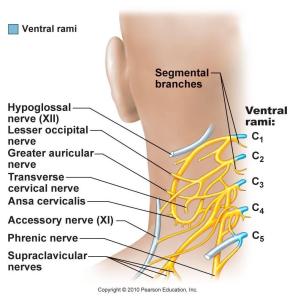 The nerves C3, C4 and C5 in your cervical spine compose the phrenic nerve, which innervates and controls your diaphragm, the main muscle of respiration. Damage or sever these, and you stop breathing. Easy way to remember: “C3,4,5 keeps the diaphragm alive!” In reality, the meat of immobilization is in the c-spine immobilization with a c-collar, and the backboard is more of a transport device to pick the patient up and safely transfer them to a stretcher and hospital bed. EMS protocols have lagged behind in philosophy and approach to spinal immobilization in blunt trauma, but with current chatter surrounding its efficacy, I think we’ll finally close the gap.
What mixed messages have you seen where you practice?
~Steph


 TeamLouka